
Flatbush Roof Repair & Replacement Specialists
Here’s something most Flatbush property owners don’t realize until it’s too late: the majority of roof failures in our neighborhood start at the details-chimney flashing, skylight edges, parapet walls, and gutters-long before the main roof surface actually wears out. I’ve walked dozens of “emergency” leak calls where the flat roof membrane or shingle field had years of life left, but $300 worth of failed flashing was sending water straight into second-floor bedrooms. Understanding where roofs actually fail, and why, can save you $8,000-$15,000 in unnecessary full roof replacement costs.
I’m Denise with Dennis Roofing. I’ve been climbing onto Flatbush roofs since I was the office kid in my father’s shop, and over twenty-two years I’ve learned that the smartest property owners don’t ask “Do I need a new roof?”-they ask “What’s actually failing, and what’s the most cost-effective fix that buys me predictable performance for the next decade?” That question changes everything, because the answer isn’t always a full roof replacement. Sometimes it’s targeted roof repair, strategic roof waterproofing, or a well-timed roof coating and maintenance plan. Sometimes it absolutely is a new roof, but installed on your timeline instead of a contractor’s pressure schedule.
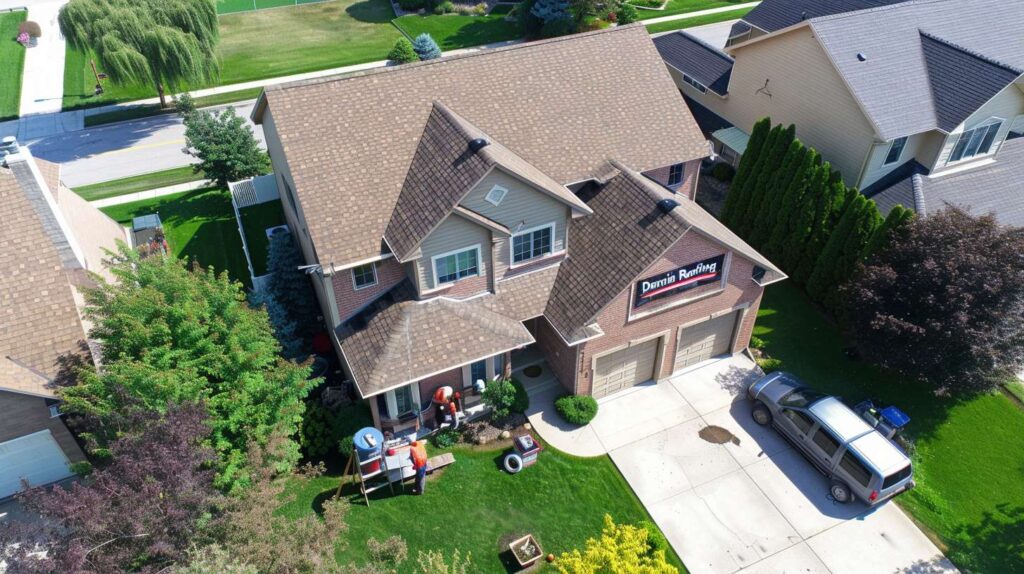
The Flatbush Roof Decision Framework: Repair, Replace, or Plan Ahead
Every roof conversation in Flatbush should start with a proper roof inspection-not a five-minute eyeball from the street, but a documented walk with photos of every vulnerable transition: where the flat roof meets the parapet, where the shingle roof wraps around dormers, where gutters tie into downspouts, and especially where chimneys penetrate the roof deck. Those are your leak highways.
When I inspect a roof, I’m categorizing problems into three buckets:
- Detail failures: Flashing, sealants, fasteners, and transitions that can be isolated and repaired without touching the main roof surface
- System fatigue: Widespread cracking, shrinkage, granule loss, or membrane brittleness that signals the roof is near end-of-life but not yet leaking everywhere
- Structural or substrate issues: Rot, ponding water, or failed decking that requires more than surface work
Most Flatbush roofs I see fall into the first or second category. A two-family off East 26th with a twenty-year-old asphalt shingle roof and one corner leak? That’s almost always a chimney flashing repair or a small section of lifted shingles from wind exposure along Flatbush Avenue’s open corridor. Cost: $420-$950. A Church Avenue storefront with a fifteen-year-old EPDM rubber roof showing surface cracks but no active leaks yet? That’s a candidate for roof coating and a five-year maintenance contract, not a $14,000 tear-off. Cost: $2,800-$4,200 for coating plus annual inspections.
The third category-rot, ponding, or repeated leaks across multiple areas-that’s when we talk roof replacement or strategic new roof installation with upgraded materials.
Leak Detection and Waterproofing: Where Flatbush Roofs Actually Fail
Let me walk you through the most common leak points I troubleshoot in this neighborhood, because recognizing them early turns $350 roof leak repair jobs into preventable maintenance instead of $18,000 emergency roof replacements.
Case Study: Flatbush Avenue Storefront-Parapet Flashing Failure
A retail tenant called about ceiling stains after every heavy rain. The twenty-two-year-old tar and gravel roof looked rough but wasn’t the problem. The issue was a twelve-foot section of parapet flashing that had pulled away from the brick, letting wind-driven rain run straight down the interior wall. We reflashed the parapet, sealed the reglet, and added a temporary roof coating over the worst gravel patches to buy another three years. Total cost: $1,850. The owner scheduled a full flat roof installation in TPO roofing for two years out, on her terms, instead of during an emergency in February.
Takeaway: Proper roof leak detection means isolating the entry point, not assuming the whole roof is shot. Most leaks enter through transitions, not through the main membrane or shingle field.
Here’s where I see the majority of leak issues in Flatbush:
| Leak Source | Common Locations | Typical Repair Cost | Prevention Strategy |
|---|---|---|---|
| Chimney Flashing | Any masonry chimney penetration | $520-$1,250 | Re-flashing every 12-15 years; annual sealant check |
| Skylight Edges | Flat or low-slope roofs with skylights | $380-$980 | Skylight repair or full skylight installation with curb upgrade |
| Gutter Overflow | Rear extensions, side streets with tree debris | $180-$650 (cleaning + minor repair) | Twice-yearly gutter cleaning; gutter repair or replacement of sagging sections |
| Parapet Walls | Flat roofs on commercial or older multi-families | $950-$2,800 per wall section | Counter-flashing inspection; re-pointing brick joints every 10 years |
| Penetration Boots | Vent pipes, exhaust fans on flat roofs | $220-$520 per boot | Replace boots during any roof coating or major repair |
| Edge Metal & Drip Edge | Perimeter of shingle and flat roofs | $6-$11 per linear foot | Check fasteners and sealant annually; full replacement during re-roofing |
When we perform roof leak detection, we’re looking for water trails, staining on the underside of the roof deck, and moisture readings around these vulnerable spots. On flat roofing systems-EPDM, TPO, modified bitumen, or old tar and gravel-we also check for ponding water, because anything that sits for more than 48 hours after rain accelerates membrane breakdown and creates leak risk.
Flat Roofing in Flatbush: EPDM, TPO, Modified Bitumen, and Tar & Gravel
Flatbush has thousands of flat roofs-over rear extensions, above storefronts along Church and Nostrand, and on the low-slope sections of mixed residential-commercial buildings. The material you choose for flat roof installation or replacement matters, because each system has different performance in our freeze-thaw cycles, summer heat, and the foot traffic that comes with HVAC units and occasional access.
EPDM Rubber Roofing: The most common rubber roof material in the neighborhood. It’s a single-ply membrane, typically black, with a 20-30 year lifespan if installed correctly and maintained. EPDM is affordable ($4.50-$7.00 per square foot installed for a basic tear-off and replacement), flexible in cold weather, and repairable. The downside? It absorbs heat, can shrink over time if seams aren’t detailed properly, and punctures more easily than reinforced membranes. I install a lot of EPDM on residential rear extensions and small garages where budget matters and there’s minimal foot traffic.
TPO Roofing: A white or light-gray thermoplastic membrane that reflects heat better than EPDM, which matters on a July roof deck in Brooklyn. TPO is heat-welded at the seams (stronger than glued or taped seams), resists punctures better, and typically runs $5.50-$8.50 per square foot installed. It’s my go-to for commercial roofing projects and any flat roof where energy efficiency or a longer warranty is a priority. Lifespan: 20-30 years with proper installation and minimal ponding.
Modified Bitumen Roofing: A multi-ply system with a rubberized asphalt surface, often installed with a torch-down or cold-adhesive method. It’s tougher underfoot than single-ply membranes, making it ideal for roofs with regular HVAC service or other access needs. Cost: $6.00-$9.50 per square foot. Lifespan: 15-25 years. I see a lot of older modified bitumen systems on Flatbush commercial buildings, and they’re excellent candidates for roof coating to extend life by another 5-8 years before full replacement.
Tar and Gravel Roofs: The old-school built-up roof (BUR) system-layers of asphalt and felt topped with gravel ballast. These roofs were everywhere in Flatbush decades ago, and many are still performing at 30+ years if the base layers are sound. The gravel protects the asphalt from UV and provides some impact resistance, but when a tar and gravel roof starts failing, it’s usually catastrophic-cracking, blistering, and widespread leaks. Replacement typically means a full tear-off down to the deck, which adds labor cost. I generally recommend converting to TPO or EPDM during replacement unless there’s a specific reason to rebuild in BUR (usually building code or historic preservation). Cost for tear-off and TPO replacement: $8,500-$14,000 for a typical Flatbush storefront or rear extension (800-1,200 square feet).
Case Study: East 32nd Street Two-Family-EPDM Over Rear Extension
The owner had a failing 28-year-old tar and gravel roof over her kitchen extension-constant leaks, cracked felt, and gravel washing into the gutters. We tore off down to the plywood deck, confirmed the substrate was dry and solid, installed half-inch polyiso insulation (code requirement and a smart energy move), and laid a 60-mil EPDM membrane with fully adhered seams and a 20-year manufacturer warranty. We also rebuilt the parapet flashing and added new gutter installation with larger downspouts to handle the increased runoff pitch. Total project cost: $6,800. No leaks in four years, and her heating bills dropped noticeably the first winter.
Shingle, Metal, and Specialty Roofing for Flatbush Homes
While flat roofing dominates the commercial and extension landscape, most Flatbush single- and two-family homes have pitched roofs-usually asphalt shingle roofing, with a growing number of metal roof installations on investment properties and homeowner upgrades.
Asphalt Shingle Roofs: The default choice for Flatbush residential steep-slope roofs. Three-tab shingles are the budget option (20-25 year lifespan, $3.50-$5.00 per square foot installed), but I always recommend architectural or dimensional shingles for the better wind resistance, aesthetics, and 25-35 year lifespan. Cost: $4.50-$7.50 per square foot installed, including tear-off, underlayment, drip edge, and ridge venting. On a typical 1,800-square-foot Flatbush two-family roof, that’s $8,100-$13,500 for a full roof replacement.
The most common shingle roof issues I see are wind-lifted tabs along the eaves and ridges (especially on corners facing Flatbush or Nostrand Avenues where wind funnels through), failed valley flashing where two roof planes meet, and-again-chimney flashing separation. Many of these are $400-$900 roof repair jobs, not full replacements, if caught early during a roof inspection.
Metal Roofing: Standing-seam metal roof systems are gaining traction in Flatbush, especially among landlords who want a 40-60 year roof and are willing to pay upfront for lower long-term maintenance. Cost: $9.00-$14.00 per square foot installed, depending on panel profile and finish. A metal roof is louder in rain (not a dealbreaker but worth mentioning), requires specialized flashing details, and needs an experienced installer-this isn’t a material for the lowest bidder. The payoff is decades of performance, near-zero maintenance, and excellent wind and fire resistance. I’ve installed metal roofing on several Flatbush Victorians and newer two-families where owners plan to hold the property long-term.
Roof Maintenance and Coatings: Whether you have a flat, shingle, or metal roof, a planned roof maintenance program is the single best way to maximize lifespan and avoid emergency spending. For flat roofs, this means annual inspections, clearing drains, re-sealing penetrations, and applying a reflective roof coating every 8-12 years to restore waterproofing and UV protection. For shingle roofs, it means cleaning debris, checking flashing, replacing lifted or damaged tabs, and ensuring attic ventilation is adequate to prevent heat buildup that accelerates aging.
A good elastomeric or acrylic roof coating on a flat roof costs $1.80-$3.20 per square foot and can extend the life of an aging EPDM, TPO, or modified bitumen roof by 5-10 years. That’s a $2,200-$4,000 investment that defers a $12,000 replacement-simple math.
Emergency Roof Repair, Storm Damage, and Insurance Claims
When a storm rolls through Flatbush-high winds, heavy rain, or the occasional nor’easter-roofs take a beating. I get a spike in emergency roof repair calls: lifted shingles, blown-off edge metal, punctures from tree limbs, and overwhelmed gutters causing water backup under the roofline.
Here’s my standard triage for storm damage repair and wind damage repair:
- Stop active leaks immediately. Tarping, temporary patching, or sealing open penetrations. Cost: $250-$850 depending on access and severity.
- Document everything with photos before any temporary repairs, during repairs, and after-this is critical for insurance claim roofing documentation.
- Perform a full inspection to separate storm damage from pre-existing wear. Insurance will cover sudden damage from a covered event (wind, hail, falling tree), but not deferred maintenance or general aging.
- Provide a detailed scope and estimate that breaks out storm-related work from recommended but non-urgent repairs, so you can navigate the insurance process clearly.
I’ve worked dozens of insurance claim roofing projects in Flatbush, and the key is documentation and honesty. If your roof was already 25 years old and barely hanging on, and a windstorm pushed it over the edge, the insurance company will likely cover the direct storm damage (replaced shingles, re-flashing, tarp service) but depreciate the payout based on age and condition. If the storm caused clear, sudden damage to a roof in decent shape, you have a much stronger claim for full roof replacement coverage.
Either way, get a contractor who will walk the roof with the adjuster, explain what failed and why, and provide a line-item estimate that matches the insurance scope. Don’t sign over your claim to a “storm chaser” who promises to cover your deductible-that’s often insurance fraud, and it leaves you holding the bag if the work is substandard or the claim gets denied.
Commercial Roofing: Storefronts, Small Buildings, and Multi-Family Properties
Commercial roofing in Flatbush covers everything from single-story retail on Church Avenue to mid-sized apartment buildings along Linden and beyond. The stakes are higher-more square footage, more leak risk, more tenants or revenue at risk-and the expectations are different. Commercial owners want predictable budgets, minimal disruption, and roofs that perform for 20+ years with low maintenance.
For commercial roof repair, speed and precision matter. A leaking roof over a pharmacy, restaurant, or retail space can shut down operations and damage inventory fast. We prioritize rapid roof leak detection, temporary waterproofing if needed, and a clear timeline for permanent repair or flat roof installation if replacement is the right call.
Most commercial flat roofs in Flatbush are EPDM, TPO, modified bitumen, or aging tar and gravel. When we spec a new roof for a commercial property, I recommend:
- TPO for energy efficiency and longevity-the white surface keeps the building cooler, and the heat-welded seams hold up under foot traffic and equipment vibration.
- Tapered insulation systems to eliminate ponding-flat roofs aren’t actually flat; they need 1/4-inch per foot slope to drain properly. Adding tapered insulation during re-roofing costs more upfront ($1.50-$2.80 per square foot additional) but eliminates standing water and extends roof life significantly.
- Roof access walkways and equipment pads-protect the membrane from repeated HVAC service traffic with designated walkway pads or pavers. Cost: $8-$18 per square foot for walkway areas, far cheaper than patching punctures every other year.
A typical Flatbush commercial roof replacement project-let’s say a 3,200-square-foot storefront with a full TPO tear-off, tapered insulation, new edge metal, and flashing-runs $28,000-$42,000 depending on access, existing conditions, and warranty level. It’s not cheap, but it’s a 25-30 year solution with minimal maintenance if installed correctly.
Gutters, Drainage, and the Details That Make or Break a Roof
I’ll end where I started: with the details. A perfect roof installation-whether it’s EPDM, TPO, asphalt shingles, or metal roofing-will still fail early if water can’t get off the roof and away from the building.
Gutter installation and gutter repair are not afterthoughts. Undersized gutters, clogged downspouts, and sagging sections cause water to back up under the roof edge, rot fascia boards, and leak into soffits and walls. On Flatbush’s tree-lined side streets, gutters clog with leaves every fall. On busy corridors, they fill with urban debris. Either way, twice-yearly gutter cleaning (spring and late fall) is non-negotiable if you want your roof to reach its expected lifespan.
When we replace a roof, we evaluate the entire drainage system: gutter size (5-inch or 6-inch), downspout capacity, and whether water is being directed away from the foundation or just dumped at grade to seep back toward the building. Upgrading to 6-inch gutters and adding extra downspouts costs $8-$14 per linear foot installed, but it’s some of the best money you’ll spend on long-term building protection.
Similarly, skylight installation and skylight repair require careful flashing integration with the roof system. A skylight is a hole in your roof, and if the curb, flashing, and sealant details aren’t done right, it’s a guaranteed leak point. I always recommend factory-curbed skylights with integrated flashing kits, installed during re-roofing so the new membrane or shingles tie in properly. Retrofit skylight repairs on older roofs are possible but trickier-we’re essentially reverse-engineering the flashing layers to match what’s there.
What Flatbush Property Owners Should Do Next
If you’re reading this because you have a leak, a roof that looks rough, or you’re just trying to plan ahead, here’s my recommended path:
- Schedule a roof inspection-not a sales pitch, but a documented walk with photos, measurements, and a written summary of what’s working, what’s failing, and what your options are. Cost: $150-$350 for a thorough inspection, often credited toward any work you hire us for.
- Get a diagnosis, not just a price. Ask where the problems are, why they’re happening, and what the cost-versus-benefit tradeoff is between repair, coating, and replacement.
- Think in timelines, not emergencies. If your roof has 3-5 years left, plan the replacement now on your terms, budget for it, and choose the right season (late spring or early fall) for installation. If you wait for the leak, you’ll pay emergency pricing and get rushed work.
- Invest in maintenance. A $300/year maintenance contract (annual inspection, minor repairs, gutter cleaning, and resealing) will extend any roof’s life and catch problems when they’re still cheap to fix.
Dennis Roofing has been solving Flatbush roof problems-roof repair, roof replacement, emergency leak response, and long-term roof maintenance-for over two decades. We work on flat roofs, shingle roofs, metal roofs, and every type of commercial roofing system in the neighborhood. We’re not the cheapest bid, but we’re the one that shows up with a plan, explains what’s actually happening on your roof, and builds systems that perform predictably for decades. If you want a conversation instead of a sales pitch, call us.