
Coney Island Roof Replacement & Repair Specialists
Roof replacement in Coney Island costs $8,500-$14,000 for most single-family homes and $12,000-$28,000+ for multi-family or mixed-use properties, depending on square footage, material choice, and how much underlying damage salt air and coastal storms have caused. Roof repair typically runs $450-$1,800 for single issues like flashing or a few missing shingles, but multiply fast when you’re chasing multiple leaks across an aging flat roof or dealing with wind damage after a nor’easter rolls through.
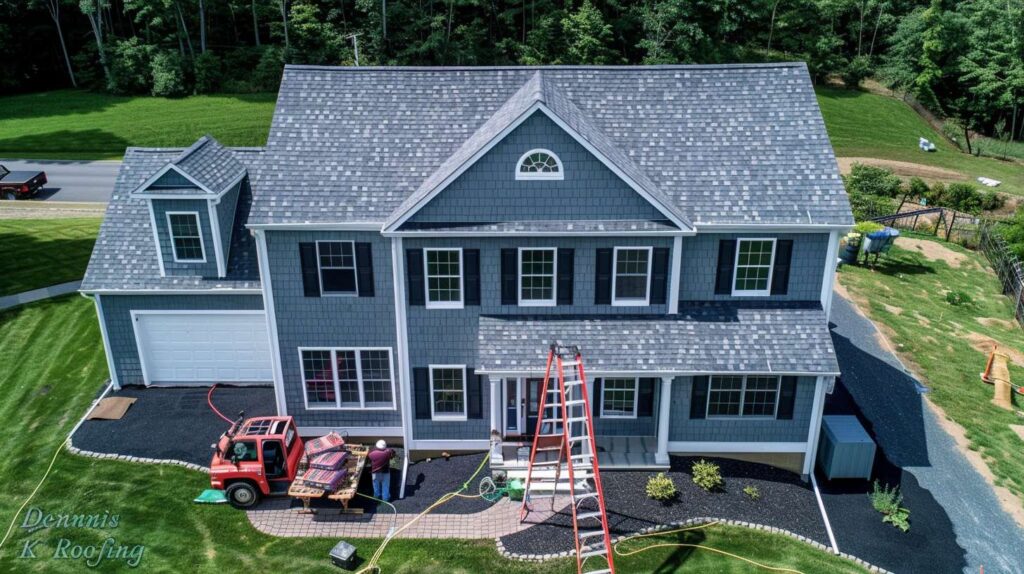
I’m Sean, and I’ve been fixing roofs along Coney Island’s coastline since I was fresh out of high school. My first season, a late-October storm ripped shingles off a two-family on Mermaid Avenue and left three inches of standing water on a flat roof over a bodega near the train. The shingle roof needed emergency tarping and a full replacement within the week. The flat roof? We patched the membrane seams that night, but the owner ignored our recommendation for a complete EPDM roofing upgrade-six months later, water was dripping onto cereal boxes and we were back to do the job right. That’s the pattern I see constantly here: small roof leak repair jobs that turn into expensive roof replacement projects because property owners wait too long, don’t understand what salt air does to roofing materials, or hire the cheapest crew who slaps on a patch without addressing the underlying problem.
Why Coney Island Roofs Fail Faster Than Most Brooklyn Neighborhoods
The Atlantic Ocean sits two blocks from thousands of homes and businesses. Salt-laden wind hits every surface, corroding metal flashing, degrading asphalt shingle granules, and accelerating UV damage on flat roofing membranes. Add high winds during coastal storms-sustained 40 mph with gusts over 60-and you get constant uplift pressure on shingles, pulling at nails, lifting seams on TPO roofing and EPDM systems, and turning small weaknesses into major roof leaks within one storm cycle.
I’ve inspected hundreds of roofs between Surf Avenue and Ocean Parkway. The ones that last fifteen to twenty years share three traits: proper roof waterproofing from day one, reinforced chimney flashing repair and edge details designed for wind, and annual roof maintenance that catches small problems before they cascade. The ones that fail in seven to ten years-or less-usually cut corners on underlayment, used the minimum flashing code allows, or skipped roof coating and sealing that protects the membrane from UV and salt degradation.
On a West 19th Street walk-up last spring, we opened up a failed asphalt shingle roof to find the underlayment had disintegrated. The shingles themselves looked okay from the street, but every time it rained, water ran straight through nail holes and soaked the plywood decking. That’s a $11,200 roof replacement that could have been a $1,400 roof repair four years earlier if the owner had called for a real roof inspection instead of assuming everything was fine because the shingles were still attached.
Roof Repair vs. Roof Replacement: The Honest Breakdown
Roof repair makes sense when damage is localized-a section of blown-off shingles after a storm, a punctured membrane around an HVAC unit, failed chimney flashing letting water into an attic, or a single skylight that’s separated from its curb. These jobs run $450-$2,200 depending on scope and accessibility, and they buy you years of service if the underlying roof system is still sound.
Roof replacement becomes necessary when the roofing material has reached the end of its design life, when leaks are scattered across multiple areas, when an roof inspection reveals widespread granule loss on shingle roofs or cracking and blistering across a flat roof membrane, or when decking and insulation have sustained water damage that repair can’t address. I’ll be straight: if your roof is over eighteen years old in this environment, and you’re calling for the third or fourth leak repair in two seasons, you’re spending money on patches that won’t hold. A new roof is the economical choice at that point.
The calculation changes slightly for commercial roofing. A flat roof over a retail space or small warehouse might justify a roof coating and strategic patching if the membrane still has 60-70 percent of its thickness intact, the seams are mostly solid, and you’re planning to sell or redevelop within five years. But if you’re holding the property long-term, and the roof is beyond mid-life, full flat roof installation with modern TPO roofing or a reinforced EPDM system saves you constant emergency roof repair calls and the business disruption that comes with tarps and buckets every time it rains hard.
What a Real Coastal Roof Inspection Should Include
A legitimate roof inspection in Coney Island takes 45-90 minutes depending on building size, not the fifteen-minute walk-around some crews offer. I’m looking at every penetration-chimneys, vents, skylights-checking flashing condition and sealant integrity. On shingle roofs, I’m inspecting for granule loss, checking the valleys where water concentrates, lifting a few shingles to assess underlayment condition, and documenting any lifted or creased tabs that indicate wind damage or improper nailing.
On flat roofs, the process is more involved. I’m walking the entire surface looking for ponding areas (standing water 48 hours after rain), checking seam integrity on membrane systems, testing for soft spots that indicate saturated insulation below, inspecting roof drains and scuppers for blockages, and examining all penetration boots and pitch pans. I take moisture readings with an infrared camera on larger commercial roofs to map wet insulation that isn’t visible from the surface-critical for insurance claim roofing documentation and for planning targeted repairs versus complete tear-off.
The inspection report should break down immediate issues (active leaks, missing shingles, failed flashing), medium-term concerns (aging membrane, early granule loss, minor ponding), and long-term planning (remaining service life estimate, budget for roof replacement). I include photos of every problem area with measurements and GPS-tagged locations so there’s no confusion when it’s time to execute repairs or file a storm damage claim with your insurer.
Choosing Roofing Materials That Survive on the Coast
For pitched residential roofs, architectural asphalt shingle roofing with a 130-mph wind rating is the baseline. I specify shingles with high granule adhesion and algae-resistant treatment-standard organic shingles turn black with algae growth within three years this close to the ocean. The upgrade to impact-resistant shingles ($1.20-$1.80 more per square foot) makes sense if you’re in an insurance claim roofing situation after hail or wind damage; many carriers offer premium discounts that recover the cost difference over seven to ten years.
Metal roofing-standing seam or metal shingle profiles-handles salt air better than asphalt if properly coated. A Kynar-finished steel or aluminum metal roof costs $14-$22 per square foot installed, roughly double asphalt, but lasts 40+ years with minimal roof maintenance. I’ve installed metal roofs on several Mermaid Avenue properties where owners were tired of replacing asphalt shingles every twelve years. The upfront cost is real, but the long-term economics work if you’re staying in the property.
For flat and low-slope roofs-the majority of commercial roofing and many multi-family buildings in Coney Island-you’re choosing between EPDM (rubber roof), TPO, modified bitumen, or traditional tar and gravel systems. Here’s what I see working:
| Flat Roof System | Cost Per Sq Ft Installed | Expected Lifespan (Coastal) | Best Application |
|---|---|---|---|
| EPDM roofing (rubber roof, 60-mil) | $6.50-$9.00 | 18-25 years | Residential flat roofs, small commercial buildings, proven durability |
| TPO roofing (60-mil, mechanically fastened) | $7.00-$10.50 | 15-22 years | Commercial roofing with high UV exposure, energy efficiency priority |
| Modified bitumen roofing (cap sheet, torch-down) | $6.00-$8.50 | 15-20 years | High-traffic flat roofs, areas needing puncture resistance |
| Tar and gravel roof (built-up roof) | $8.50-$12.00 | 20-30 years | Large commercial buildings, proven system on older structures |
EPDM is my default recommendation for most residential and small commercial applications-it’s forgiving during installation, seams are heat-welded or taped with reliable adhesives, and it handles temperature swings without cracking. TPO roofing has better reflectivity, which matters for commercial buildings with cooling loads, but seam failures are more common in high-wind environments if the installer doesn’t use proper technique. Modified bitumen gives you a tough, self-healing surface that resists foot traffic and impacts, ideal for roofs with HVAC equipment or frequent maintenance access.
Traditional tar and gravel roofs are still on many older buildings along Neptune Avenue and the side streets. They last if properly maintained-annual inspections, keeping drains clear, patching blisters and splits before they spread-but tear-off and disposal costs are higher than membrane systems because you’re removing multiple layers of built-up tar and hundreds of pounds of gravel per square. When one of these systems fails, I usually recommend switching to EPDM or TPO rather than rebuilding another tar and gravel assembly.
Storm Damage Repair and Wind Damage: What Insurance Actually Covers
After every major coastal storm, I get calls from property owners who’ve discovered missing shingles, lifted membrane seams, or water stains on ceilings. Insurance claim roofing is its own specialty. Most policies cover sudden storm damage-wind that lifts shingles, hail that cracks them, tree impact, or rain intrusion through storm-created openings-but exclude damage from long-term wear, poor maintenance, or pre-existing conditions.
The key is documentation. I take time-stamped photos of all damage before any emergency roof repair work beyond temporary tarping. I note wind speeds from the National Weather Service for that storm event, document pre-storm roof condition if prior inspection records exist, and separate clearly between storm damage (covered) and underlying age-related deterioration (typically not covered). This matters because adjusters will try to attribute everything to “wear and tear” if you don’t have clear evidence of storm-caused failure.
Wind damage repair often involves more than just replacing visible missing shingles. High winds create uplift that loosens nails, creases shingle tabs, and breaks the seal between layers even on shingles that stay attached. I’ve seen too many quick patch jobs where a crew nails down a few replacement shingles without addressing the fact that wind compromised the attachment of surrounding shingles-six months later, those start blowing off too. Proper wind damage restoration means inspecting and re-securing a zone around the obvious damage, not just spot-fixing what’s gone.
Emergency Roof Repair: What to Do When You Can’t Wait
Real emergency roof repair-the kind that happens at 9 PM during a storm or on a Sunday when water is actively pouring into your building-focuses on temporary stabilization. I carry tarps, roofing cement, plywood, and fasteners to stop water intrusion until permanent repairs can happen in daylight with proper materials.
If you’re dealing with an active leak and can’t reach a contractor immediately: get into the attic or top floor if safe, locate where water is entering, place buckets to contain dripping, and if you can safely access the exterior, cover the damaged area with a tarp weighted down with boards (never just draped loose-wind will rip it off in minutes). Don’t attempt roof repair in high wind or on wet surfaces; more homeowners get hurt trying to patch during a storm than from the leaks themselves.
For commercial property owners, an emergency roof repair plan should be in place before storm season. That means having a roofing contractor on call, keeping emergency tarps and fasteners on-site, knowing where your main shutoffs are for the top floor in case of major water intrusion, and having your insurance agent’s direct number and policy details easily accessible for after-hours claims.
Roof Leak Detection and Roof Leak Repair Reality
Finding the source of a roof leak is harder than most people expect, especially on flat roofs where water travels laterally between membrane and decking before appearing inside. I’ve traced leaks that showed up in a third-floor bedroom back to failed flashing on a dormer fifteen feet away, or ceiling stains in a retail space back to a roof drain 30 feet across the roof where water was backing up and seeping under the membrane edge.
Roof leak detection starts with the visible stain inside, then works backward and upward. On a sloped roof, water generally travels down the underside of sheathing along the path of least resistance, so the leak point on the roof surface is almost always upslope from the interior stain. On flat roofs, I flood-test suspected areas with a hose while someone watches from inside, or use infrared scanning to map moisture in the insulation layer that indicates the leak’s travel path.
Once located, roof leak repair depends on the system. For asphalt shingle roofs, it might mean replacing damaged shingles, re-sealing valleys, or rebuilding chimney flashing-$475-$1,400 for typical repairs. For flat roofing systems, small punctures or seam separations can be patched with membrane cement and reinforcing fabric if caught early ($350-$800), but leaks that have allowed prolonged water intrusion often require cutting out saturated insulation and replacing sections of membrane ($1,200-$3,500 depending on area and access).
Chimney Flashing Repair, Skylight Installation, and Penetration Details
Every penetration through a roof-chimneys, vent pipes, skylights, HVAC units-is a potential leak point. Chimney flashing repair is one of the most common calls I get in Coney Island’s older housing stock. The step flashing along the chimney sides or the counter flashing embedded in mortar joints fails from thermal cycling, masonry movement, or corroded metal. Proper repair means removing several courses of shingles, installing new step flashing pieces that weave with each shingle course, and installing counter flashing that’s mechanically fastened and sealed into repointed mortar joints, not just caulked over the old work.
Skylight installation requires careful integration with the surrounding roof system. I use curb-mounted skylights on flat or low-slope roofs, with the curb built to proper height (minimum 4 inches above finished roof surface) and the membrane or flashing running up and over the curb before the skylight frame attaches. On pitched roofs, I prefer flashing kits designed specifically for the skylight model rather than site-built flashing-the factory kits have better weather-testing and integrate more reliably with modern ice-and-water barrier underlayments.
Skylight repair usually involves resealing the glass-to-frame junction with proper glazing tape (not silicone caulk, which fails under UV), replacing worn gaskets, or rebuilding the flashing connection where it meets the surrounding shingles or membrane. If the skylight itself is more than twenty years old and showing condensation between glazing layers or frame corrosion, replacement is typically smarter than repair-modern skylights have far better energy performance and weather resistance.
Gutter Installation, Gutter Repair, and Why They Matter on Coastal Roofs
Gutters seem like an afterthought until you see what happens without them. Water sheets off roof edges, overshoots narrow properties, floods basement window wells, and saturates foundation perimeter soil. On multi-family buildings with zero side-yard setback-common throughout Coney Island-failed or missing gutters dump hundreds of gallons per storm directly against brick facades, accelerating mortar deterioration and water intrusion through walls.
Gutter installation for most residential properties runs $8-$14 per linear foot for 5-inch aluminum gutters with a baked enamel finish that resists salt corrosion. I oversize to 6-inch gutters on properties with large roof areas or limited downspout locations-better to handle peak flow during heavy rain than save $2 per foot and have water overflow the gutter at the worst possible time. Downspouts need to discharge at least 6 feet from the foundation, either to splash blocks, underground drains, or tied into storm sewers where code allows.
Gutter repair focuses on re-securing sagging sections (usually means adding hangers every 24 inches instead of every 36), sealing leaking seams and end caps with gutter sealant (not silicone), and replacing rusted or damaged sections. Copper gutters on older high-end properties near the boardwalk require specialized soldering for leak repair and matching patina finish on replacement sections-I subcontract that work to a sheet metal specialist rather than attempt field repairs that look obvious and fail within a year.
Roof Maintenance, Roof Coating, and Extending Service Life
Roof maintenance contracts make sense for commercial property owners and for homeowners who want to maximize roof lifespan without thinking about it. A basic annual inspection and maintenance plan ($350-$650 per visit for residential, $800-$2,200 for larger commercial buildings) includes clearing debris from roof surface and gutters, inspecting and resealing all penetrations and flashing, checking and cleaning roof drains, documenting condition with photos, and performing minor repairs included up to a set dollar limit.
Roof coating-typically an acrylic or silicone elastomeric coating applied over aged but structurally sound flat roofing-can add 5-10 years to a membrane system’s life. Application costs $2.50-$4.50 per square foot depending on coating type and surface prep required. The coating fills small cracks, creates a seamless waterproof layer, and reflects UV radiation that would otherwise degrade the membrane below. It’s not magic-it won’t fix saturated insulation, structural problems, or severely deteriorated membranes-but on a commercial flat roof that’s 12-15 years old with surface crazing but no active leaks, a quality roof coating system can defer a $40,000+ tear-off and roof replacement for another decade.
Roof sealing focuses on all the termination points, penetrations, and detail work where the primary roofing material meets something else. I use polyurethane or silicone sealants rated for constant UV exposure and temperature cycling from -40°F to 180°F. The cheap stuff from the hardware store dries out and cracks within two years in full coastal sun; quality sealants last 8-12 years if applied correctly to clean, dry surfaces.
Roof cleaning is controversial. High-pressure washing can damage shingles by blasting off protective granules, but soft washing with biodegradable solutions effectively removes algae, moss, and organic staining without harming the roofing material. On commercial flat roofs, I recommend clearing debris twice per year and after major storms-leaves and trash that accumulate in roof drains or around HVAC units block drainage and create ponding that accelerates membrane failure.
Residential vs. Commercial Roofing: Different Problems, Different Solutions
Residential roofing in Coney Island is mostly steep-slope asphalt shingle systems on single-family and small multi-family properties, with flat or low-slope EPDM on row-house and attached building rear extensions. The challenges are access-many properties have no side yard, requiring all materials to be carried through the building-and coordination with occupied units during roof installation. A typical single-family new roof takes two to four days from tear-off through final cleanup; a six-unit building might take a full week.
Commercial roofing involves larger flat roof areas, more complex drainage systems, penetrations for mechanical equipment, and the need to minimize business disruption. A roof replacement on a 10,000-square-foot retail building can’t shut down operations for a week, so we phase the work in sections, maintain weathertight conditions at the end of each day, and schedule noisy tear-off work around business hours when possible. Commercial roof repair often happens outside regular hours-I’ve patched leaking roof drains at 2 AM before inventory arrived, and sealed membrane seams on Sunday mornings before a restaurant’s Monday opening.
What Dennis Roofing Actually Does Differently
Here’s what you should expect from any legitimate roofing contractor working in Coney Island, and what we provide on every project:
Written estimates that break down material costs separately from labor, specify exact products by manufacturer and model, include warranty terms for both materials and workmanship, and outline payment schedule tied to project milestones. Verbal quotes and final numbers that inflate after work starts are red flags-walk away from any contractor who won’t commit details to writing.
Proper licensing and insurance documentation provided upfront. New York requires roofing contractors to carry general liability insurance and workers’ compensation coverage. You should see certificates before signing any contract, and verify them directly with the insurer. If someone gets hurt on your property and the contractor isn’t properly insured, you’re liable.
Job-site protection and cleanup standards that treat your property with respect. That means tarps under all work areas to catch debris, magnetic sweepers to pick up nails from driveways and yards, careful protection of landscaping and adjacent structures, and daily cleanup that leaves your property looking better than we found it.
Realistic scheduling and communication. Weather delays happen, especially on the coast. Material deliveries get pushed back. Unexpected structural issues appear once we tear off the old roof. We keep you informed when timelines shift, explain why, and adjust schedules rather than leaving you guessing when we’ll show up next.
The difference between a roof that lasts fifteen years and one that needs major roof repair after seven comes down to installation details most people never see: proper underlayment coverage and lapping, correct fastener type and spacing, careful flashing integration at every transition, sealant applied to clean surfaces in appropriate weather, and attention to manufacturer specifications rather than “the way we’ve always done it.”
That’s what you’re paying for when you hire a professional roofing contractor instead of the cheapest crew with a truck. Anyone can nail down shingles on a sunny day. Building a roof system that survives Coney Island’s coastal environment for its full design life-that takes knowledge, craftsmanship, and materials investment that isn’t optional if you want the roof to actually work.
If you’re dealing with roof leaks, planning a new roof, or just want an honest assessment of what your current roof needs, call Dennis Roofing at the number on your screen. We’ll schedule a thorough roof inspection, explain exactly what we find, and give you clear options for repair or replacement with real numbers and timelines. No pressure, no games-just straight information so you can make the right decision for your property and budget.