
Top Roofing Company for Carroll Gardens Properties
Most Carroll Gardens roof replacements cost between $8,500 and $28,000 depending on size, materials, and access, with flat roofs on brownstone extensions averaging $12-$18 per square foot installed and steep shingle roofs on brick rowhouses ranging from $9-$16 per square foot. Emergency roof repair runs $650-$1,800 for leak patches and flashing fixes, while planned roof repair projects-re-coating an EPDM flat roof, replacing sections of modified bitumen, or fixing chimney flashing-typically fall between $2,400 and $7,200.
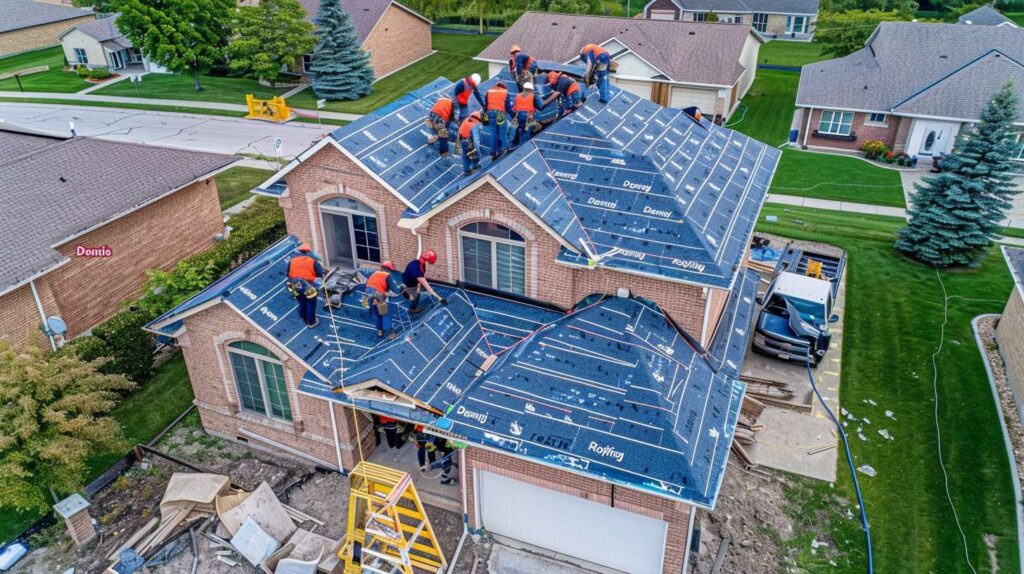
I’m Nina, and I’ve worked on Carroll Gardens roofs for fourteen years-enough time to watch dozens of brownstone owners pour six figures into beautiful kitchen extensions and rooftop decks, then treat the roof itself as an afterthought. The pattern is always the same: permits approved, contractor hired, deck framing and skylight rough-ins moving along perfectly. Then one October storm sends water down through the new skylight shaft, across the living room ceiling, and into that brand-new kitchen. The problem isn’t the skylight-it’s that no one properly addressed the existing flat roof, the perimeter flashing, or the transition between old tar and gravel and new EPDM before the deck went down.
That’s why choosing the right roofing company early-before you finalize renovation plans-matters just as much as choosing your architect or general contractor. Dennis Roofing works with homeowners and small building owners to solve that exact problem: integrating roof repair, roof replacement, and new roof installation into your larger project plan so water protection, structural integrity, and long-term maintenance make sense together, not as expensive surprises six months after move-in.
How to Know Whether You Need Roof Repair, Roof Replacement, or a Full New Roof
The decision framework I walk Carroll Gardens owners through starts with three questions: How old is your roof? What’s happening right now? And what are you planning in the next two to five years?
Roof repair makes sense when your roof is under twelve years old, you’re seeing isolated issues-small leaks around a chimney, a torn seam on a flat roof, missing shingles after wind damage-and you’re not planning major work. A Court Street mixed-use building had water staining in a second-floor apartment every heavy rain. Roof inspection found one failed termination bar where the flat roof met the brick parapet. We resealed the bar, reflashed eight feet of perimeter edge, applied roof coating over the patched area, and the leak stopped. Total cost: $1,950. That roof had another six years of service life; roof replacement would have been premature and unnecessary.
Roof replacement is the right call when your roof is fifteen-plus years old (ten-plus for asphalt shingle roofs in full sun), you’re seeing multiple leak points, the surface is cracking or curling, or a roof inspection reveals widespread deterioration under the top layer. On a Sackett Street brownstone, the owner wanted to repair a leak over the dining room. When we pulled back the EPDM on the rear extension, we found rotted insulation, gaps in the substrate, and three separate areas where water had pooled and soaked through. Patching wouldn’t solve it-the entire 900-square-foot flat roof needed to come off, the decking needed repair, new tapered insulation installed for proper drainage, and a full TPO roofing membrane laid down. Cost: $13,200. But now that extension has a twenty-year roof with a real warranty, proper slope, and no more leak risk.
New roof installation as part of a renovation happens when you’re adding a rear extension, raising a roof deck, installing new skylights, or converting a peaked roof to flat (or vice versa). This is where early coordination pays off. On a President Street project, the owners were adding a 500-square-foot extension with a roof deck and two Velux skylights. Instead of treating the new extension roof separately, we integrated it with the existing flat roof over the parlor-level extension, regraded the entire combined surface with tapered insulation, installed a single continuous modified bitumen roof across both sections, detailed all the skylight curbs and deck perimeter flashing as one system, and coordinated drain placement with the deck framing. The result: no seams between old and new, no transition vulnerabilities, and one roof maintenance plan going forward.
Flat Roofing Systems for Carroll Gardens Brownstones and Extensions
Flat roofs dominate Carroll Gardens because most brownstones have garden-level and parlor-level rear extensions, and many corner buildings and mixed-use properties have fully flat roofs over the top floor. The good news: modern flat roofing materials last twenty to thirty years when properly installed and maintained. The challenge: choosing the right membrane for your specific building, usage, and budget.
EPDM roofing-black rubber membrane-is the most common flat roof material I see on older brownstone extensions. It’s durable, relatively affordable ($11-$14 per square foot fully installed), and performs well in shade. EPDM handles foot traffic reasonably well if you’re walking out to check gutters or water rooftop planters, but it’s not ideal under a full roof deck with furniture and regular gatherings. The seams are glued or taped, which means careful installation matters. On a Carroll Street rear extension, we installed a 60-mil EPDM roof with fully adhered seams, integrated new chimney flashing repair around an existing brick chimney, and added a light stone ballast walkway to the back door. Fifteen years later, that roof is still solid because drainage was correct from day one and the owner schedules roof inspection and minor roof sealing every three years.
TPO roofing-white thermoplastic membrane-is my preference for new flat roof installation on extensions or small buildings where energy efficiency and longevity matter. TPO reflects heat (important on a sun-exposed roof over living space), the seams are heat-welded for superior waterproofing, and it costs only slightly more than EPDM ($13-$16 per square foot installed). A Smith Street mixed-use building replaced its twenty-three-year-old tar and gravel roof with TPO roofing, added code-compliant tapered insulation for drainage, relocated two roof drains to eliminate ponding, and upgraded all parapet flashing. The apartments below are noticeably cooler in summer, and the owner’s energy bills dropped about $140 per month-the roof paid for itself in efficiency gains over seven years.
Modified bitumen roofing-a tough, multi-layer system with a granulated cap sheet-is the best choice for flat roofs that support real roof decks, rooftop gardens, or heavy equipment. It’s thicker than EPDM or TPO, handles puncture and abrasion better, and the torch-applied or cold-applied installation creates extremely reliable waterproofing. Cost runs $14-$18 per square foot installed. On a Third Place brownstone with a 700-square-foot roof deck over the top-floor extension, we installed a two-ply modified bitumen roof with a smooth base sheet, a granulated cap sheet, and integrated aluminum flashing around the deck perimeter and stairs. That roof has handled fifteen Brooklyn winters, constant foot traffic, furniture, and planters without a single callback.
Tar and gravel roofs-built-up roofing with hot asphalt and gravel ballast-used to be the standard on older Brooklyn buildings, and many are still in service. They’re extremely durable (thirty-plus years if maintained), fireproof, and the gravel protects the membrane from UV damage. But installation requires hot tar kettles (not allowed in some historic districts), they’re heavy (requiring strong roof structure), and repairs are labor-intensive. I generally recommend tar and gravel roof replacement only on larger commercial roofing projects or when matching an existing system on a landmarked building. For most Carroll Gardens residential properties, TPO roofing or modified bitumen roofing offer better performance, lower maintenance, and easier roof repair.
| Flat Roofing Material | Cost per Sq Ft Installed | Expected Lifespan | Best Use in Carroll Gardens |
|---|---|---|---|
| EPDM (Rubber Roof) | $11-$14 | 20-25 years | Shaded extensions, low-traffic roofs |
| TPO Roofing | $13-$16 | 20-30 years | Sun-exposed roofs, energy efficiency priority |
| Modified Bitumen | $14-$18 | 25-30 years | Roof decks, high-traffic, rooftop gardens |
| Tar & Gravel | $16-$22 | 30+ years | Large commercial buildings, landmark match |
Shingle and Metal Roofs on Carroll Gardens Rowhouses
Not every Carroll Gardens building has a flat roof. Many brick rowhouses, corner homes, and single-family properties have peaked roofs-some original slate (often now replaced), others asphalt shingle, and a growing number metal. If you have a steep roof, your material choices and maintenance needs are completely different from flat roofing.
Asphalt shingle roofing is the most common replacement material on peaked Carroll Gardens roofs. Architectural shingles (not basic three-tab) offer good durability, come in dozens of colors to match brick and trim, and cost $8-$13 per square foot installed including removal of one old layer, new underlayment, ridge vents, and basic flashing. A shingle roof on a typical 1,400-square-foot rowhouse runs $11,000-$16,500 installed. Lifespan is eighteen to twenty-five years depending on sun exposure, ventilation, and whether you keep gutters clean and trim overhanging branches. On a Second Street home, we replaced a failing twenty-two-year-old shingle roof with CertainTeed Landmark architectural shingles in weathered wood, upgraded all pipe boot flashing, installed continuous ridge venting to reduce attic heat, and integrated new gutter installation with concealed hangers to match the home’s historic trim. That roof has performed flawlessly for eleven years.
Metal roofing-standing seam panels or metal shingles-is my recommendation when longevity, energy efficiency, and low maintenance outweigh upfront cost. A quality metal roof lasts forty to sixty years, reflects summer heat, sheds snow and ice naturally, and requires almost no maintenance beyond occasional roof cleaning and gutter clearing. Cost is higher: $15-$24 per square foot installed depending on material (steel, aluminum, copper) and profile. But when you factor in never replacing it again, eliminating moss and algae problems common on shingle roofs in tree-lined blocks, and the resale value boost, metal roofing makes financial sense on higher-end properties. A Hoyt Street brick rowhouse replaced its aging slate roof (too expensive to restore) with standing-seam aluminum in dark bronze. The homeowner loves that it looks historic, never needs painting, and ice dams-a problem with the old slate-disappeared because the metal sheds snow before it can melt and refreeze at the eaves.
Both shingle and metal roofs need proper chimney flashing repair and maintenance. Chimneys are the number-one leak source on peaked roofs because the flashing-metal pieces that seal where brick meets shingles-deteriorates faster than the roof itself. Step flashing along the chimney sides, counter-flashing embedded in the brick mortar, and a cricket (small peaked diverter) behind the chimney to shed water are all critical. I rebed and reseal chimney flashing on about 60% of the shingle roof replacements we do, even when the existing metal looks okay-it’s cheap insurance (adds $600-$950 to the project) and eliminates the most common failure point.
Roof Leak Repair and Roof Leak Detection
Roof leaks in Carroll Gardens rarely announce themselves directly above the problem. Water enters through a failed flashing seam on the third floor, travels along a rafter or inside a wall cavity, and appears as a stain on the second-floor ceiling ten feet away. That’s why roof leak detection-finding the actual entry point, not just the visible damage-is the first step in any roof repair.
When a homeowner calls about a leak, I start with questions: When did you first notice it? Does it happen during every rain, or only heavy storms or wind-driven rain? Is the stain growing, or has it stayed the same size for months? Those answers narrow the search. Then we go on the roof. I’m looking for obvious issues first-open seams, missing shingles, cracked flashing, punctures from fallen branches (common on tree-heavy blocks like Carroll and Sackett). But often the problem is subtle: a tiny crack in a skylight curb, a poorly sealed roof drain, a termination bar that’s pulled loose just a quarter-inch.
On a Union Street brownstone, the owner had a persistent leak in the front parlor ceiling every spring. Previous contractors had patched the flat roof over the extension twice, resealed the skylight, even replaced interior drywall-but the leak returned. When I inspected, I found the real culprit: the original built-in gutter between the main building cornice and the extension parapet was lined with old copper that had developed pinhole leaks. Rainwater filled the gutter, leaked through the pinholes, and ran down inside the wall cavity into the parlor. The “roof” itself was fine. We replaced the gutter lining with EPDM (a small rubber roof inside the gutter), added overflow scuppers, and the leak never came back. Cost: $3,100. Far less than another unsuccessful roof replacement.
Emergency roof repair-getting a tarp up after storm damage, temporarily sealing a sudden leak, or securing wind-damaged flashing-runs $650-$1,800 depending on timing and complexity. Dennis Roofing keeps emergency slots available because a small leak on Monday becomes major interior damage by Friday if ignored. We’ve tarped torn sections after nor’easters, sealed failed skylights at midnight during summer storms, and temporarily patched flat roofs when winter ice dams caused backup. The key is speed and a clear plan: emergency work stops the water, then we schedule proper roof repair or roof replacement once conditions allow and we’ve fully assessed the damage.
Skylight Installation, Skylight Repair, and Roof Waterproofing
Skylights transform dark Carroll Gardens parlor floors and rear extensions-but only if they’re properly integrated with roof waterproofing. I’ve repaired more leaking skylights than I can count, and the problem is almost never the skylight itself. It’s the curb (the wooden frame the skylight sits on), the flashing kit that seals curb to roof, or the way the roof membrane ties into the flashing.
Skylight installation on a flat roof requires a raised curb-minimum six inches, preferably eight to ten inches to keep the skylight above water and snow level. The curb is flashed with the same material as the roof (EPDM, TPO, or modified bitumen strips), then the skylight’s metal flashing integrates over that base layer. On a steep shingle roof, the skylight comes with a step-flashing kit that weaves into the shingles. Either way, proper installation means water can’t get under the skylight or curb, even during wind-driven rain or ice dam conditions. Cost for skylight installation runs $2,400-$4,200 per unit including the skylight, curb, flashing, interior shaft framing and drywall, and coordination with the roof membrane. Velux and Fakro are the brands I install most-reliable, good warranties, and replacement parts available.
Skylight repair usually means one of three things: replacing failed flashing (most common), resealing the skylight glazing or frame, or replacing a fogged or cracked glass panel. Flashing repair runs $800-$1,400 per skylight depending on access and whether we need to lift surrounding roof material. Full skylight replacement-when the frame or operating mechanism is shot-costs about the same as new installation because the labor is identical.
A Third Street brownstone had two skylights over the kitchen extension installed during a 2008 renovation. By 2019, both were leaking every moderate rain. The skylight glass and frames were perfect, but the original installer had set them on undersized curbs (only four inches tall) and used generic peel-and-stick flashing that had degraded. We rebuilt both curbs to nine inches, fully reflashed with TPO strips that tied into the main roof membrane, added cricket diverters behind each curb to shed water around them, and resealed the skylight-to-curb connection with high-grade polyurethane. Those skylights have been bone-dry through five years of heavy weather. Sometimes skylight repair is really roof waterproofing-addressing the entire system, not just the visible component.
Gutter Installation, Gutter Repair, and Roof Drainage
Gutters and downspouts are part of your roof system, and in Carroll Gardens-where many buildings have deep front gardens, rear yards, and brick facades-gutter problems cause serious water damage. Failed gutters dump hundreds of gallons per rainstorm directly against your foundation, into window wells, and onto basement doors. Over time, that water undermines foundation walls, floods basements, and causes brick spalling and mortar failure.
Gutter installation on a typical brownstone or rowhouse runs $1,800-$3,600 depending on linear footage, material, and whether we’re replacing hidden built-in gutters or installing new external gutters and downspouts. Aluminum gutters (pre-finished in colors to match trim) are standard-durable, affordable, and low-maintenance. Copper gutters cost about triple but last a lifetime and develop that beautiful green patina; I see them mostly on high-end restorations and landmark properties. Proper installation means gutters slope at least 1/4 inch per ten feet toward downspouts, hangers are spaced every sixteen inches maximum, and downspouts discharge at least six feet from the building (into drains, dry wells, or extended leaders to the curb).
Gutter repair-resealing leaking seams, replacing sagging sections, clearing and resecuring loose hangers-costs $400-$950 depending on scope. The most common issue I see is clogged gutters. Carroll Gardens trees (London planes, maples, ginkgos) drop leaves, seed pods, and small branches year-round. Gutters fill with debris, water overflows, and the weight of wet leaves pulls gutters away from fascia boards. I recommend gutter cleaning twice per year-late November after leaves drop and late May after seed pods and spring debris. Cost is $200-$350 per cleaning for a typical building. It’s the single most cost-effective roof maintenance task you can do.
On flat roofs, drainage happens through roof drains or scuppers (overflow openings in parapets). Clogged drains cause water to pond on the roof, which accelerates membrane deterioration and can cause leaks or even structural overload during heavy snow. Roof inspection includes checking and clearing all drains, and we often add secondary overflow scuppers during roof replacement to ensure water has an exit path even if primary drains clog.
Commercial Roofing and Mixed-Use Buildings
Carroll Gardens isn’t all brownstones-Court Street and Smith Street have dozens of mixed-use buildings with retail or restaurants on the ground floor and apartments above, plus small office buildings, churches, and schools. Commercial roofing and commercial roof repair follow the same technical principles as residential work, but the stakes are higher: a roof leak in a commercial building affects tenants, customers, inventory, and business operations.
Commercial flat roof installation emphasizes durability, code compliance, and minimal disruption. We typically use TPO roofing or modified bitumen roofing on commercial projects because both offer long warranties, proven performance, and straightforward roof maintenance. A Smith Street building with three apartments over a café replaced its failing EPDM roof with a fully adhered TPO system, upgraded roof drains and overflow scuppers, added code-required insulation for energy compliance, and coordinated the work over three weekends to avoid disrupting the café’s weekday business. Total cost: $32,400 for 2,200 square feet. The owner received a twenty-year material warranty, a ten-year workmanship warranty from Dennis Roofing, and immediate relief from ongoing commercial roof repair callouts.
Many commercial buildings also need roof coating and roof sealing as part of regular roof maintenance. Elastomeric or acrylic roof coatings extend the life of an aging but still-functional flat roof by five to eight years, sealing minor cracks and providing a reflective surface that reduces cooling costs. Cost runs $3-$6 per square foot for cleaning, minor repairs, and a full coating system. It’s a smart financial move when roof replacement isn’t in the budget but the roof is showing age.
Roof Maintenance, Roof Inspection, and Long-Term Care
Every roof-flat, shingle, or metal-needs regular maintenance to reach its expected lifespan. Carroll Gardens roofs face heavy tree debris, intense summer sun on south-facing exposures, winter freeze-thaw cycles, and occasional nor’easters with high winds and driving rain. A roof that receives annual inspection and minor maintenance will last 25-30 years. The same roof neglected might fail at fifteen years, requiring expensive emergency roof repair or premature roof replacement.
Roof inspection should happen annually, ideally in late fall before winter or early spring after winter stress. I check for loose or damaged flashing, open seams on flat roofs, cracked or missing shingles, clogged or damaged gutters and downspouts, signs of ponding water on flat roofs, deteriorated caulking around skylights and vents, moss or algae growth, and any signs of interior leaks or water staining. Cost is typically $275-$450 for a thorough inspection with photo documentation and a written report. Many homeowners skip this-then call when they have a leak. The inspection would have caught the problem early when a $600 roof repair would have solved it, instead of a $3,500 emergency fix.
Roof maintenance tasks include gutter cleaning (mentioned earlier), roof cleaning to remove debris and organic growth, minor roof sealing of small cracks or shrinkage gaps, resealing flashing seams and terminations, and trimming overhanging branches that drop debris or scrape the roof. An annual maintenance visit runs $400-$750 and catches small problems before they become leaks. On flat roofs with modified bitumen or EPDM, we sometimes apply localized roof coating over high-wear areas-around roof drains, along parapet edges, or where foot traffic is concentrated.
Storm Damage Repair, Wind Damage Repair, and Insurance Claims
Brooklyn weather is generally mild, but nor’easters and occasional severe thunderstorms cause real roof damage. Storm damage repair and wind damage repair become urgent after high-wind events-typically torn or lifted shingles on steep roofs, separated seams on flat roofs, damaged flashing around chimneys and parapets, and fallen tree branches that puncture or dent roofing materials.
When storm damage happens, document everything with photos before making temporary repairs. Most homeowners insurance policies cover sudden storm damage (but not wear-and-tear or deferred maintenance). Dennis Roofing works directly with insurance adjusters on insurance claim roofing projects-we provide detailed estimates, meet adjusters on-site, document pre-existing versus new damage, and explain what repairs are necessary versus optional. The goal is a fair claim settlement that covers proper roof repair or roof replacement, not quick patches that fail in two years.
A recent President Street project illustrates the process: high winds lifted and tore a section of modified bitumen roofing on a rear extension, exposing insulation and decking. We tarped the area immediately ($750 emergency service), then documented the damage with photos and measurements. The insurance adjuster initially approved only the damaged section-about 400 square feet. I explained that the rest of the roof was the same age and material, and cutting in a patch would create seam vulnerabilities and void the remaining roof warranty. The adjuster agreed to cover full roof replacement (1,100 square feet), the homeowner paid the deductible plus an upgrade to thicker membrane and additional insulation, and the result was a complete new roof that eliminated future leak risk.
Why Carroll Gardens Roofs Require Local Expertise
Carroll Gardens roofs aren’t generic. Brownstone architecture, narrow lot lines, rear gardens, mixed-use zoning, landmark district rules in parts of the neighborhood, and the specific combination of old buildings with modern extensions create unique roofing challenges. A contractor who works primarily in new construction or suburban homes won’t understand how to flash a skylight on a flat roof that ties into a 120-year-old brick parapet, or how to coordinate roof replacement on a building where the only access is through a tenant’s apartment and out a rear window onto a fire escape.
Dennis Roofing has spent years working in this neighborhood. We know which blocks have overhead wires that complicate material delivery, where parking permits are needed for staging, and how to work respectfully in dense residential blocks where neighbors are ten feet away. We understand landmark district requirements for roofing materials and colors, we coordinate with co-op boards and condo associations that require advance notice and insurance certificates, and we schedule around Carroll Gardens life-school drop-offs on Henry Street, weekend farmer’s markets on Carroll Street, summer restaurant sidewalk dining on Court and Smith.
More importantly, we understand Carroll Gardens roof systems. We know that most brownstone rear extensions have flat roofs over living space, which means leaks cause immediate interior damage and proper insulation and drainage are critical. We know that many corner buildings have complex roof layouts with multiple levels, parapets, and transition points where different roof planes meet. We know that roof decks are increasingly common and require heavy-duty roofing materials and careful flashing around deck posts, stairs, and perimeter railings. And we know that many buildings mix old and new-original steep roofs over front sections, flat roofs over rear extensions, with transitions, valleys, and flashing details that require experienced judgment, not cookie-cutter installation.
When you’re choosing a roofing company for roof repair, roof replacement, or new roof installation in Carroll Gardens, you need someone who’s solved these exact problems before-on your block, on buildings like yours, with materials and methods that work in Brooklyn weather and Brooklyn building conditions. That’s what we do, every project, every day. Reach out to Dennis Roofing when you’re ready to talk about your roof-whether that’s fixing a leak, planning a replacement, or making sure your renovation includes proper roof waterproofing from the start. We’ll walk you through options, show you what’s actually happening on your roof, and give you a clear plan that protects your building for decades.