
Reliable Roofing Contractors Serving Bushwick
If your Bushwick roof started leaking during the next heavy rain, would you trust the person you’d call to fix it? That’s the question Miguel from Dennis Roofing asks property owners to consider-not after water’s dripping onto your hardwood floors or inventory, but right now, while you still have options. Reliable roofing in Bushwick doesn’t mean the flashiest truck or the cheapest quote. It means showing up on time, diagnosing the actual problem instead of slapping another patch on someone else’s bad work, explaining your choices in plain language, and standing behind the repair or installation for years afterward.
I moved into full-time roofing after a decade doing carpentry and framing across Bushwick, spending years renovating old factories into live-work lofts and rehabbing century-old row houses. The lesson came fast: the coolest exposed brick and refinished floors don’t matter when the flat roof overhead keeps flooding the top-floor unit. Bushwick roofs-especially the flat roofs over converted warehouses, the aging shingle roofs on Victorian row houses, and the patchwork systems on mixed-use buildings-tell specific stories, and reading those stories correctly is what separates a Band-Aid fix from a solution that actually lasts.
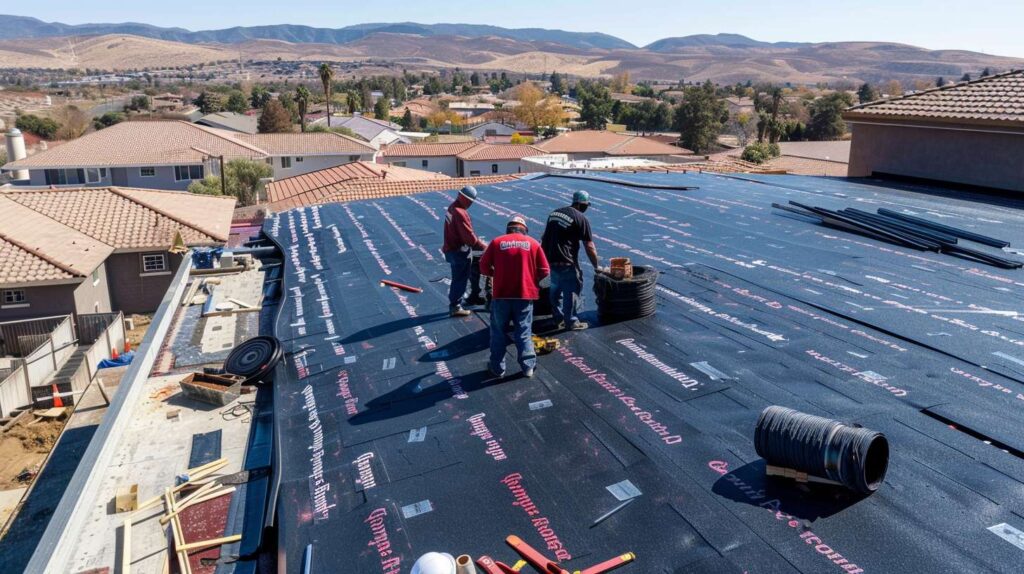
When You Need Roof Repair vs. Roof Replacement
On a Troutman Street loft last spring, the owner called about a “small leak” near the skylight. When we climbed up, we found three layers of roofing material-tar and gravel over modified bitumen over an original built-up roof from the 1960s-with water pooling in four places because decades of patching had created hills and valleys across what should’ve been a flat surface. The skylight leak? That was just where the water finally found a way inside. The real issue was a roof system held together by hope and roofing cement.
Here’s how to tell the difference: Roof repair makes sense when the underlying structure is sound, the roof membrane or shingles have 40% or more of their useful life remaining, and the damage is localized-a torn section of EPDM rubber roofing after a wind event, failed chimney flashing on a shingle roof, or a puncture in TPO roofing around an HVAC unit. Roof replacement becomes necessary when you’re patching the patches, when water damage has reached the decking or structural supports, when multiple leaks appear across different areas, or when the existing system is simply at the end of its designed lifespan.
The math is straightforward: If repair costs exceed 30-40% of replacement cost and your roof is already past 70% of its expected life, replacement is the smarter investment. A quality flat roof installation on a typical Bushwick row house (900-1,400 square feet) runs $8,500-$16,000 depending on the membrane you choose and the condition of the existing decking. Emergency roof repair for isolated damage? That’s usually $650-$1,800. But six emergency repairs over two years because you’re avoiding the inevitable? You’ve just spent replacement money without getting a new roof.
What a Real Roof Inspection Reveals
Most “roof inspections” in Bushwick consist of someone standing on the sidewalk with binoculars or spending five minutes on the roof looking for obvious holes. A proper roof inspection takes 45-90 minutes and includes documentation you can actually use-photos of problem areas, moisture readings if we suspect hidden water damage, measurements of remaining membrane thickness on flat roofs, and a written assessment that separates “fix this now,” “monitor this,” and “plan for this in 2-3 years.”
We’re looking for: ponding water that sits longer than 48 hours after rain (the kiss of death for any flat roofing system), blistering or cracking in asphalt shingle roofing, seam failures in TPO or EPDM roofing, rust spots and open fasteners on metal roofing, deteriorated flashing around chimneys and skylights, and whether your gutters are doing their job or dumping water where it causes problems. On row houses with shared parapet walls, we’re checking if your neighbor’s roof drainage is flooding your side-a common Bushwick scenario that leads to finger-pointing and ongoing leaks until someone traces the actual water path.
Dennis Roofing includes a roof inspection as part of every estimate, but we also offer stand-alone inspections ($225-$350) for buyers doing due diligence before closing on a Bushwick property, landlords preparing for refinancing, or homeowners who just want to know what they’re dealing with before the next winter. The inspection report gives you leverage with sellers, realistic budgeting numbers, and a maintenance roadmap.
Flat Roofing Systems: Choosing the Right Membrane
Bushwick’s building stock-those converted manufacturing buildings, the row houses with flat or low-slope roofs, and the newer mixed-use construction-means flat roofing dominates the neighborhood. The membrane you choose matters because each handles Bushwick conditions differently: temperature swings from 5°F winter nights to 95°F summer days with black rooftops hitting 160°F, rooftop deck traffic, and the reality that many Bushwick flat roofs don’t get looked at until there’s a problem.
| Membrane Type | Cost per Sq Ft Installed | Lifespan | Best For | Bushwick Reality Check |
|---|---|---|---|---|
| EPDM Roofing (rubber roof) | $5.50-$8.00 | 20-25 years | Owner-occupied row houses, budget-conscious projects | Black EPDM absorbs heat but is forgiving during installation in tight Bushwick backyards where crane access is impossible |
| TPO Roofing | $6.50-$9.50 | 15-20 years | Commercial buildings, buildings with high cooling costs | White TPO reflects heat, cutting AC costs, but seam welding requires skill-bad seams are the 1 TPO failure point |
| Modified Bitumen Roofing | $5.00-$7.50 | 15-20 years | Buildings needing occasional roof access, decks | Torch-down or cold-applied; tougher underfoot than single-ply membranes, good for Bushwick buildings where the roof is work/storage space |
| Tar and Gravel Roof (built-up roofing) | $6.00-$8.50 | 20-30 years | Large commercial flat roofs, historic buildings | Old-school system that’s heavy, requires structural capacity, but incredibly durable-many original Bushwick factory roofs were tar and gravel |
On a Knickerbocker Avenue mixed-use building last year, the landlord wanted the cheapest option for flat roof installation on 3,200 square feet. The existing tar and gravel system had failed after 28 years, and we recommended TPO roofing because the building had four residential units on top floors where summer cooling costs were eating the tenants alive. The white TPO membrane cost $2,400 more than EPDM upfront, but the owner reported that top-floor AC usage dropped noticeably the first summer. For a gut renovation on Bleecker Street where the owner planned a rooftop deck and outdoor kitchen, we installed modified bitumen roofing specifically because foot traffic and dropped tools won’t puncture it the way they would a single-ply membrane.
The bottom line: EPDM rubber roofing offers the best balance of cost and durability for most Bushwick residential projects. TPO roofing makes sense when energy efficiency matters or building codes require reflective roofing. Modified bitumen and tar and gravel systems are the right call when the roof gets used as a space, not just a protective shell.
Shingle, Metal, and Specialty Residential Roofing
Not every Bushwick roof is flat. The neighborhood’s row houses, Victorians along the side streets, and smaller single-family homes typically have pitched roofs where asphalt shingle roofing, metal roofing, or occasionally slate and tile come into play. The principles are different but the decision process is similar: repair when you can, replace when you must, and don’t cheap out on flashing and underlayment because that’s where most pitched roof failures start.
Asphalt shingle roofing dominates Brooklyn residential work because it’s affordable ($4.50-$7.00 per square foot installed), available in dozens of colors, and lasts 18-25 years with proper installation. For a typical Bushwick row house with 1,100-1,600 square feet of pitched roof, you’re looking at $6,200-$10,500 for a complete roof replacement using architectural shingles, including removal of one old layer, new underlayment, drip edge, and ridge venting. Wind damage from storms pushing up the Knickerbocker Avenue corridor can lift shingles that weren’t properly nailed (six nails per shingle in high-wind zones, not four), and we see a lot of storm damage repair work after nor’easters where the original installation cut corners.
Metal roofing-standing seam panels or metal shingles-costs more upfront ($9.00-$14.00 per square foot installed) but lasts 40-50 years, handles ice damming better than asphalt, and gives brownstone and row house renovations a distinctive look. We’ve installed metal roofs on several Jefferson Street properties where owners wanted a permanent solution and didn’t want to deal with roofing again in their lifetime. The catch: metal roof installation requires specialized skills, especially around complex flashing details, and a bad metal roof job will leak just as surely as a bad shingle job while being more expensive to fix.
Finding and Fixing Leaks: Detection, Repair, and Prevention
Roof leak detection in Bushwick’s older building stock is detective work. Water enters at one point, travels along rafters or through wall cavities, and appears somewhere completely different-often one floor below the actual entry point. On a Himrod Street row house, the owner saw water stains on the third-floor ceiling near the front wall and assumed the problem was the cornice or front gutter. The actual leak? Failed flashing on a rear skylight 35 feet away, with water running down the roof deck, following a rafter, and finally dripping at the front of the house.
The leak detection process starts with the visible clue-stain, drip, moisture-and works backward. We trace water paths, check for obvious failures like cracked flashing or torn membranes, use moisture meters to find hidden saturation, and sometimes run controlled water tests where we systematically soak suspected areas while someone monitors from inside. Roof leak repair costs depend entirely on what’s actually failing: resealing a skylight flashing might run $350-$650, replacing a section of flat roof membrane around a penetration costs $700-$1,200, and fixing a chimney that’s been leaking for years (requiring rebuilt flashing, possible masonry work, and repairs to damaged decking) can hit $2,400-$4,500.
Chimney flashing repair deserves special mention because Bushwick’s older homes have chimneys, and chimney flashing fails constantly. The flashing is the metal interface between masonry (which moves, cracks, and settles) and roofing (which expands and contracts with temperature). Step flashing, counter flashing, and cricket installation around chimneys require sheet metal skills most roofers don’t have. We see a lot of chimneys “sealed” with caulk or roofing cement-that’s not flashing, that’s a temporary plug that fails within months. Proper chimney flashing uses embedded counter flashing in repointed mortar joints, stepped base flashing under the shingles, and a cricket (a small peaked structure) on the uphill side of chimneys wider than 30 inches to divert water around the obstruction.
Skylight installation and skylight repair come up frequently in Bushwick gut renovations and loft conversions. Adding a skylight transforms a dark railroad apartment or industrial space, but it also adds a roof penetration that will leak if installed incorrectly. The skylight itself might be watertight, but the flashing kit and integration with the surrounding roof membrane is where problems happen. We charge $1,400-$2,800 for skylight installation including proper curb mounting and flashing, depending on size and roof type. Repairing a leaking skylight is usually $400-$900 if the skylight itself is fine and we’re just addressing failed flashing; replacement of a damaged or outdated skylight runs $1,100-$2,400 installed.
Gutters, Drainage, and Water Management
Your roof doesn’t end at the edge-it ends where water safely reaches the ground or storm drain without damaging your building. Bushwick row houses with shared walls, buildings with basement apartments, and converted warehouses all face drainage challenges, and failed gutters turn minor roof issues into foundation problems, flooded basements, and facade damage.
Gutter installation on a typical Bushwick row house (40-70 linear feet of gutter, 2-3 downspouts) costs $850-$1,600 for aluminum gutters or $1,400-$2,400 for copper gutters if you’re matching historic details. Gutter repair-resealing joints, replacing damaged sections, reattaching loose gutters, or adding gutter guards-runs $225-$650 depending on the scope. But here’s what matters more than the gutters themselves: where does the water go?
Downspouts dumping onto sidewalks, into narrow areawways between buildings, or against foundation walls create constant moisture problems. We extend downspouts to drain into the street or rear yard, install buried drain lines where appropriate, and make sure water flows away from the building. On flat roofs, we check that interior drains (common on commercial buildings) aren’t clogged and that scuppers (overflow openings through the parapet wall) are positioned correctly and actually function. A $400 drainage fix often solves a “roof leak” that wasn’t really a roof problem at all.
Maintenance, Coatings, and Extending Roof Life
Regular roof maintenance is the cheapest roofing investment you can make. Twice-yearly maintenance visits ($275-$450 per visit for residential properties, more for large commercial buildings) catch small problems before they become expensive emergencies: clearing debris from drains and gutters, resealing minor cracks, checking flashing, documenting changes, and addressing anything that’s developed since the last visit.
Roof coating and roof sealing extend the life of existing systems-particularly flat roofs and metal roofs-by 5-10 years when applied at the right time. Elastomeric coatings for flat roofs ($1.50-$3.00 per square foot) create a seamless waterproof layer over EPDM, modified bitumen, or aged built-up roofs, sealing minor cracks and providing UV protection. Silicone coatings for ponding water areas and acrylic coatings for sloped metal roofs serve similar functions. The key phrase is “at the right time”-coatings work on roofs with 60-85% of their life remaining but deteriorated enough to benefit from protection. Coating a roof that’s already failed is just expensive paint on a bad roof.
Roof waterproofing on Bushwick buildings often involves more than the roof itself. Parapet walls (those extensions of the building wall above the roofline) need proper coping, waterproof coatings, and flashing where the roof membrane meets the wall. Rooftop deck waterproofing under pavers or deck tiles requires drainage layers and membranes that handle foot traffic. Exposed roof areas around mechanical equipment need walkway pads to protect the membrane. Each of these details contributes to a waterproof system, and each fails independently if neglected.
Commercial Roofing and Larger Projects
Commercial roofing in Bushwick covers everything from small mixed-use buildings to large warehouse conversions to retail strips along Broadway and Flushing Avenue. The stakes are higher-business interruption, inventory protection, liability if the roof fails-and the systems are larger and more complex. Commercial roof repair often happens under time pressure because a leaking roof over retail space or office areas can’t wait for good weather.
We handle commercial flat roof installation using the same membrane systems as residential work but with more robust specifications: thicker EPDM (60-mil instead of 45-mil), fully adhered TPO instead of mechanically attached, and built-up redundancy in critical areas. Commercial buildings also require coordination with ongoing business operations, often working nights or weekends to minimize disruption, and proper documentation for building management companies, condo boards, and commercial property insurance.
For commercial clients, we offer roof management programs that include scheduled inspections, priority response for leaks, detailed record-keeping with photo documentation over time, and planned capital improvement budgeting so roof replacement doesn’t come as a financial surprise. A $3,500 annual roof management contract for a 8,000-square-foot commercial building typically saves $8,000-$15,000 in prevented damage and extended roof life over a five-year period.
Emergency Roof Repair and Storm Damage
When a storm rips off shingles, a tree branch punctures your flat roof, or you discover water pouring in at 11 PM, you need emergency roof repair-not an estimate appointment next Tuesday. Dennis Roofing provides emergency response for active leaks and storm damage, typically arriving within 2-6 hours for true emergencies in Bushwick and surrounding Brooklyn neighborhoods.
Emergency repair focuses on stopping active water intrusion: tarping damaged areas, temporary patching of torn membranes, sealing broken skylights, containing water inside the building. The goal is damage control, not permanent repair. Emergency service calls run $400-$900 for off-hours response and temporary fixes, with permanent repairs scheduled once we can work in daylight and assess the full damage.
Storm damage repair and wind damage repair after hurricanes, nor’easters, and severe summer storms involve documentation for insurance claim roofing. We photograph damage from multiple angles, document pre-existing conditions versus new damage, provide detailed estimates that separate wind damage from wear-and-tear, and work directly with insurance adjusters to get claims approved. The reality: insurance companies initially deny or lowball about 60% of roof claims. Detailed documentation and contractor advocacy usually result in proper coverage.
Most homeowner policies cover sudden storm damage but not gradual deterioration. If wind lifts your shingles during a documented storm event, that’s covered. If your 25-year-old roof finally started leaking because it’s worn out, that’s maintenance. The gray area-and where documentation matters-is when storm damage accelerates existing problems. A roof at 80% of its life that gets hit by a storm and needs replacement might be covered; the same roof that just aged into failure is not. Having inspection records showing the roof’s condition before the storm strengthens your claim significantly.
Choosing a Bushwick Roofing Contractor
The lowest bid is rarely the best value in roofing. A $4,800 quote and a $7,200 quote for the same roof replacement might reflect different material quality, but more often they reflect different scopes of work-one contractor plans to remove one layer of old shingles and install minimum-code new shingles, while the other will remove two layers, replace damaged decking, install synthetic underlayment and ice barrier, use premium shingles with upgraded warranty, and include ridge venting that actually works.
Look for: proper NYC/NYS licensing and insurance (general liability and workers compensation), written estimates that specify materials by brand and grade, clear payment schedules tied to work completion rather than big deposits upfront, warranties on both materials and labor, and references from recent Bushwick or Brooklyn projects you can verify. A roofing contractor who won’t let you see recent local work or speak with past clients is a contractor to avoid.
Dennis Roofing has spent a decade working specifically on Bushwick’s building types-the combination of old and new construction, flat and pitched roofs, residential and commercial uses, and owners ranging from longtime homeowners to new investors to small business operators. We know which details matter in this neighborhood’s building stock, how to navigate shared-wall situations with neighbors, and how to deliver roofing solutions that match both the building’s needs and the owner’s budget.
If your Bushwick roof needs attention-whether that’s a nagging leak you’ve been ignoring, planning for replacement before the next winter, getting a realistic inspection before buying a property, or emergency repair after damage-the reliable approach is addressing it now, with a contractor who’ll tell you the truth about what you’re dealing with and what your options actually are. That’s what we do, one roof at a time, across Bushwick and beyond.