
Midwood Is a Neighborhood That Takes Care of Its Homes – Let’s Keep It That Way
Lately, the calls I worry about most are the ones that start with, “Everything else in the house is in great shape.” Those are exactly the homes where residential roofing trouble hides the longest-because polished interiors, well-pointed brick, and tidy stoops create a kind of confidence that stops at the ceiling. The roof sits above all of it, doing its work quietly, until it isn’t.
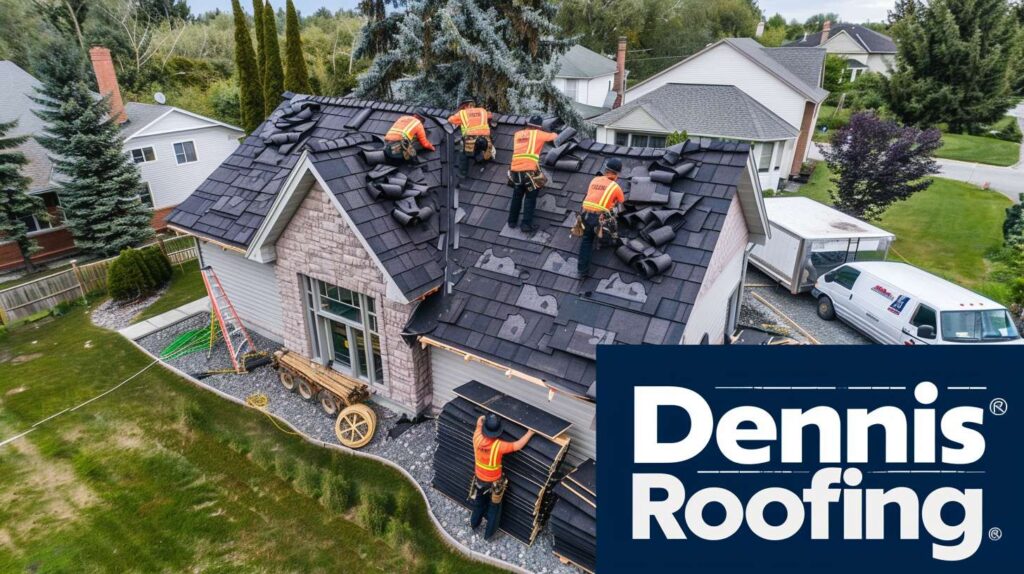
Why the Nicest-Looking Homes Often Hide the Roof Problems
Following the water’s bad decisions is the only way to really understand how a roof fails. It doesn’t start with a ceiling stain-it starts at a flashing seam, or a low spot on a flat roof, or a lifted shingle edge, and it travels through substrate and framing for weeks before it shows up indoors. By the time your eye catches it, the water has already made a dozen wrong turns through your house.
Residential roofing problems do not announce themselves politely-and personally, I think waiting for visible interior proof is one of the most expensive habits a homeowner can have. On the flat roof sections common to rear additions across Midwood, ponding can sit for days before any sign reaches the ceiling. On asphalt shingle roofing, wind loosens tabs long before you’d notice from a second-floor window. A tidy house does not equal a healthy roof. Full stop.
Match the Symptom to the Service Before Water Spreads
East 16th, after a windy rain, will teach you more about roof leak detection than a brochure ever could. The attached homes here share walls, share parapets, and share the problem of leaks that travel sideways before they travel down-so a drip in a second-floor bedroom might have started at a rear flat roof drain or a loose shingle on the front slope. And that detail matters: where the symptom shows up and where the problem actually lives are often two different addresses. I’m Gina Ferraro, and with 17 years spent triaging roofing calls around Midwood, I’ve become pretty good at sorting whether a symptom points to a roof repair, a routine roof inspection, or a call that can’t wait until Monday morning emergency roof repair situation-sometimes mid-sentence, before the homeowner finishes describing what they’re seeing.
Repair is the right move when the damage is localized. Isolated roof leak repair, chimney flashing repair, skylight repair, gutter repair, wind damage repair after a storm, targeted storm damage repair, roof sealing at a penetration point, or roof waterproofing on a specific section-these are all cases where the substrate is sound and the failure is contained. Catching it at this stage is the whole game.
Roof replacement or a new roof becomes the realistic conversation when the pattern shifts. Repeated leaks in the same zone, softened decking underfoot, a membrane that’s been patched three times in five years, widespread shingle failure across the front slope, chronic ponding that no drain cleaning fixes, or a flat roof where more than a third of the surface shows separation or bubbling-at that point, you’re not repairing a roof anymore. You’re deferring one.
Notice What the Roof Is Saying Before It Fails Loudly
I’m going to say this plainly: bubbling on modified bitumen roofing, split seams on EPDM roofing, heat stress blistering on TPO roofing, granule loss on asphalt shingle roofing, edge corrosion on metal roofing, and shrinkage cracks on rubber roof systems are not background noise-they’re early language, and they’re worth listening to. One August afternoon, hot enough that the office printer kept jamming, I spoke with a retired teacher on East 17th Street who called about “just a little bubbling” on her rear roof. Before the estimator even left, I’d already written modified bitumen roofing in the notes, because the way she described the surface told me the membrane was talking before it failed. She had done everything right-brickwork, gutters, exterior paint-but the roof maintenance had been postponed twice. That small delay nearly turned a manageable repair into a full roof replacement, and honestly, I think about that call every time someone tells me they’ll get to it next spring.
Flat Roofing
- Standing water that persists more than 48 hours after rain (ponding)
- Surface blistering or soft spots when walked
- Visible seam separation along parapet edges
First service response: Flat roof inspection + drain evaluation; roof waterproofing or seam repair if membrane is otherwise sound
Asphalt Shingle Roofing
- Granule loss collecting in gutters or at downspout base
- Curling, cracking, or cupping at shingle edges
- Tabs lifting after wind events
First service response: Roof inspection; wind damage repair or partial replacement depending on scope
Metal Roofing
- Rust streaking along panel seams or fastener heads
- Popped or backing-out screws along ridgelines
- Sealant cracking at penetrations or stack vents
First service response: Roof coating or roof sealing; fastener inspection and flashing repair
EPDM Roofing / Rubber Roof
- Shrinkage pulling membrane away from parapet or wall flashings
- Open seams or lap separations visible on surface
- Patching tape that has lifted or wrinkled
First service response: Seam reseal or edge flashing repair; full EPDM replacement if shrinkage is widespread
TPO Roofing
- Heat stress blistering along dark-colored membrane seams in summer
- Flashing separation at HVAC curbs or pipe penetrations
- Discoloration or chalking indicating UV degradation
First service response: Roof inspection focused on seam integrity; roof coating or targeted reseal before membrane failure
Modified Bitumen Roofing / Tar and Gravel Roof
- Surface bubbling or blistering (trapped moisture beneath membrane)
- Alligatoring or cracking of the surface cap sheet
- Gravel displacement exposing bare membrane underneath
First service response: Roof maintenance visit; targeted repair or membrane recovery before full replacement becomes necessary
Ask These Questions Before You Wait Another Week
Do you know the last time anyone looked at the flashing, not the ceiling? Before you call, here’s what actually helps us help you faster: where the stain sits relative to the chimney, skylight, roof drain, parapet, or rear addition; whether the moisture appears during the rain or hours after it stops; and whether the gutters overflowed the last time it poured. And here’s the insider tip that saves everybody time-three useful photos beat ten random ones every time. The three worth taking: an exterior wide shot of the roof area above the problem, a close shot of the interior stain or drip point, and a side-angle shot showing whatever is nearby-chimney, skylight, drain, gutter run. Those three angles tell a story that twenty ceiling photos never will.
Three photos, one drain, and a soft spot near the parapet-that’s usually where the story begins. I still remember a sleety Thursday around 7:10 in the morning when a Midwood homeowner called before I’d even finished my first coffee, apologizing because water was dripping from a dining room light fixture. By 7:14, I had her turning off the breaker, sending me two photos, and checking whether the stain was under the flat roof drain line or closer to the chimney flashing. The diagnosis was a roof leak repair tied to backed-up drainage and split flashing-not the ceiling, not the fixture. What stuck with me was how spotless the house was. And that detail matters: clean interiors can mask the fact that nobody’s checked the roof surface in years. Depending on what those first photos show, we’re talking about roof leak detection, a standard roof inspection, or if water is actively near electrical-emergency roof repair, same day.
Protect the Whole Property, Not Just the Spot That Dripped
I remember one homeowner telling me, “It can wait till after the holidays,” and I knew the water would not be marking the same calendar.
Smart roofing service means looking past the stain to the full system-roof installation integrity, roof waterproofing, gutter condition, skylight seals, drain clearance, flashing, and what the substrate actually feels like underfoot. I once had a Sunday call from a family who had just finished setting up for a birthday dinner when they noticed a brown ring widening near a skylight after a quick spring storm. The first thing I asked was whether the leak appeared during the wind-driven rain or only after it stopped-because water tells on itself if you listen carefully enough. That job became a skylight repair and a broader roof waterproofing conversation, and the caller kept saying, “But the roof is only part of the house,” while I was thinking, yes-and when that part slips, every other part gets recruited into the problem. One weak area doesn’t stay local. If you’re seeing something at a ceiling, a stain, a soft spot, a drip-and you’re not sure whether it’s a repair, an inspection, or something more urgent, Dennis Roofing is right here in Midwood, and we’re glad to take a look and give you a straight answer.
How do I know if I need roof repair or roof replacement?
Repair makes sense when damage is localized and the surrounding substrate is sound. Replacement becomes realistic when leaks are recurring in multiple spots, the decking is softened, or the membrane has been patched repeatedly without holding. A roof inspection gives you the honest answer-not a guess.
Do flat roof leaks always show up directly below the damage?
Not even close. On flat roofing systems, water can travel several feet laterally through insulation before it drops. The stain you see indoors is often one or two rooms away from the actual breach. That’s exactly why roof leak detection matters before you start patching ceilings.
Can you help with insurance claim roofing after storm damage?
Yes. We document storm damage thoroughly-photos, written scope, and material specifics-so your insurance claim has what it needs. Wind damage repair and storm damage repair jobs often involve insurer coordination, and we’ve helped plenty of Midwood homeowners through that process.
What commercial roofing systems do you service in mixed-use Midwood buildings?
We service flat roof commercial roofing systems including TPO roofing, EPDM roofing, modified bitumen roofing, and tar and gravel roof surfaces. Commercial roof repair on mixed-use buildings often involves HVAC penetrations and parapets that need specific attention-we know what those systems look like up close.
Should I repair gutters and skylights at the same time as the roof?
If the roof is getting opened up anyway, it’s worth doing. Gutter installation or gutter repair alongside roof work saves you a second mobilization cost, and skylight repair done during roof work means the flashing integration is cleaner. It’s not required, but it’s usually the smarter move if those items are already flagged.