
Little Bangladesh Is a Neighborhood That Works Hard – Your Roof Should Too
Newer builds here have a different issue – the weak point is almost never age, it’s the installation detail that got rushed or skipped on a block where the next job was already waiting. This article traces the water route so you can figure out whether what you’re dealing with calls for a quick inspection, a targeted repair, or a full replacement before the next rain makes that decision for you.
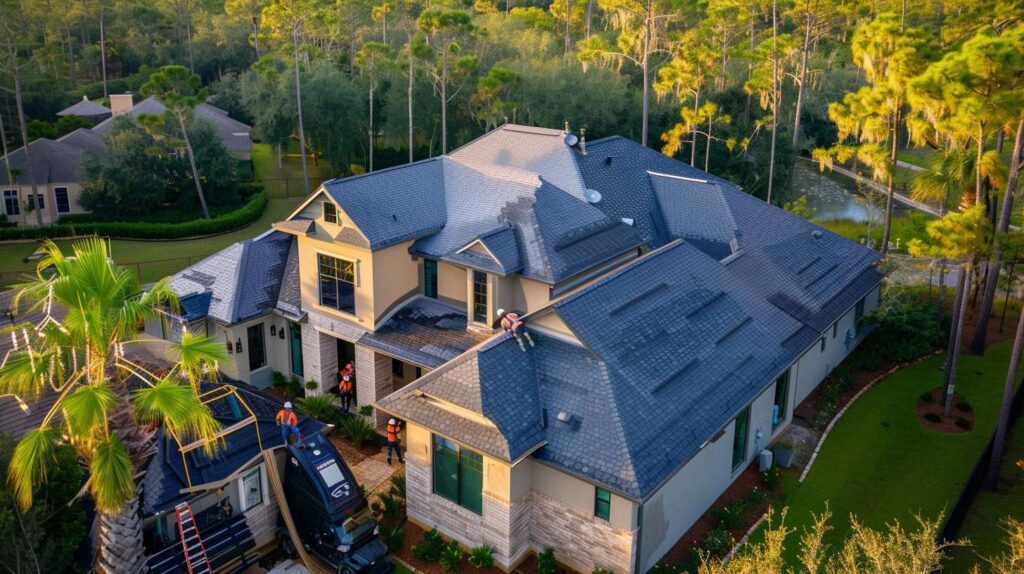
Why Newer Roofs Get Into Trouble Faster Than People Expect
Newer roofs on hardworking Brooklyn blocks fail early because the detail work – flashing laps, seam welds, drain collars, parapet corners – gets rushed during installation on buildings that are already occupied and pushing back on construction timelines. The membrane can be brand new and still shedding water the wrong direction because whoever installed it didn’t give the edges a second look. That’s where the trouble starts, and it usually doesn’t show up on the ceiling until months later.
Here’s my blunt opinion: a roof that looks tidy from the sidewalk can still be doing a lousy job. Water doesn’t care how clean the metal cap looks from the street. It moves until it finds a gap – at the flashing, along an unsealed seam, behind a parapet edge, or around a drain that’s sitting slightly low – and then it backs up, spreads out sideways, and shows up on your ceiling three rooms away from where the actual problem is. Neatness is not waterproofing.
| Myth | What Actually Happens on These Roofs |
|---|---|
| A newer roof doesn’t need an inspection. | Installation defects in flashing, seams, and drain collars can cause failures within the first two years. On Little Bangladesh mixed-use buildings, early failure is more common than most property owners expect. |
| The leak shows up right below where water enters. | Water travels laterally across flat roofs and insulation layers, then drips where it runs out of room. The stain on your ceiling could be twenty feet from the actual breach. |
| A clean metal cap means the flashing is correct. | The cap can look brand new while a gap behind the wall flashing lets wind-driven rain funnel straight into the parapet. Appearance and performance are not the same thing on Brooklyn flat roofs. |
| Flat roofs only leak during heavy storms. | Ponding water after light rain sits and seeps through failing seams or membrane bubbles over hours. By the time you see the drip, it’s been working through the system since morning prayers. |
| Patching one spot fixes the repeat leak problem. | On older or multi-layered flat roofs, one caulked spot just redirects water to the next weak point. If the same spot reopens inside six months, the route – not the patch – is the real problem. |
Quick Facts – Before You Decide Anything
Most Common Hidden Failure Points
Parapet flashing gaps, flat roof drain collars, vent stack seams, and rear-addition transitions – these fail long before the field membrane shows wear.
Best First Service to Request
A thorough roof inspection – not a free “quick look.” On flat roofs and mixed-use buildings, proper leak detection traces the water route before any repair is quoted.
Emergency Response Context
Active interior water intrusion, ceiling bulges, or wind-lifted membrane after a storm all qualify for emergency roof repair. Don’t wait for a scheduled opening when water is moving.
Roofing Systems Commonly Seen Locally
EPDM rubber roofing and modified bitumen dominate local flat roofs. Shingle roofs appear on attached rowhouses and rear additions. TPO is common on newer commercial builds along Coney Island Ave.
Following the Water Route on Little Bangladesh Buildings
Where Water Waits First
On Coney Island Avenue, I start by looking at where the water has to wait. The flat roofs here collect it fast – a low spot near an old satellite base, a drain that’s half-blocked by years of grit and membrane curl, a vent stack collar that’s lost its seal, a parapet corner where two planes meet and the flashing was cut an inch short. Rear additions are another problem area; they create a slope change that funnels water straight into the seam between old and new structure. I’m Brett Callahan, and after 17 years in roofing, most of it spent on exactly these kinds of Brooklyn buildings, I’ve built a reputation around this part of the neighborhood for catching the flat roofing drainage failures and strange flashing problems that other crews walk past.
Where It Takes a Bad Exit
I remember one dawn call when the buckets were in the wrong room. A restaurant owner on a side block near Newkirk had them set up in the kitchen, convinced the leak was coming from a vent above the prep line. I followed the water trail across the flat roof at 6:10 in the morning while the cooks were already working below me, and the real problem was a clogged drain near an old satellite dish base – twenty feet from where the owner thought. The water had been pooling there after every rain, sitting on the membrane, and seeping laterally until it found a path down. That job reminded me that in Little Bangladesh, busy buildings don’t leak where people think – they leak where water gets delayed.
If I’m talking to a property owner, I usually ask: where does the water pause after ten hard minutes of rain? That question gets more useful answers than “show me where it drips.” Delayed leaks – the ones that show up two hours after rain stops – tell you water is traveling horizontally before it drops. Recurring damp spots in the same corner after every storm tell you the route hasn’t changed, just the amount. Post-rain drips that only happen in heavy wind tell you the breach is vertical, probably at a flashing lap or a cap joint. Those details point directly at the failure faster than any guess from the sidewalk.
Decision Tree: What Service Do You Actually Need?
Did water enter the building during the last rain?
YES →
Is it actively dripping right now?
Yes → Emergency Roof Repair – call immediately. Tarping, temporary stabilization, and source identification before more water enters. Applies to both residential roofing and commercial roofing situations.
Dripping has stopped but entry happened?
Yes → Roof Leak Detection + Roof Inspection – trace the route before water moves inside again. Don’t patch blind.
NO →
Seeing stains, bubbling, ponding, seam splits, or repeated old patches?
Yes → Roof Inspection now. Depending on findings: targeted roof repair, roof maintenance, or a replacement evaluation. Commercial roofing and residential roofing paths are both available.
No symptoms at all – last inspected over 2 years ago?
Yes → Scheduled Roof Inspection + Roof Maintenance Review – proactive is always cheaper than reactive on flat roofs.
| What You Notice Inside or Outside | What Often Causes It | Best First Service Call |
|---|---|---|
| Ceiling stain far from the roof edge or exterior wall | Lateral water travel across flat roof or saturated insulation beneath membrane | Roof Leak Detection + Roof Inspection |
| Drip near a vent pipe or stack penetration | Failed boot flashing or cracked collar seal around vent stack | Roof Leak Repair at penetration; inspect surrounding membrane |
| Standing water on flat roof 48 hours after rain | Blocked drain, incorrect slope, or depressed membrane section; accelerates seam failure | Roof Inspection + Roof Waterproofing evaluation; may escalate to flat roof repair or replacement |
| Leak or stain near chimney after rain | Step or counter flashing failure, cracked mortar, or missing sealant at chimney base | Chimney Flashing Repair – don’t caulk over failed metal; it needs proper re-flashing |
| Moisture or water around a skylight frame | Failed curb flashing, cracked glazing seal, or improper skylight installation originally | Skylight Repair; if structural, full Skylight Installation replacement |
| Granules in gutter, lifted or curling shingles visible | End-of-life asphalt shingle roofing, wind damage, or improper nail placement during installation | Roof Inspection first; likely leads to Roof Replacement if granule loss is widespread |
Comparing Repair, Replacement, and Fresh Installation Without Guessing
The truth is, Little Bangladesh buildings don’t get a day off, and neither does the roof. The right call – repair, replacement, or new roof installation – comes down to one question: is water failing at one specific detail, or is the whole drainage route breaking down? One bad seam near a vent stack is a repair call. Recurring leaks that keep finding new paths after every patch, combined with soft spots in the membrane and saturated insulation underneath, mean the route itself is done – and replacement is the only thing that resets it right.
Here’s the curbside reality: if you’ve had three different roofers patch the same general area in two years, the problem isn’t the patches – it’s that nobody traced the route first.
Spotting the Details That Fail on Hardworking Blocks
Flashing, Edges, and Penetrations
A hardworking roof is like a delivery truck in city traffic – it’s not the miles, it’s the stop-and-go that wears it out. Water moving, stalling, backing up, and taking a bad exit at every flashing edge is where the damage accumulates, not in the open field of the membrane. I was called to a newer mixed-use building on a block just off Coney Island Avenue – clean parapet, brand-new metal cap, nothing alarming from the street. But when I checked behind the wall flashing, the installer had left a gap that wind-driven rain had been pushing through every storm that season. The property manager said, “But this roof is only four years old,” and that sentence right there explains a lot of why roof repair stays busy in neighborhoods where buildings never get a slow day.
Get the material wrong for the building, or install the right material with bad details, and it doesn’t matter what the warranty says. EPDM roofing fails fastest at seam splices when adhesive is applied in cold temperatures. TPO roofing gives up at weld lines when the installer moved too fast. Modified bitumen roofing cracks at laps when torching was incomplete. Tar and gravel roofs fail at the gravel-free edges where water sits. Asphalt shingle roofing lifts at the ridge when nailing was too low. Metal roofing leaks where the rubber roof transitions between systems weren’t properly lapped and sealed. Correct roof installation and correct material choice are both required – one without the other just means a different failure mode.
Flat Systems That Need the Right Match
⚠ Warning: “Probably Fine” Is a Dangerous Roofing Diagnosis
- Ponding water that “drains by Tuesday” is actively stressing seams and membrane bonds every hour it sits.
- Repeated caulk patches at the same spot are a sign the failure route is deeper than the surface – not a permanent fix.
- One dry week after a rain doesn’t mean the problem resolved. It means water found somewhere else to go.
- A four-year-old roof can absolutely be the source. Age is not the only factor – installation detail is.
- Wind-driven rain enters gaps that gravity alone never would. Hidden moisture under a membrane or behind flashing can sit for months before it shows up inside.
Knowing When To Call Before the Next Rain Makes the Decision for You
I got called at 9:40 on a cold spring night after water started coming through the second-floor ceiling of an apartment above a grocery on a block that was still fully lit and active. It had been one of those light but persistent rains that didn’t seem like much – until it ran across the flat roof, found a weak seam near a vent stack, and pushed through into the building below. I ended up under a work light with three tenants standing in the hallway, one landlord on the phone, and a kid holding an umbrella over my tool bag in the stairwell. Emergency roof repair on a building that stays open and occupied late means you don’t get to wait for morning. When the structure is protecting people who are still awake, still cooking, still stocking shelves, the roof has to hold – and when it doesn’t, fast response is the difference between a seam repair and a gut job from water damage.
After a storm, if there’s any question about wind damage or membrane lift, contact Dennis Roofing before the next weather system rolls through. Roof coating, roof cleaning, and scheduled roof maintenance keep things from reaching that point. And if a storm did cause the damage, don’t skip the insurance claim roofing conversation – document the damage with photos immediately, don’t let a contractor do temporary work that obscures the original condition, and make sure whoever you call understands how to work alongside the claims process. A good inspection report is evidence. A rushed patch can make the claim harder.
Before You Call Dennis Roofing – Have This Ready
- When the leak or stain first appeared – even an approximate date helps narrow the cause.
- Whether it happens in every rain or only during hard, wind-driven storms.
- Which room shows it first – first floor, second floor, corner, or center of the building.
- What type of roof you have, if you know – flat rubber roof, shingle, or mixed-use combination.
- Any recent storm, wind event, or contractor work on or near the roof in the past year.
- Photos of the stain, drip location, or any visible exterior damage – if it’s safe to take them from ground level. Do not climb onto a wet roof.
Common Questions – Short Answers