
Crown Heights Brownstones Have History – and Roofing Them Right Is Part of Preserving It
I’ve answered this question enough times to just write it down. On historic Crown Heights brownstones, the most expensive roofing mistake usually isn’t choosing the wrong material – it’s treating the house like it’s newer than it is, and missing the fact that the roof is really a chain of handoffs passing water responsibility from masonry to flashing to membrane to gutter, and every weak link in that chain eventually shows up inside your walls.
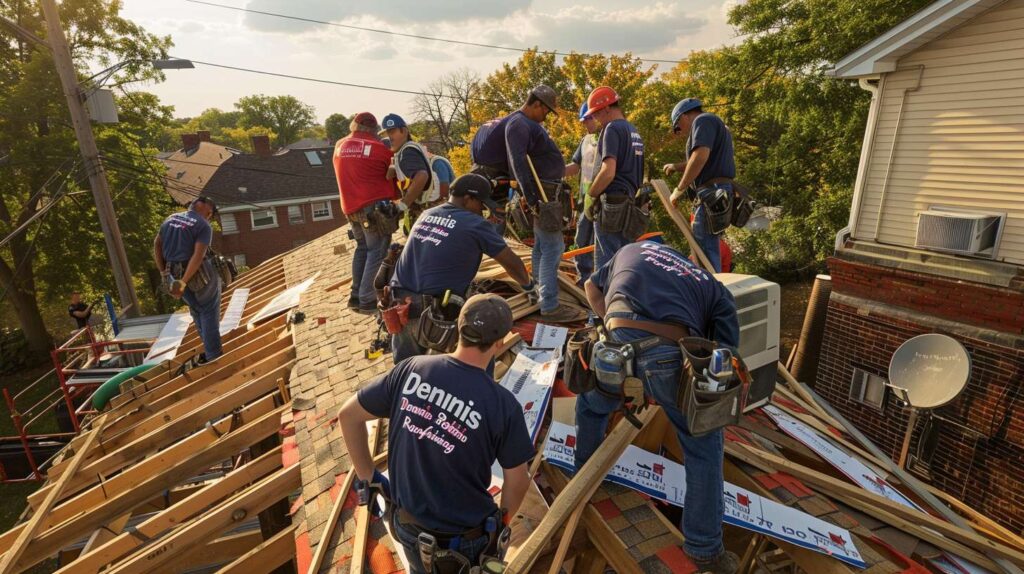
Why Historic Brownstones Punish Modern Roofing Shortcuts
On a Crown Heights roof, the first thing I look at isn’t the membrane – it’s the edges. Parapets that have shifted, chimney lines with deteriorated mortar, cornice conditions that no longer shed water cleanly, rear additions with their own drainage logic that doesn’t talk to the front section – those are the places where a bad assumption turns a manageable roof repair into a full roof replacement conversation nobody was expecting. Now follow the water: it almost never does what a quick look suggests.
What Preservation-Minded Roofing Means Here
Primary Roof Type
Flat roof with multiple transition points – parapets, chimneys, rear additions, drains
Most Common Hidden Failure
Flashing and edge handoffs – not the field of the membrane itself
Most Misleading Symptom
Interior stain that appears far from the actual leak source
Best First Service
Roof inspection before any roof replacement conversation begins
| Myth | What Actually Happens on a Crown Heights Brownstone |
|---|---|
| If the leak shows in the center room, the flat roof center is failing. | Water travels laterally behind plaster and under old roofing layers before surfacing. The stain’s location has almost nothing to do with where the breach is. |
| A fresh roof coating solves most old brownstone leaks. | Coating over failed flashing or parapet joints just buries the failure. Water still gets in – now it also has nowhere obvious to trace back to during the next inspection. |
| Any flat roofing system can be tied into old masonry the same way. | Historic brownstone masonry expands and contracts differently than modern block. Without a compatible transition detail, new membranes pull away from the wall regardless of the material used. |
| A new skylight automatically means the skylight is the leak source. | Skylights are often fine. Ponding water around a poorly sloped skylight curb pushes moisture sideways into the surrounding flat roofing – a slope and transition problem, not a skylight problem. |
| Gutters are separate from the roof system. | The gutter is the last handoff in the water chain. A mispitched or clogged gutter backs water into the edge detail and eventually into the wall cavity – the roof membrane never touched it. |
Where Crown Heights Roof Leaks Usually Start
The Edge Details That Fail Before the Field of the Roof
Here’s the blunt version: a large share of the leaks I diagnose on Crown Heights brownstones that get blamed on the flat roof surface are actually failed handoffs – at chimney flashing, parapet caps, skylight transitions, rear extensions, or gutter tie-ins. I’m Danny Kowalski, and after 17 years of roofing experience with an unusual focus on how water moves around historic details, I can tell you that the field of the membrane is usually the last thing to fail, not the first.
How Leak Detection Changes on Mixed-Age Roof Lines
I remember one place near Brooklyn Avenue where I was on a brownstone at 6:40 in the morning after an overnight summer storm, and the owner kept insisting the leak had to be from the middle of the flat roof. It wasn’t. The actual failure was old chimney flashing repair work someone had buried under roof coating years earlier, and the water traveled behind the plaster before showing up two rooms away. That job is why real roof leak detection on these homes requires patience – not guesswork and not a quick squirt of roof sealing compound. Roof waterproofing that skips the chimney line is just optimism.
Crown Heights brownstones near Eastern Parkway carry all the complications of 100-plus years of improvised fixes: original masonry that hasn’t moved the same way twice, rear additions built in different decades with their own drainage logic, patched modified bitumen roofing layered over older tar and gravel remnants, and gutter runs that have been adjusted, re-pitched, and abandoned in various combinations. Now follow the water – it doesn’t care about property lines or roofing generations, it just follows gravity and gravity follows whoever made the last drainage decision on that building.
| Actual Source | Typical Visible Symptom Indoors | Why It Misleads People | Most Likely Service |
|---|---|---|---|
| Chimney flashing failure | Top-floor front room wall stain, often two rooms from the chimney | Water travels behind plaster along the roofline before dropping | Chimney flashing repair + roof leak detection |
| Parapet crack or failed cap | Ceiling stain two rooms away from the parapet wall | Parapet cracks look like a masonry problem, not a roofing one | Roof inspection + roof leak repair |
| Skylight transition issue | Bubbling paint near window trim on the top floor | Skylight glass is dry; ponding pushes water sideways around the curb | Roof inspection + skylight repair |
| Clogged or mispitched gutter | Damp interior wall at the building’s rear corner | Looks like a foundation or masonry issue at street level | Gutter repair + roof inspection |
| Flat roof ponding near rear addition | Ceiling stain at the front of a rear-facing room | Stain is at the room’s front; water pooled at the back of the addition roof | Roof leak detection + roof repair or replacement |
| Failed roof seam at drain area | Active drip near a ceiling light fixture during rain | Drain looks open and functional from above; seam failure below surface | Emergency roof repair + roof leak detection |
⚠ Warning: Don’t Coat Over Failed Flashing
Applying roof coating or roof sealing over failing chimney flashing, open parapet joints, or compromised transition seams without correcting the substrate is one of the most expensive mistakes on Crown Heights brownstones. It traps water inside the assembly, delays accurate diagnosis, and quietly converts a manageable flashing repair into hidden interior damage, rotted framing, and crumbling historic masonry. The coating looks fine from the roof. The building keeps deteriorating underneath it.
Choosing Repair, Replacement, or a New System That Actually Fits the Building
If you and I were standing by the roof hatch right now, I’d ask you one question: is this roof failing in one confirmed location, or is the whole water path broken at multiple handoffs? That distinction is everything. A single isolated failure with sound material around it is a targeted roof repair job – and honestly, I’d rather sell you a smaller honest repair than push a full roof replacement you don’t need yet. But if the drainage is mismatched between sections, if there are recurring leaks in different spots, or if you’ve got three different materials all arguing over who handles the water at the rear extension, then a full new roof installation plan – covering the main roof, extensions, drains, flashing, and gutters as one system – is going to cost less over five years than patching each failure as it surfaces. Worth noting: mixed-use Crown Heights buildings sometimes need commercial roofing logic applied to what looks like a standard residential roofing situation, especially on owner-occupied brownstones with ground-floor commercial tenants.
If the handoffs are wrong, the material almost doesn’t matter.
Decision Guide: Repair, Replacement, or Full Roofing Plan?
Are leaks tied to one confirmed detail with the surrounding roof still sound?
YES →
Targeted roof repair – correct the flashing, gutter tie-in, or transition detail. Inspect the perimeter before closing up.
NO → Go to Step 2
Multiple patched materials, recurring leaks, or mismatched drainage between roof sections?
YES →
Full roof replacement or integrated new roof plan – address flat roof, rear addition, drainage, flashing, and gutters as one system. Material selection (EPDM, TPO, modified bitumen, metal at details) follows the drainage logic, not the other way around.
NO → Go to Step 3
Did a recent storm create an isolated failure with no prior leak history?
YES →
Emergency roof repair to stop active damage, followed by a full inspection. Document for insurance claim roofing if applicable. Check for wind damage to flat roof membrane, shingle sections, or edge metal.
NO →
Preservation-focused roof inspection before making any decision. Mixed-use buildings may warrant commercial roofing assessment even on residential-looking structures.
One February afternoon cold enough that every metal tool felt mean in your hand, I walked a roof replacement estimate with a couple who had just bought a restored brownstone near Prospect Place. The listing bragged about “all new roofing,” but what they actually had was a patchwork of modified bitumen roofing tied badly into a rear addition with mismatched drainage – the prettiest interior on the block, and the roof line was handling water like three different buildings arguing with each other. We ended up redesigning the drain layout before choosing between TPO roofing and EPDM roofing for the main section, with metal roofing at the critical transition details. Material choice had to come after drainage logic. It always does.
After Storms, the Smart Question Is Not ‘Can You Patch It Today?’
What Counts as Urgent in Emergency Roof Repair
Old brownstones are polite until water gets involved. I remember one Sunday emergency roof repair call during a windstorm because a tenant said water was coming in around a skylight installation from the previous owner’s renovation. When I got up there, the skylight itself was fine – the real issue was that the surrounding flat roofing had been feathered into old material with no respect for slope, so ponding kept pushing water sideways. Storm damage repair and wind damage repair on brownstones almost always reveal a pre-existing transition problem that the storm simply exposed. The storm gets the blame; the bad handoff deserved it.
What to Document If Insurance Is Involved
After a storm in Crown Heights, do these things in order: protect the interior with buckets or plastic, document ceiling and exterior symptoms before anything dries, and do not authorize anyone to apply store-bought sealant before a proper roof inspection – it complicates both diagnosis and insurance claim roofing. The insider move is to photograph the exit points of the roof system first: scuppers, drains, gutter outlets, and the tops of parapet walls. Those pictures explain the water story faster than any interior stain photo, and insurance adjusters respond better to evidence of where the water path broke down than to a wet ceiling tile.
Keeping the Roof Quiet So Preservation Work Stays Preservation Work
Give me a chimney, a parapet, and one bad gutter repair, and I’ll show you where the leak starts. Long-term roof maintenance on Crown Heights brownstones isn’t a product – it’s a schedule: a roof inspection twice a year in spring and fall, gutters cleared and adjusted annually, roof cleaning where debris is building up at drains, and roof sealing or roof coating only where the underlying system actually calls for it, not as a default response to age. Catch the edge failures early and you protect the plaster, the framing, the masonry, and frankly the hundred years of work that got the building this far. Treat the roof as a menu of disconnected fixes and you’ll keep paying for the same leak in new rooms.
| Interval | Task | What Gets Checked | Why It Matters on Old Brownstones |
|---|---|---|---|
| Twice yearly Spring & Fall |
Full roof inspection | Membrane condition, parapet cap, flashing at chimney and edges, drain clearance, gutter pitch | Seasonal freeze-thaw cycles stress historic masonry and flashing joints; catching this early avoids compounding damage |
| After major storms | Transition and drainage check | Drains, parapets, chimney flashing, scuppers, and any lifted membrane at edges | Storms expose pre-existing handoff failures – the wind doesn’t create the problem, it reveals it |
| Annual | Gutter cleaning and slope adjustment | Debris buildup, pitch consistency, outlet condition, tie-in at roof edge | Gutters are the last handoff – a blocked or sagging gutter pushes water back into the wall assembly |
| Every few years | Coating and sealant condition review | Whether roof coating or roof sealing is still performing or needs correction before reapplication | Recoating over failing substrate buries problems; review the system first, then decide if coating is warranted |
| Immediately | Interior water mark assessment | Trace stain to roof surface – check all transition points before assuming the membrane field is the source | Water travels far on these buildings; a quick interior stain becomes a plaster and framing repair if ignored |
These buildings were built to last – and with the right approach to roofing, they will. If you’re in Crown Heights and want a straight-talking inspection, a repair plan grounded in how the building actually moves water, or an honest assessment of whether replacement makes sense, Dennis Roofing is ready to walk the roof with you and tell you exactly what we see.