
Sunset Park’s Chinatown Is Dense and Active – Commercial Roofing Needs to Keep Pace
Worth knowing: in Sunset Park’s Chinatown, the biggest commercial roofing problem is often not how old the roof is – it’s how little room there is to inspect, repair, or replace it once deliveries, tenants, and foot traffic have taken over the block. This article walks through how commercial roofing, roof repair, roof inspection, and replacement decisions need to be made around timing and access first, materials second – and yes, residential roofing follows a different rhythm entirely, one that affords a bit more flexibility that commercial properties rarely get.
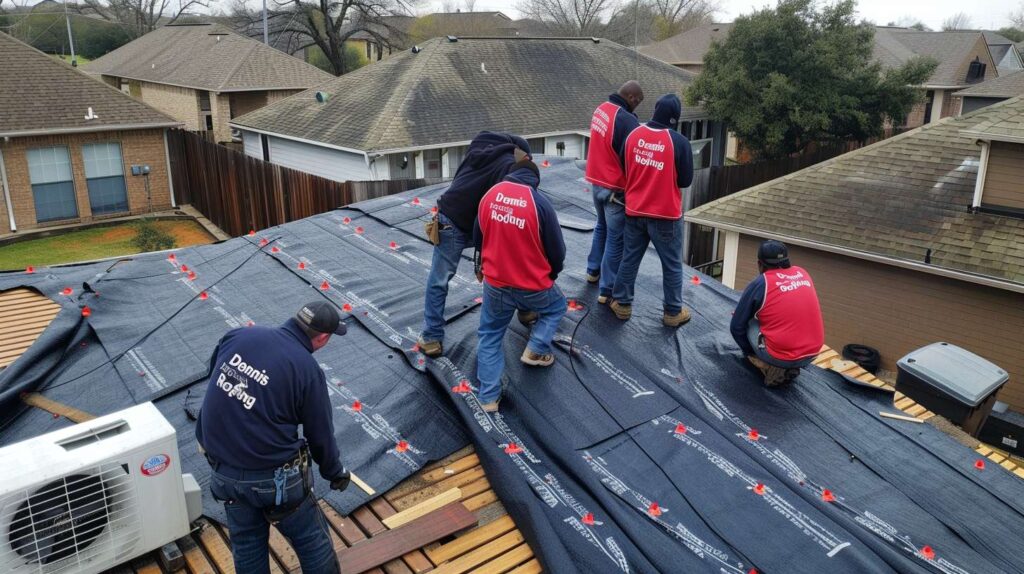
—
Density Changes the Roofing Timeline
At 6 a.m. on a Sunset Park block, you learn fast what “limited access” really means. Water has routes. Crews need lanes. And a flat roof inspection on a mixed-use building with a fishmonger on the ground floor and a textile importer on the second doesn’t happen on anybody’s ideal schedule – it happens in the window between when the last delivery truck leaves and when the first forklift comes through. Commercial roofing in a corridor this active is, at its core, a timing problem. Every roof leak, every flashing failure, every inch of ponding has to be weighed against when you can actually get to it without turning a repair into a block-wide disruption.
Here’s the blunt part: a busy building can hide a failing roof longer than a quiet one. The noise from stock movement masks dripping. Customer traffic keeps staff too occupied to notice a damp cardboard smell in the back. Stains get written off as old because, honestly, in a building that’s been running hard for thirty years, a lot of things look old. Residential roofing is different – a homeowner usually notices a ceiling issue within a few days, and there’s often room to schedule a crew without worrying about forklift timing or adjacent storefronts. Commercial properties don’t get that grace period. By the time a tenant says something, the roof has usually been failing quietly for weeks.
| Roof Issue | Why Owners Miss It | What It Disrupts | Best Next Step |
|---|---|---|---|
| Minor leak near storage wall | Stain looks old; back areas are rarely inspected during busy hours | Inventory damage, mold growth, and insulation saturation | Roof leak detection and targeted roof leak repair before next rain |
| Ponding on flat roof | Nobody goes up top regularly; drainage clogs go unnoticed | Structural load risk, membrane breakdown, and widespread seepage | Immediate roof inspection, drain clearing, and roof waterproofing assessment |
| Flashing failure at sign mount | Sign obscures the damage; penetration is assumed to be sealed | Interior wall damage, electrical risk near signage wiring | Chimney flashing repair protocol applied to sign penetrations; reseal and inspect adjacent membrane |
| Gutter overflow at rear access | Rear areas are high-traffic and wet; overflow blends into normal loading conditions | Slip hazard, foundation saturation, and blocked delivery access | Gutter repair or gutter installation upgrade; inspect for membrane edge damage above |
—
Signals Owners Miss Until the Ceiling Talks Back
Leaks Often Announce Themselves Inside First
I still think about that back-alley leak behind the produce racks. It was a July morning, barely 5:40, still dim out, and a produce wholesaler near Chinatown called because water had started dripping behind a back storage shelf before the delivery guys even finished unloading bok choy. The roof leak itself wasn’t catastrophic – maybe a few square feet of compromised membrane around a drain collar – but getting to it meant threading a crew through an alley that, by 7 a.m., would be completely locked up with hand trucks, pallets, and refrigerated vans. Pam Guerrero, after 17 years coordinating Brooklyn roofing jobs with a specialty in high-traffic commercial scheduling, has learned that small leaks become big business problems when access disappears – and that job is exactly why I’ll always say emergency roof repair in a dense corridor is less about the damage size and more about whether you can reach it before the street wakes up.
If I asked you when your last roof inspection happened, would anyone in the building answer quickly? Probably not. And that’s where things tend to compound. Roof leak detection gets skipped because the signs inside – a yellowish ring near a light fixture, a subtle sag in ceiling tile, recurring damp smell near an HVAC vent – get absorbed into the noise of running a business. Chimney flashing repair, skylight repair, gutter repair: these feel like “eventually” tasks right up until they aren’t. The ceiling stain that looked like it had been there forever often turns out to be six weeks old and actively growing.
| Myth | Fact |
|---|---|
| “The stain is old so the leak is old.” | Stains can look aged within weeks in high-humidity commercial spaces. The age of the stain tells you nothing about whether water is still moving through the membrane right now. |
| “If tenants are not complaining, the roof is fine.” | Tenants often absorb early signs into daily operations – they put down a bucket, wipe off a shelf, and move on. They’re not paid to inspect your roof. You are responsible for finding damage before they have to report it. |
| “Emergency roof repair means the damage must be dramatic.” | Emergency is defined by timing and access, not just damage size. A pinhole failure near an electrical run during a busy service week is an emergency. Waiting makes it one even if it doesn’t look like one yet. |
| “Flat roofing problems always show up on top first.” | Flat roof failures frequently travel laterally under the membrane before showing up anywhere visible. By the time you see surface bubbling or ponding damage, water has usually been migrating through insulation for a while. |
| “A patch buys plenty of time no matter where the leak started.” | Patches work well on isolated, contained failures. On systems with aging membranes or widespread seam stress, a patch at one spot just redirects water to the next weak point – usually within one or two rain events. |
- Fresh ceiling discoloration – even a pale ring – especially near light fixtures or HVAC penetrations
- Recurring damp cardboard or musty smell in storage or rear service areas
- Ponding visible near rooftop penetrations, drains, or sign mounts after rain
- Active drips or moisture anywhere near electrical runs, panels, or conduit pathways
- Overflow from gutters or scuppers that reaches rear delivery paths or shared alley surfaces
—
Choosing the Right Response Before Small Damage Becomes a Lane Closure
Water does not care that your tenants open early. It moves on its own schedule through seams, around drain collars, and behind parapet walls – and by the time it makes it to an interior surface, it’s already well past the point where a quick fix holds. Sorting your situation correctly from the start saves time, money, and disruption. Active interior leaks or post-storm openings in a membrane need emergency roof repair, not a callback in three days. Recurring leaks, saturated insulation, or systems with more than 15 years of service history are usually heading toward roof replacement – commercial roof repair keeps buying time, but at some point the math stops working. For everything in between – seam failures, drain blockages, isolated flashing issues – targeted commercial roof repair, roof waterproofing, or roof sealing gets the job done without the disruption of a full tear-off. And if none of those apply, a scheduled roof inspection plus a basic roof maintenance visit often catches what becomes the next emergency before it earns that title.
A roof problem becomes a building problem the minute access disappears.
—
Material Choices Have to Match the Building’s Pace
What Works on Flat Commercial Roofs
A commercial roof in Chinatown works a lot like traffic at an eight-way intersection – fine until one delay stacks into six. I spent one windy fall afternoon coordinating a flat roof inspection for a mixed-use building while a restaurant tenant downstairs was deep in holiday-rush prep and insisting that a ceiling stain was “definitely old.” Standing at the side entrance off 56th Street with my clipboard, catching the smell of roast duck and damp cardboard at the same time, I watched the roofer point out fresh ponding marks across two-thirds of the field and a clean flashing failure right where a sign mount had been bolted through the membrane. By the next rain, that “old stain” was an active drip. That building had a rubber roof system – EPDM roofing – that had served it well for years, but the penetration seals hadn’t been touched since the sign went up. Flat roof systems, whether that’s TPO roofing, modified bitumen roofing, or a classic tar and gravel roof, all concentrate their vulnerabilities at the same spots: drains, penetrations, seams, and parapet edges. Those are where the inspections have to go first, every time.
What Still Matters on Smaller Attached Structures
Not every structure in this corridor is a full-footprint commercial flat roof. Rear additions, accessory structures, and smaller mixed-use buildings with residential upper floors sometimes run a shingle roof or even a metal roof on lower-slope sections. Asphalt shingle roofing still makes sense on pitched rear additions and some attached garages – it installs fast and is easy to repair if access allows. Metal roofing holds up well in urban environments with high foot traffic on the roof, though installation in Sunset Park gets complicated fast: narrow side entries, shared drainage patterns with neighboring buildings, early unloading schedules that close the alley before 8 a.m., and crowded sidewalks that leave almost no staging room. Whatever the material, the access realities here don’t change. The building’s pace sets the schedule, not the other way around.
| Roofing System | Pros | Cons |
|---|---|---|
| TPO Roofing | Lightweight, heat-weldable seams hold well in urban conditions, energy-reflective surface helps with heat load in dense commercial blocks | Seam quality depends heavily on installation; some formulations have shortened track records in extreme cold-wet cycles |
| EPDM Roofing | Long service life (20+ years), flexible in cold weather, widely available and repairable by most experienced crews | Dark surface absorbs heat; seam adhesives can weaken over time; not ideal if rooftop foot traffic is frequent |
| Modified Bitumen | Durable in high-traffic rooftop conditions, solid puncture resistance, familiar to most crews operating in Brooklyn | Torch-applied installation requires clearance from neighboring buildings; not always feasible in tightly packed corridors |
| Tar and Gravel | Proven longevity on older buildings, gravel layer provides UV and impact protection, familiar to inspectors and insurers | Heavy – structural load should be confirmed; tear-off creates significant debris and access challenges in tight alleys |
| Metal Roofing | Extremely long service life, minimal maintenance once installed, handles standing water drainage well on low-slope sections | Higher upfront cost, panel delivery and staging is difficult on blocks with no curb space; noise during rain is a tenant consideration |
—
Planning the Work So the Block Can Keep Moving
After a weekend storm tore up the membrane on a Sunset Park commercial property a few years back, the project that followed taught me more about coordination than any single job I’ve done. The tear-off itself was straightforward. What wasn’t: making sure materials reached the building without blocking the morning delivery lane that three neighboring businesses shared. It had rained hard overnight, the super was irritated before anyone even arrived, and one tenant kept asking whether the loud part could happen later – as if roofing noise runs on a courtesy schedule. Flat roof installation, roof replacement, and insurance claim roofing all succeed or fail partly on how well you stage before the first nail goes in. And honestly, my opinion has never changed on this: the best roofing plan is the one that protects tenant operations before it protects anybody’s convenience. Once the block is jammed and deliveries are stacking up, every task gets harder and pricier – whether that’s a material hoist, a debris removal run, or just getting a crew member from one side of the building to the other.
If you’re a property owner or manager getting ready to start a roofing project, there are a few things worth doing before anyone shows up. Map your access points and tell the crew about every restriction upfront – shared alleys, low clearance entrances, hours when no staging is allowed on the sidewalk. Give tenants written notice early; they’ll protect their inventory better and you’ll have fewer interruptions. Don’t forget to ask about gutter installation timing relative to the membrane work, and if skylight installation or repair is part of the scope, coordinate those trades together. Here’s the insider tip that saves more projects than anything else: ask for the exact material drop window and the staging path before you approve the start date. That single question is often what separates a clean job from a day where the materials arrive and nobody can get them to the roof without blocking the whole block.
—
If you’re seeing leaks, ponding, flashing failure, or storm damage on a commercial property in Brooklyn, call Dennis Roofing before the next schedule bottleneck turns a manageable repair into a larger disruption. The window to act is almost always smaller than it looks – and in Sunset Park’s Chinatown, it closes fast.