
Boerum Hill Brownstones Are Just as Beautiful as Park Slope – Let’s Keep the Roofs That Way
Good news: Boerum Hill brownstones are every bit as architecturally striking as Park Slope’s, and their roofs deserve the same level of care and attention. That care starts with understanding what’s actually happening up there – because preservation-minded roofing decisions will always protect more of what makes these buildings worth owning than random patchwork ever will.
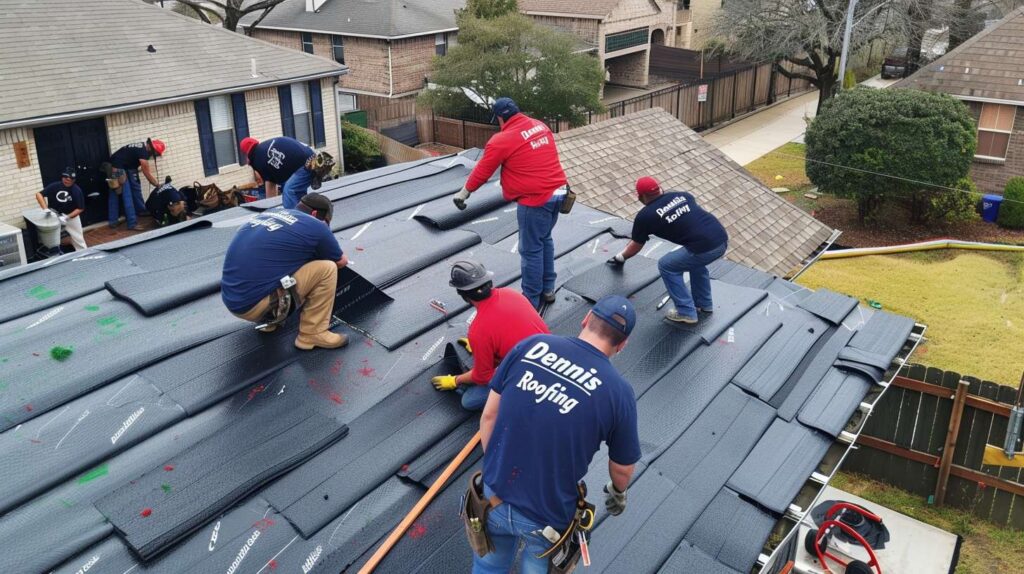
Boerum Hill roofs deserve preservation, not random patchwork
A brownstone roof is a lot like a display case in a museum – ignore one edge, and the whole thing starts telling on you. The roof isn’t just a weather barrier; it’s part of the building’s historic fabric, and treating it like a surface to slap sealant on every time something drips is how a manageable repair turns into a serious replacement conversation. Preservation means diagnosing first, cutting into layers second, and understanding why something failed before deciding what goes back over it.
On Dean Street last spring, I saw a beautiful Boerum Hill rowhouse with a near-perfect cornice and a rear flat that hadn’t been properly inspected in years – and Stephanie Chu, who has spent 14 years around roofs and is especially known for brownstone roof preservation and flat roof problem-spotting, was the one who caught the failing modified bitumen seam behind a parapet before a bad storm turned it into a top-floor disaster. What fails first on these roofs isn’t usually the visible stuff. It’s the edges, the penetrations, the low spots where water lingers, and the transitions where an old repair ends and the original membrane begins.
| Myth | Fact |
|---|---|
| “If the cornice looks good, the roof is probably fine.” | Cornice condition and roof condition are nearly unrelated. Hidden leak paths form at flat roof transitions long before street-level details show stress. |
| “A little sealant means the repair is done.” | Sealant over a seam or flashing gap is a temporary hold, not a closed leak path. Without addressing the underlying failure, water finds a new route – usually sooner than expected. |
| “Brownstones always need full replacement once they leak.” | Many leaks trace to one isolated failure point – a skylight curb, a chimney flashing gap, a single seam. Targeted roof leak repair often resolves them without a full tear-off. |
| “Rear bedroom stains usually come from gutters.” | Gutters are often blamed first, but rear stains on brownstones frequently trace back to failed membrane seams, cracked skylight curbs, or failed parapet flashing on the back wall. |
| “Flat roofing always fails all at once.” | Flat roofs tend to fail incrementally – at the seams, drains, and penetrations first. Regular inspection catches these early failures before they compromise the field membrane or the deck underneath. |
Start by identifying the failure point before choosing the service
Here’s the part homeowners don’t love hearing: water rarely enters where the stain appears. During a cold March roof inspection, I traced a rear bedroom stain that a homeowner had attributed to gutter problems for years – turned out it was a failed seam near a section of modified bitumen roofing sitting right beside a newer roof coating patch someone had applied over it, and the incompatible layers had let water travel horizontally for several feet before it showed up inside. That’s classic Boerum Hill brownstone behavior. These buildings have narrow rear setbacks, shared party-wall conditions on both sides, and drainage patterns that push water into corners the original builders never expected to see ponding. Top-floor stain patterns in older Brooklyn brownstones are almost never where the actual entry point is – that’s not a guess, it’s just how these roofs behave.
Before you price anything, ask whether you are repairing a leak path or funding years of disguised patchwork.
NO → Is the roof older, with multiple patch layers and widespread ponding?
NO → Emergency roof repair to stabilize, then inspection
NO → Routine roof maintenance + annual inspection
What usually points to roof repair
When the failure is localized, repair is almost always the right call first. A single skylight leaking at the curb edge, rusted or lifted chimney flashing, a separated seam on one side of the drain, a minor gutter joint that’s pulling away from the fascia – these are the things that targeted roof leak repair, chimney flashing repair, skylight repair, gutter repair, roof sealing, and spot roof waterproofing are designed to address. The key is that the surrounding membrane is still structurally sound and the deck underneath isn’t waterlogged. When those conditions hold, there’s no reason to tear off a roof that has useful life remaining.
What usually points to roof replacement
Replacement makes sense when the problems stop being isolated. If you’re calling for emergency roof repair every season, if there are multiple separate leak zones that don’t trace back to one cause, if the insulation or deck underneath feels soft underfoot, or if a previous installation was done poorly enough that it’s creating new failures faster than repairs can close them – that’s when a full roof replacement, new flat roof installation, or a heavier membrane system appropriate for a mixed-use building becomes the more honest answer. Continuing to patch a roof that has fundamentally failed at the system level isn’t preservation. It’s delay.
| What You Notice | Likely Issue | Best Service | Urgency |
|---|---|---|---|
| Isolated seam split on flat surface | Membrane seam failure or shrinkage | Roof leak repair + seam re-weld | This week |
| Repeated ponding around drain | Blocked drain or settled deck | Drain service + roof inspection | This week |
| Recurring leak at skylight frame | Failed curb flashing or cracked seal | Skylight repair or skylight reinstallation | This week |
| Rusted or loose flashing at chimney | Failed step or counter flashing | Chimney flashing repair | This week |
| Widespread blistering on flat roofing | Membrane delamination or moisture below | Full roof inspection + likely roof replacement | Planned project |
| Wind damage after storm | Lifted membrane, displaced flashing | Emergency roof repair + storm damage documentation | Same day |
Look closely at the details that fail first on a Brooklyn brownstone
Three seams, one drain, and a patched skylight later – the roof usually tells the truth at transitions. Where old membrane meets newer roof coating, where flashing meets masonry, where slope meets standing water: that’s where the story of this building’s maintenance history is written. And honestly, the insider tip that saves the most time on a Boerum Hill roof inspection is this: check the skylight corners and chimney bases before you start blaming the field membrane. The field is almost never where the problem starts – it’s where the problem eventually shows up after traveling from somewhere else.
-
1
Front Parapet Edge – Where membrane terminates at the street-facing wall; wind and freeze-thaw cycles stress this edge first. -
2
Rear Parapet Edge – Often where party-wall exposure creates water concentration; check coping and counter-flashing carefully. -
3
Drain Bowl – Look for membrane shrinkage pulling away from the bowl rim, and confirm the bowl isn’t cracked or displaced. -
4
Drain Leader Connection – The transition from roof drain to leader pipe is a frequent hidden leak point on older Boerum Hill buildings. -
5
Skylight Curb – Check all four corners for lifted membrane, cracked sealant, or gaps between the curb frame and the roofing system. -
6
Chimney Flashing – Step flashing, counter-flashing, and cap flashing should all be continuous, properly lapped, and free of rust, separation, or incompatible sealant layers. -
7
Membrane Seams – Any seam running parallel to a slope or across a low-drainage area deserves close attention; heat-welded or lapped seams can separate years after installation. -
8
Gutter and Downspout Transition – Where the roof surface meets gutter attachment points, look for lifted edges, rust staining, and any sign that water is running behind the gutter rather than into it.
Layering incompatible sealants over chimney flashing, membrane seam splits, or patched skylight areas doesn’t fix the failure – it hides it. Different sealant chemistries trap moisture between layers, block proper leak-path tracing, and accelerate the deterioration of the substrate underneath. What starts as a repairable flat roof problem can quietly become a saturated deck situation that pushes a targeted repair directly into a full roof replacement conversation. If you see a roof covered in mismatched caulk beads and sealant blobs, treat that as a red flag, not a sign that the previous repairs worked.
Match the roofing system to the building, not the sales pitch
If I were standing in your top-floor hallway, I’d ask this first: how old is the current roof, how many layers of patch material are sitting on top of the original membrane, what does the drainage pattern actually look like when it rains hard, and is this building purely residential or does it have any commercial use on the ground floor? Those four questions tell me more than a visual scan from the hatch ever could. And here’s my honest opinion, for what it’s worth – I’d rather preserve a serviceable roof with disciplined, well-matched repairs than sell a replacement six months too early. That’s not a generous discount. That’s just what I think is right for a building like this.
Materials commonly used on residential and mixed-use roofs
One windy October afternoon, I met a couple who had just moved from Park Slope and kept describing their Boerum Hill place as “smaller but more manageable.” Then I stepped onto the roof and found chimney flashing that had been addressed with three different sealant types and a strip of aluminum bent by hand – it was actually ticking in the wind while I explained what I was looking at. That job reminded me, again, that old Brooklyn homes don’t want random shortcuts. They want consistency: the right membrane, the right flashing material, properly lapped and mechanically sound. A repair that doesn’t match the existing system in material and behavior will fail faster than the thing it was meant to fix.
- Isolated, traceable leak path
- Flashing that’s repairable, not fully deteriorated
- Membrane with manageable age and limited cracking
- Ponding limited to one area, not widespread
- Substrate and deck still structurally stable
- Multiple separate leak zones with no single cause
- Saturated insulation or soft spots in the deck
- Repeated emergency calls season after season
- Failing field membrane with widespread blistering
- Prior installation was poor and is creating new failures
| System | Pros | Cons |
|---|---|---|
| EPDM Roofing | Highly flexible, great for low-slope brownstone flats; long track record in Brooklyn; relatively easy to patch with compatible materials | Black surface absorbs heat; seam adhesion can degrade over time if improperly installed; not as reflective as TPO |
| TPO Roofing | White surface reflects heat well; heat-welded seams are strong when done correctly; good choice for mixed-use buildings with HVAC penetrations | Seam quality depends heavily on installation crew skill; thinner membranes can puncture; not ideal if roof traffic is frequent |
| Modified Bitumen | Extremely compatible with existing Boerum Hill roof conditions; granulated surface handles foot traffic; repairs are straightforward with matching material | Torch-down installation requires care around penetrations; older systems can become brittle; not reflective unless coated |
| Tar and Gravel Roof | Time-tested on Brooklyn buildings; gravel protects membrane from UV; can last decades if maintained; familiar to most local roofing contractors | Heavy; difficult to inspect for hidden moisture; tear-off is labor-intensive; fewer contractors specialize in new BUR installation today |
| Metal Roofing | Excellent for sloped rear extensions or accent sections; long lifespan; stands up to Brooklyn weather; can complement historic brownstone aesthetic | Not appropriate for flat field applications; expansion and contraction require careful detailing; higher upfront cost; needs specialist installation |
Know what happens after the inspection so there are no surprises
Old Brooklyn roofs are not delicate, but they are honest. A good roofing company should leave an inspection with documentation of the active leak path, an honest assessment of remaining roof life, clear notes on any emergency risks that need immediate stabilization, and a plain statement of whether roof cleaning, routine maintenance, or a roof coating makes sense at this stage versus a more invasive repair. If there’s storm or wind damage present, that documentation should be thorough enough to support an insurance claim roofing process – photos, written scope, and a clear explanation of how the damage relates to the weather event.
I was on a Boerum Hill brownstone roof at 6:40 in the morning after a sticky July night – the owner was still in slippers holding coffee at the top of the bulkhead stairs. She thought she had a small roof leak repair on her hands. What I found was ponding water sitting around an old skylight patch, membrane that had softened at the edges, and clear evidence that this flat roofing system was carrying more fatigue than the interior stain had suggested. The house was genuinely beautiful from the street. But beauty at the cornice doesn’t cancel out a tired flat roof, and that’s not bad news – it’s just the information you need to make a smart decision. If your roof is already telling on itself, Dennis Roofing should be the one tracing that story before the next storm does it for you.
Walk the top floor and note every stain pattern, moisture mark, and ceiling discoloration before stepping outside. Interior clues establish the probable leak zone.
Examine the full membrane surface, all penetrations (skylight, chimney, HVAC curbs, drains), parapet edges, and any visible repair transitions from prior work.
Connect interior stain locations to probable exterior entry points. Photograph every relevant detail – this record matters for repair scopes and insurance documentation.
Plain, documented advice on whether the roof supports a repair-first approach or whether the scope of failure makes replacement the more sound investment.
A clear written outline covering targeted roof repair, emergency stabilization if needed, or a full new roof installation plan – with materials, sequence, and timeline specified.
How often should I schedule a roof inspection on a brownstone?
Can a flat roof leak even if the membrane looks okay from the hatch?
What counts as emergency roof repair?
Does insurance claim roofing apply to storm or wind damage on Brooklyn rowhouses?
Should I replace gutters and skylights during a roof replacement?
Licensed and insured for both residential roofing and commercial roofing in New York State – ask to see documentation before work begins.
Documented experience with Boerum Hill brownstone roof conditions – party-wall exposure, flat roof drainage, historic masonry flashing, and mixed-use building types.
Capacity for emergency roof repair and proper leak detection – not just patching, but tracing the actual failure path before applying any material.
Clear written scopes that distinguish repair from replacement, explain the materials being used, and don’t leave the decision buried in verbal assurances.