
BoCoCa’s Premier Roof Installation & Repair Services
Here’s something most BoCoCa property owners don’t realize: those persistent leaks staining your third-floor ceiling usually aren’t coming from the middle of your roof at all. After 11 years working on Carroll Gardens brownstones and Cobble Hill walk-ups, I’ve found that roughly 80% of “mystery” leaks trace back to flashing details-where your roof meets chimneys, skylights, parapet walls, or rooftop deck ledgers. The rubber membrane or tar surface might be fine; it’s those transition points that fail first. Professional roof installation, targeted roof repair, and proactive roof inspection prevent exactly these failures before water finds your living room.
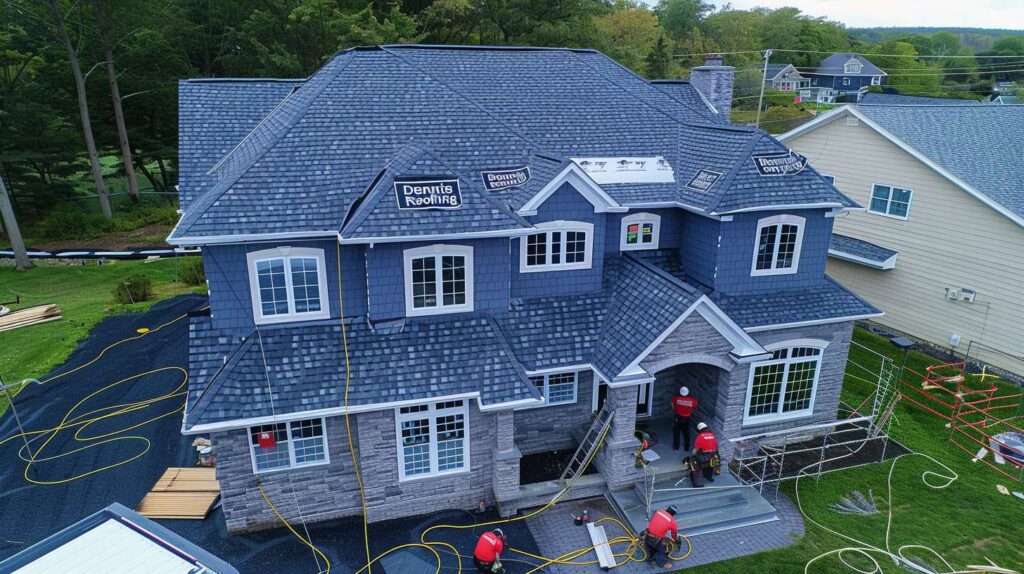
I’m Rafi, and I’ve spent the last decade specializing in flat roofing and roof waterproofing across Boerum Hill, Cobble Hill, and Carroll Gardens. What started as general contracting work evolved into roof-focused expertise when I noticed how many local buildings-historic rowhouses, mixed-use commercial properties, small condos-were losing money to preventable roof problems. This article walks you through how to know whether your BoCoCa building needs emergency patch work, strategic repairs, or full roof replacement, and which systems actually make sense for our neighborhood’s unique building stock.
Understanding When You Need Roof Repair vs. New Roof Installation
The biggest confusion I encounter on BoCoCa blocks: distinguishing between a roof that needs targeted roof repair and one that genuinely needs a new roof. A Carroll Gardens brownstone owner called me last spring about a leak over her kitchen extension. She’d gotten three estimates ranging from $2,800 for repairs to $24,000 for complete tear-off and replacement. After a proper roof inspection with moisture meter readings and photo documentation, the answer was clear: her 14-year-old EPDM rubber roof was structurally sound with 95% of the membrane intact, but the step flashing where the extension met the main building had separated, and the skylight curb needed rebuilding.
We completed repairs for $3,400. That roof will give her another 8-10 years with proper maintenance.
Here’s my decision framework: Consider roof replacement when you’re seeing multiple failure points (three or more active leaks from different areas), the membrane shows widespread cracking or ponding that won’t drain, or the roof is beyond its expected lifespan-typically 15-20 years for EPDM, 12-15 for modified bitumen, 20-25 for TPO, and 40+ for properly maintained metal roofing. Go with targeted repairs when you have isolated problems at flashing, seams, or penetrations, the bulk of your roofing material still has life, and you’re planning to sell or renovate within 5-7 years anyway.
For commercial properties along Court Street or Smith Street, the calculation shifts slightly. A retail building with tenant improvements planned in 18 months might opt for quality repairs and roof coating rather than full replacement, preserving capital for interior work while maintaining a watertight envelope.
Flat Roofing Systems That Actually Work in BoCoCa
Walk down any block between Atlantic Avenue and DeGraw Street, and you’re looking at flat roofs-or more accurately, low-slope roofs with just enough pitch to (theoretically) drain water. Most BoCoCa buildings have roof slopes between 1/4:12 and 2:12, which rules out traditional pitched shingle roofing and requires membrane-based flat roofing systems designed for ponding water, foot traffic from roof deck access, and the thermal cycling we get from harbor winds and summer heat island effects.
I install four primary flat roof systems in this neighborhood, each with specific advantages:
EPDM roofing (rubber membrane) remains the workhorse for residential brownstone roofs and small extensions. A typical 800-square-foot Cobble Hill roof deck project runs $7,200-$9,800 for fully adhered EPDM with new flashing and termination bars. EPDM handles our temperature swings well, resists UV degradation, and-critically for historic buildings-doesn’t require heat or flames during installation, which matters when you’re working three feet from a 140-year-old timber rafter system. Expect 18-22 years from quality EPDM roofing with seams properly sealed and annual inspections.
TPO roofing has become my default recommendation for newer construction and commercial flat roof installation projects. The heat-welded seams create a truly monolithic membrane-no adhesive or tape that can fail-and the bright white surface reduces cooling loads significantly. On a Boerum Hill mixed-use building last fall, we installed 3,200 square feet of 60-mil TPO for $18,400, and the owner reported his third-floor tenants ran AC 30% less that first summer. TPO costs roughly 15-20% more than EPDM upfront but often pays back through energy savings and longer life (20-25 years typically).
Modified bitumen roofing works beautifully for buildings where you need toughness more than aesthetics-think roof decks with heavy furniture, buildings with significant HVAC equipment traffic, or properties where maintenance staff will be walking the roof regularly. The two-ply system (base sheet plus cap sheet) creates redundancy; if the top layer develops small punctures, the base layer still protects. Installation does require torch application or hot asphalt, which means careful planning around fire safety and neighbor notification. Cost runs $8,800-$12,500 for that same 800-square-foot area.
Tar and gravel roofing-the traditional built-up roof or BUR system-still makes sense for specific applications, particularly larger commercial buildings or when you’re doing roof-over installations on structurally sound existing tar roofs. The gravel ballast protects the asphalt layers from UV and provides impact resistance, and the multiple plies create a thick, durable membrane. These systems are heavy (6-8 pounds per square foot with gravel), so structural capacity matters. I see fewer new tar and gravel installations than a decade ago, but for properties maintaining historic roofing methods or needing maximum durability, it remains viable.
When Metal Roofing Makes Sense for BoCoCa Buildings
Not every BoCoCa roof is flat. The neighborhood includes plenty of pitched roofs on carriage houses, rear extensions, and commercial buildings from the early 20th century. For these applications, metal roofing increasingly outcompetes traditional asphalt shingle roofing on both performance and lifecycle cost.
A standing-seam metal roof installation on a Carroll Gardens carriage house with approximately 1,200 square feet of 6:12 pitch roof costs $19,800-$24,500 depending on panel profile and concealed vs. exposed fasteners. Compare that to $8,500-$11,200 for architectural asphalt shingle roofing on the same structure. The metal costs 2-2.5× more upfront but lasts 45-60 years with minimal maintenance versus 18-25 years for quality shingles, making the annualized cost actually lower for metal.
Beyond longevity, metal roofing handles the specific challenges of urban Brooklyn environments: fire resistance matters when you’re 12 feet from neighboring buildings, wind uplift resistance protects against the gusts we get off the harbor, and the slick surface sheds the soot and organic debris that accumulates on city roofs. For commercial properties, metal roofs also support solar panel installations more cleanly than shingle or flat membrane systems.
That said, shingle roofs still make economic sense for buildings where you’re planning major renovations within 15 years or where budget constraints make the metal premium unworkable. A quality architectural shingle-GAF Timberline HDZ or Owens Corning Duration, typically-gives you solid performance at half the upfront cost. On pitched roof sections of brownstones, I often spec shingles for the rear extension roof while recommending EPDM or TPO for the flat main building roof, tailoring the system to each surface.
Roof Leak Detection and Repair: Finding Problems Before They Find You
Most roof leak repair work I do in BoCoCa isn’t emergency response to waterfalls in living rooms-it’s systematic investigation of subtle signs that water has found a way in. A damp spot on a ceiling corner. Musty smell in a top-floor closet. Efflorescence (white mineral deposits) appearing on an interior brick wall near the roofline. These signals mean water has been entering for weeks or months, potentially causing structural damage you can’t see yet.
Roof leak detection starts with understanding water movement. Water rarely drips straight down from where it enters. On a Cobble Hill brownstone with timber joists running front to back, a leak at a rear parapet wall might travel along a joist bay 12-15 feet before appearing as a ceiling stain near the middle of the building. I use a combination of visual inspection, infrared moisture scanning, and occasionally tracer dye testing to find the actual entry point.
The most common roof leak repair scenarios I encounter:
- Chimney flashing repair: The stepped and counter-flashing system where a chimney penetrates the roof fails when the mortar joints deteriorate or the metal flashing corrodes. This is especially common on brownstones where the original chimney hasn’t been used in decades but still extends through the roof. Proper repair means removing several courses of brick, installing new through-wall flashing, rebuilding counter-flashing into repointed joints, and ensuring the base flashing ties into the field membrane correctly. Cost: $1,800-$3,200 depending on chimney size and access.
- Skylight installation and repair: Skylights leak for three reasons-failed glazing seals (the skylight itself is broken), deteriorated curb flashing (where the skylight frame meets the roof), or inadequate cricket/saddle behind the skylight that allows water to pond. Often, a homeowner will replace the skylight unit but not address the flashing system, and leaks continue. Full skylight repair means evaluating the entire assembly: curb structure, membrane tie-in, flashing details, and interior condensation management. New skylight installation runs $2,400-$4,800 per unit including proper curb construction and flashing integration.
- Parapet wall failures: BoCoCa’s rowhouses feature brick parapet walls extending 2-4 feet above the roof surface. The coping cap (top course of stone or brick) and through-wall flashing that protects the interior of that wall from water intrusion deteriorates over decades. When it fails, water enters the wall, saturates the brick, and eventually finds its way into the building envelope. Comprehensive parapet restoration includes repointing, new through-wall flashing, replacement coping stones, and cricket flashing at the roof-to-wall intersection. Budget $8,500-$15,000 for a typical brownstone front parapet.
For commercial roofing, leak sources often involve mechanical equipment. Rooftop HVAC units, exhaust vents, and utility penetrations create dozens of potential entry points. I’ve traced leaks on Smith Street retail buildings to improperly sealed conduit penetrations made by HVAC contractors who understood their equipment but not roofing systems. Every penetration needs proper flashing integration-usually a pitch pocket or boot system-and periodic inspection as equipment vibration loosens fasteners over time.
Emergency Roof Repair: What Actually Constitutes an Emergency
Emergency roof repair means active water entry causing immediate damage to building contents or creating safety hazards. Not every leak qualifies. A slow drip into a bucket in your basement storage area? That’s a priority repair, not an emergency. Water pouring onto electrical panels, streaming down walls in an occupied apartment, or pooling on finished hardwood floors? That’s emergency territory.
Most emergency situations in BoCoCa result from sudden events-severe thunderstorms, wind damage from coastal weather systems, or occasionally physical damage when construction activity on an adjacent property sends debris onto your roof. True emergencies get temporary stabilization (tarp systems, quick-flash patches, temporary diversions) within hours, then proper repair within days once we can assess full extent in daylight with proper access.
The challenge with emergency work: you’re paying premium rates for immediate response, and temporary fixes sometimes become surprisingly expensive when the full scope reveals itself. A storm damage emergency call on a Boerum Hill apartment building started as “$600 to tarp and assess” and became a $4,200 repair once we discovered the wind hadn’t just lifted membrane-it had damaged the parapet coping, allowing water behind the flashing system.
Better approach: proactive roof maintenance and annual roof inspection so you identify vulnerabilities before weather finds them. I schedule most BoCoCa client inspections in early spring (after winter damage reveals itself) and late fall (preparing for winter). Cost: $350-$475 for thorough inspection with photo documentation and written report. That investment typically prevents 80% of emergency situations.
Commercial Roofing and Flat Roof Installation for Mixed-Use Buildings
Commercial roofing in BoCoCa means different performance requirements than residential work. A four-story mixed-use building on Court Street has retail tenants who can’t tolerate disruption, residential tenants who need quiet, building department requirements for occupied buildings, and often limited access-no front yard for material staging, no driveway for crane placement.
I approach commercial roof repair and flat roof installation on mixed-use buildings with detailed logistics planning. A recent 6,800-square-foot TPO installation on a Smith Street property required:
- Material delivery via rear alley with hand-carrying to roof (building backyard was 28 inches wide-no equipment access)
- Work schedule limited to 8:00 AM to 5:00 PM to minimize tenant disruption
- Phased installation maintaining weather-tight conditions each night (can’t leave building exposed overnight with occupied units)
- Coordination with building management for roof access, elevator use during material transport, and tenant notification
These logistical constraints add 15-25% to project cost versus suburban commercial work where you can stage a crane, deliver materials in bulk, and work extended hours. But they’re necessary for BoCoCa’s dense urban fabric.
For retail or office buildings, I also factor in business interruption costs. A restaurant can’t have roof work during service hours. A medical office can’t risk water intrusion in patient areas. Commercial roof repair scheduling often means weekend or overnight work, which carries premium labor rates but prevents revenue loss that would dwarf the roofing cost.
Roof Waterproofing: Creating Comprehensive Building Envelope Protection
Roof waterproofing extends beyond just installing a membrane. Comprehensive waterproofing addresses every component where water can enter: the field membrane, flashing systems, penetrations, drainage, and the connection between roofing and wall systems.
On a Cobble Hill brownstone renovation last year, we coordinated roof waterproofing with facade restoration because the roof-to-wall interface is where most sophisticated waterproofing happens. The project included new TPO membrane, rebuilt parapet walls with through-wall flashing, integrated gutter system, and-critically-proper detailing where the new roof met restored brick facades. That last piece required close coordination with the masonry contractor to ensure flashing tucked into repointed joints correctly, creating continuous protection.
Roof coating serves as maintenance waterproofing for aging but serviceable roofs. Acrylic or silicone coatings applied over EPDM, modified bitumen, or even metal roofs seal minor cracks, extend life 5-8 years, and improve energy efficiency with reflective surfaces. Cost runs $2.40-$3.80 per square foot depending on coating type and prep work required. This makes sense when your roof is 12-15 years old with 70% of its useful life remaining but showing early wear-better to spend $3,200 coating an 800-square-foot roof than $9,500 replacing it.
Roof sealing focuses on specific vulnerable points: seam treatment, fastener coverage, and penetration details. I return to many BoCoCa roofs every 3-4 years just to reseal high-stress areas-skylight curbs, HVAC equipment curb flashing, roof drain collars, and pipe boot penetrations. This targeted maintenance prevents small vulnerabilities from becoming major leaks.
Gutter Systems: The Neglected Part of Roof Performance
Gutter installation and gutter repair directly impact roof longevity, especially on the pitched sections of BoCoCa buildings. Clogged or damaged gutters overflow onto roof edges and facade elements, causing rot, masonry deterioration, and water infiltration at roof-to-wall connections.
For brownstones and rowhouses, I typically install 6-inch K-style gutters with 3×4-inch downspouts-oversized compared to suburban standards because our gutters catch not just rain but also the leaves, soot, and debris that accumulate on city buildings. Copper gutters ($42-$58 per linear foot installed) match historic aesthetics and last 60+ years. Aluminum gutters ($18-$28 per linear foot) offer solid performance at lower cost with 25-30 year lifespan.
The critical detail: proper hanger spacing (every 24 inches, not the 36 inches many contractors use) and positive slope toward downspouts (minimum 1/4 inch per 10 feet). Under-supported gutters sag, creating pooling that leads to overflow and eventual failure. I’ve seen $24,000 facade restoration projects compromised by $180 worth of improper gutter support that let water stream down the building face for years.
For flat roofs with internal drainage (drains in the field of the roof rather than perimeter gutters), roof maintenance means quarterly drain inspection and cleaning. A clogged roof drain creates ponding water that accelerates membrane deterioration and adds structural load. I install drain guards and recommend professional cleaning 4× yearly for buildings with tree proximity-more often for properties near Prospect Park where seasonal leaf fall is heavy.
Storm Damage Repair and Insurance Claim Roofing
Storm damage repair and insurance claim roofing follow a specific process that many BoCoCa property owners navigate for the first time during a crisis. When severe weather damages your roof-wind tears membrane sections, hail punctures shingles, or falling tree limbs puncture the roof deck-the documentation and claim process matters as much as the repair work.
I work with property owners on wind damage repair claims regularly. Process: document damage immediately with photos showing overall roof condition and specific damage areas, get emergency tarping or temporary weather protection (preserve the claim by preventing additional damage), contact your insurance carrier within 24-48 hours, and have a professional roof inspection completed before the adjuster visits.
Insurance adjusters evaluate damage based on specific criteria. For membrane roofs, they’re looking at whether damage is localized (repairable) or widespread (replacement warranted). For shingle roofs, they count damaged shingles and evaluate whether damage meets the threshold for full replacement (typically 8-10 shingles per 100 square feet in a concentrated area, or widespread damage across multiple roof planes).
The contentious part: determining what’s storm damage versus pre-existing condition or normal wear. An adjuster on a Carroll Gardens claim last summer initially denied coverage, arguing the EPDM tears were from age-related deterioration. We provided documentation that the membrane was only 9 years old with regular maintenance records and drone photos showing the tear pattern consistent with wind uplift, not UV degradation. Claim approved, $11,800 in repairs covered minus the $2,500 deductible.
For insurance claim roofing, accuracy matters more than speed. A rushed estimate that undervalues scope leads to underpayment. I provide detailed line-item estimates matching insurance industry standards: quantities for each material, labor rates broken out separately, removal and disposal costs itemized, and photos documenting every damage area referenced in the estimate.
| Roof System | Average Lifespan | Cost per Sq Ft (Installed) | Best BoCoCa Application | Maintenance Frequency |
|---|---|---|---|---|
| EPDM (Rubber) Roof | 18-22 years | $8.50-$12.25 | Residential flat roofs, brownstone extensions | Annual inspection, bi-annual cleaning |
| TPO Membrane | 20-25 years | $9.75-$14.50 | Commercial buildings, energy-efficient projects | Annual inspection, quarterly drain check |
| Modified Bitumen | 15-20 years | $10.50-$15.75 | High-traffic roofs, heavy equipment loads | Bi-annual inspection, seasonal seam check |
| Tar & Gravel (BUR) | 20-30 years | $11.25-$16.80 | Large commercial, historic restoration | Annual inspection, gravel redistribution |
| Standing Seam Metal | 45-60 years | $16.50-$20.50 | Pitched roofs, carriage houses, long-term investment | 5-year inspection, minimal maintenance |
| Asphalt Shingles | 18-25 years | $7.10-$9.35 | Pitched roof sections, budget-conscious projects | Annual inspection, gutter cleaning 4× yearly |
Roof Maintenance Programs: Preventing Problems Through Systematic Care
The most cost-effective roof maintenance isn’t reactive emergency response-it’s systematic prevention. I manage maintenance programs for about 40 BoCoCa properties, mostly multi-family buildings and small commercial properties where annual roofing costs need to be predictable.
A typical program includes bi-annual inspections (spring and fall), quarterly drain cleaning for buildings with internal drainage, immediate minor repairs (sealing small cracks, replacing damaged flashing components, re-securing loose membrane edges), and detailed documentation tracking roof condition over time. Annual cost: $1,800-$2,800 for a typical 2,000-3,000 square foot roof.
The value proposition: that $2,200 annual maintenance program typically prevents $6,000-$12,000 in reactive repairs and extends roof life 20-30% beyond normal expectancy. A TPO roof with proper maintenance reaches 25 years instead of 20. An EPDM system with neglect fails at 15 years; with attention it reaches 22.
Roof cleaning isn’t just aesthetic in urban Brooklyn. Organic debris-leaves, seeds, soil blown onto the roof-holds moisture against membranes and creates conditions for biological growth that degrades materials. On flat roofs, even minor debris accumulation around drains redirects water flow, creating ponding areas. I include roof cleaning in maintenance programs, typically 2-3× annually depending on tree proximity and building height.
Choosing the Right Roofing Approach for Your BoCoCa Property
The decision between repair, restoration, and replacement depends on your building’s specific condition, your timeline, and how the roofing work fits into broader property plans. A brownstone owner planning gut renovation in two years should invest in quality repairs and maintenance, not replacement. A co-op board managing a 12-unit building with a 16-year-old roof showing multiple problems should budget for replacement within 24 months.
For roof inspection and honest assessment, look for contractors who document conditions thoroughly-written reports, photo evidence, moisture readings where relevant-and present options rather than pushing one solution. You should understand not just what’s recommended but why, and what happens if you defer work.
Dennis Roofing works throughout Boerum Hill, Cobble Hill, and Carroll Gardens on everything from emergency leak response to complete commercial roof installations. The goal isn’t selling you the biggest project-it’s solving your specific roofing problem correctly, whether that’s $1,800 in targeted flashing work or $28,000 in comprehensive roof replacement with upgraded systems.
Roof work in BoCoCa isn’t like roofing in the suburbs. Access challenges, historic building considerations, dense urban conditions, and aesthetic requirements create complexity that requires specialized knowledge. But get it right-proper system selection, quality installation, and systematic maintenance-and your roof becomes a non-issue for decades while protecting everything beneath it.