
Bergen Beach Is Right on the Water – Coastal Exposure Makes Roofing Here More Critical
Nothing prepares you for how quickly a roof can start losing ground when it sits a few blocks from open water. In Bergen Beach, the wear starts before any storm tears anything loose – salt air, repeated moisture cycling, and wind off Jamaica Bay quietly work on sealants, edges, and flashing long before a drip pan ever hits the dining room floor. That’s true for both homes and small commercial properties here, and it’s why residents and property managers in this corner of Brooklyn need to think about roofing differently than someone in, say, Midwood or Bay Ridge.
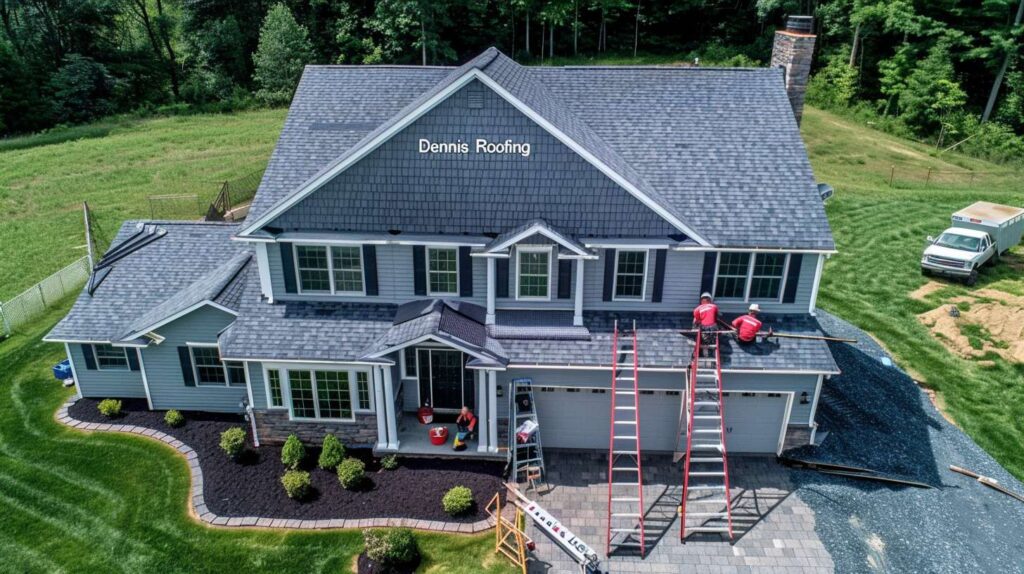
Coastal Wear Starts Before Most Bergen Beach Owners Think It Does
Three blocks from the water, I start assuming the roof has been through more than it looks like. Think of it like a delayed transit route: the problem boards somewhere at the roof edge or a flashing seam, rides along under the membrane or decking for a while, and finally announces itself through a ceiling stain two rooms over – long after anyone would have guessed where the ride began. That gap between entry and visibility is exactly what makes coastal roof wear so easy to underestimate. The surface can look intact from the street while the real damage has already been traveling.
Here’s the blunt version: Bergen Beach weather does not wait for a roof to get old before it starts testing it. For residential roofing on older two-families and the newer construction closer to the shore, salt air degrades sealants faster than inland properties see. On commercial roofing – the flat-topped buildings along Flatbush Avenue Extension and the small mixed-use properties scattered through the neighborhood – wind-driven moisture works on edges, flashing transitions, and roof penetrations constantly. The question is rarely whether coastal stress is happening. It’s whether you’re looking at the right spots before the ceiling stain makes the decision for you.
| Myth | Fact |
|---|---|
| If shingles look okay from the street, the roof is fine. | Coastal wear happens at edges, seams, and flashing – details you can’t evaluate from the curb. A roof can be failing while the field of shingles still looks presentable. |
| Leaks show up directly under the damaged spot. | Water travels along decking, rafters, and membrane layers before it drops. In Bergen Beach homes, a dining-room stain can trace back to a lifted edge three sections away. |
| Only hurricanes justify concern near the water. | Ordinary wind events off Jamaica Bay repeat dozens of times a year. Cumulative stress at flashing and seams does more long-term damage than a single dramatic storm. |
| Flat roofing problems always look obvious. | Blistering, seam separation, and membrane shrinkage can be subtle at first glance. By the time a flat roof looks dramatic, moisture has usually been spreading underneath for weeks. |
| New roof installation means no maintenance for years. | Even a brand-new roof in a coastal neighborhood needs periodic inspection, sealant checks, and gutter maintenance. Salt air and wind start working on new materials the same week they’re installed. |
Follow the Leak Path, Not Just the Ceiling Stain
Why Water Rarely Appears Where It Enters
I remember one caller telling me, “It was just one stain,” and that phrase usually means the roof has a longer story. I’m Latasha Monroe, and I’ve been translating contractor problems into plain English for Brooklyn homeowners and property managers for 17 years – which means I’ve heard that sentence a lot. One call that stays with me came just after sunrise, after a windy night off Jamaica Bay. The homeowner kept insisting the leak had to be directly above the dining room because that’s where the drip pan was sitting. When the crew arrived, the actual entry point was near the roof edge, where a section of flashing had lifted in the wind. The water had traveled before it showed itself – under the membrane, along the decking, into the room below. Bergen Beach roofs do that all the time: water comes in where the weather finds weakness, not where the stain finally appears.
So that’s the ceiling stain; now let’s talk about where roof leak detection actually starts. Likely travel routes for water in this neighborhood run under membrane seams, along roof decking toward the nearest low point, around chimney flashing where metal meets roof surface, along the framing around skylight installations, and down into wall cavities before hitting a ceiling. A proper roof leak repair in Bergen Beach doesn’t start at the stain – it starts at the last place the wind had access, the last place sealant was intact, and the last place a gutter was draining cleanly.
If the stain is in one room, are you absolutely sure the roof opened up above that same room?
| What You Notice | Likely Starting Point | Recommended Service | Why Coastal Exposure Speeds It Up |
|---|---|---|---|
| Interior stain after wind event | Lifted flashing or edge separation | Roof leak detection + flashing repair | Repeated wind off the bay loosens adhesion faster than inland roofs experience |
| Bubbling on flat roof surface | Trapped moisture under membrane | Flat roof inspection + targeted repair | Salt air and humidity accelerate membrane delamination at seams and low points |
| Leak near skylight frame | Failed surrounding waterproofing or flashing | Skylight repair + waterproofing assessment | Freeze-thaw cycles and coastal moisture crack sealants around penetrations faster |
| Recurring leak at roof edge | Drip edge failure or edge membrane pull-back | Edge repair + roof sealing review | Wind-driven rain hits edges at angles that inland properties rarely see at the same frequency |
| Overflow or pooling near roofline | Blocked or undersized gutter system | Gutter repair or gutter installation | Storm surge winds carry debris that clogs gutters faster; overflow worsens fascia and edge rot |
Flat Roof Systems Usually Whisper Before They Fail
Flat roofs especially make people think everything is fine until standing water and seam stress start arguing otherwise. One August afternoon I spoke with a small commercial property owner here in Bergen Beach who told me, “It’s only a little blistering on the flat roof, nothing dramatic.” He sounded calm. By the time the inspection was done, the membrane had already taken on more heat and moisture stress than he’d realized – coastal exposure had been speeding up the aging around seams and edges for longer than the blistering suggested. That call is a good reminder that flat roof systems – whether EPDM roofing, TPO roofing, modified bitumen roofing, or a traditional tar and gravel roof – give you signals before they fail loudly. The trick is recognizing that those signals mean something different near the water, where roof coating wear and the need for roof sealing move on a faster schedule than the spec sheet implies.
Owners watching over both commercial roofing and attached residential flat roof sections should know what to look for: blisters that start small and grow with heat cycles, seam stress at overlaps, ponding water that doesn’t drain within 48 hours, membrane shrinkage that pulls at perimeter edges, and visible coating wear that leaves the underlying layer exposed. Here’s the insider tip worth keeping: after a hot day followed by rain, check drains and perimeter seams first. Those spots show stress before the rest of the roof does – the heat expands the membrane, the rain hits cold, and any weakness in drainage or seam adhesion usually announces itself right there at the edge and at the drain collar.
Trapped moisture, repeated sun exposure, and wind stress at seams can turn a manageable roof repair into partial roof replacement faster near the water than it would anywhere inland – particularly on low-slope commercial and residential rooftops where drainage is already working against gravity.
Edges, Flashing, and Openings Are Where Coastal Stress Gets Personal
The Roof Parts Homeowners Blame Last and Should Check First
If you called me at Dennis Roofing, the first thing I’d ask is: when did you first notice it after wind or rain? That question matters because the answer almost always narrows down where to look first. One cold, rainy afternoon – right around school pickup time, when everyone’s nerves are already stretched – a Bergen Beach family called about what they were sure was a failed skylight. Towels were down, water was coming in near the frame, and the skylight was getting all the blame. But the actual problem was the surrounding waterproofing and chimney flashing that had been worn down by repeated coastal weather cycles – the skylight itself was fine. That’s the pattern with skylight repair calls, chimney flashing repair situations, and wind damage repair jobs in this neighborhood: the thing people can see is rarely the first thing that went wrong. Roof waterproofing failures, gutter installation gaps, and gutter repair needs almost always come before the visible damage does.
A loose edge on a coastal roof is like a coat button hanging by one thread – you already know what the next cold day is going to do. In Bergen Beach, with exposure off Jamaica Bay pushing wind and moisture at roof attachments and transitions repeatedly, the field of the roof tends to outlast its edges, flashing connections, and penetration seals. Homeowners near Flatbush Avenue and the blocks running toward the bay will recognize this: it’s rarely the center of the shingle roof or the middle of the flat membrane that fails first – it’s the transitions, the attachments, the spots where two materials meet. Inspection over guessing is the practical answer every time, because guessing what’s wrong and treating the wrong spot just invites the real problem to keep traveling.
Plan Service Around Exposure, Not Wishful Thinking
Honestly, my personal opinion after doing this in Brooklyn as long as I have: in Bergen Beach, waiting for perfect certainty about a roof issue usually means paying for spread. That’s not a scare tactic – it’s just what coastal exposure does to a roof that’s already showing stress. Roof maintenance and twice-yearly inspection aren’t extra; they’re how you stay ahead of a neighborhood where the weather tests your edges, seams, and drainage every season without fail. Whether you’re deciding between repair and roof replacement, or choosing a new roof material that fits low-slope coastal conditions, the conversation starts with knowing what you actually have – and that means inspection before guessing. Dennis Roofing handles residential roofing and commercial roof repair throughout Bergen Beach, and the call for storm damage repair and insurance claim roofing support works the same way: the earlier you get someone on the phone, the more options you have. Reach out for a roof inspection, an emergency roof repair, or just a practical opinion on whether repair or replacement makes sense for your property right now.
| When | What to Schedule | Why It Matters Near the Water |
|---|---|---|
| After Any Major Wind Event | Roof inspection – focus on edges, flashing, and penetrations | Wind off Jamaica Bay lifts adhesion at edges before any interior damage is visible |
| Twice Yearly (Spring & Fall) | Full roof inspection + roof sealing review | Coastal salt air degrades sealants steadily; biannual checks catch small problems before freeze-thaw exploits them |
| Annual Gutter Check | Gutter repair or cleaning; inspect fascia for moisture damage | Storm-driven debris and salt buildup clog gutters faster, pushing overflow toward edge details and foundation |
| After Winter Freeze-Thaw Season | Flat roof drain check + membrane seam inspection | Freeze-thaw cycles split sealants and open seams that coastal heat then continues to work on through summer |
| Before Hurricane Season (June) | Roof cleaning + flashing check + emergency repair backlog clearance | Any deferred small repair becomes a serious liability once storm season begins for a coastal Brooklyn property |
Do I need roof replacement or just roof repair?
Are flat roof leaks usually emergencies?
Can Dennis Roofing help with storm damage repair and insurance claim roofing?
Is a metal roof or shingle roof better near the water?
If your roof has been absorbing Bergen Beach weather for more than a couple of seasons – especially near edges, flashing, flat sections, or anywhere a skylight or chimney transitions into the field – it’s worth having someone take a real look before the next storm makes the decision for you. Call Dennis Roofing and we’ll start with an honest inspection and a straight answer on where things stand.