
Bay Ridge Homeowners Take Pride in Where They Live – the Roof Should Be Part of That
Finding a neighborhood in Brooklyn where people genuinely care about how their homes look is easy – Bay Ridge is one of them. Stoops get scrubbed, trim gets painted, and hedges stay clipped. But the roof? That’s the one part of a Bay Ridge home that tends to get postponed, deprioritized, and quietly ignored until a rainy Tuesday makes the decision for you – and by then, it’s always more expensive than it needed to be.
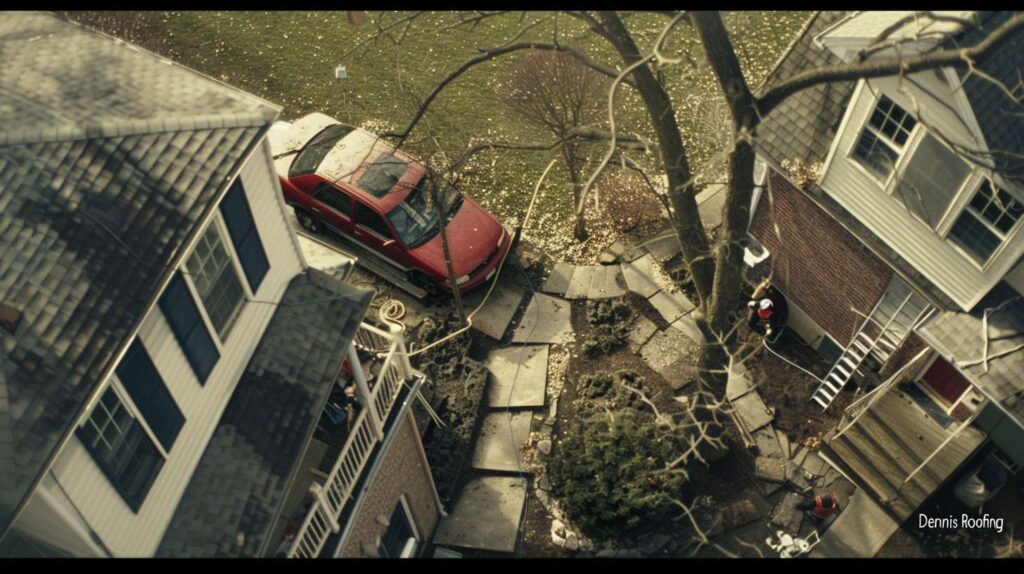
Pride of ownership should reach all the way to the roofline
Here’s my blunt opinion: a beautiful house with a neglected roof is just delayed stress. I’ve watched Bay Ridge homeowners repaint their front doors every other year, replace kitchen cabinets, and refinish hardwood floors – then wave off a roof inspection with “it’s probably nothing.” And honestly, “probably nothing” is the line I hear right before it turns into something. A roof doesn’t care how nice the rest of the house looks. Small problems – a lifted flashing edge, a cracked shingle, a gutter that’s been pulling away since last winter – don’t sit still. They compound quietly the way a balance on a credit card you’re not quite watching does: harmless for months, then suddenly all of it at once.
The consequences aren’t just structural – they’re personal. Leaks damage insulation, ruin paint, warp wood, and introduce the kind of damp smell that gets into everything. I still remember a rainy Thursday around 4:40 in the afternoon when a Bay Ridge homeowner called in a panic because water was dripping down beside a framed wedding photo in her upstairs hallway. She had put off a roof inspection for two years because the stain “wasn’t spreading fast.” By the time we got there, what could have been a modest roof leak repair had turned into interior paint damage, insulation issues, and a conversation about cost that was a lot harder than the original one would’ve been. That call stayed with me. Preventable. Totally preventable.
Quick Facts – What This Guide Helps You Decide
Best First Step
A professional roof inspection – before you decide on repair, replacement, or anything else.
Most Common Urgent Issue
Roof leak repair following wind events or heavy rain – especially on older Bay Ridge rooflines.
Most Overlooked System
Flashing and gutters – the two parts of a roof system that quietly cause the most interior damage when neglected.
Most Important Mindset
Treat the roof like part of your home’s value – not a surface you only think about when it fails.
Common Bay Ridge Assumptions That Lead to Expensive Roofing Mistakes
| Myth | Reality |
|---|---|
| “If it’s not leaking inside, the roof is fine.” | Water can travel along rafters and membrane layers for months before showing up on an interior ceiling. By then, the damage is already done. |
| “Older Brooklyn homes were built solid – the roof should last.” | The structure may be solid, but roofing materials have a lifespan. Asphalt shingles, flat roof membranes, and flashing all age independently of the building underneath them. |
| “A patch job is good enough until I can afford the full repair.” | Repeated patching on a roof that needs replacement often costs more over two or three years than doing the replacement correctly the first time. |
| “My gutters are new, so the drainage is handled.” | Gutters move water off the edge, but flashing, drainage slope, and membrane integrity determine whether water gets in first. New gutters don’t fix a failing flat roof or cracked chimney flashing. |
| “I’ll deal with it after this winter.” | Winter is exactly when marginal roofs fail. Freeze-thaw cycles, wind, and ice load turn small vulnerabilities into emergency calls – usually on the worst weather day of the year. |
What your property is telling you before the damage gets louder
Residential warning signs Bay Ridge owners should not brush off
On a Bay Ridge block with four straight rows of tidy brick homes, the roof always tells the truth. The trouble is that on attached structures – the kind that run shoulder-to-shoulder from 86th Street up toward Fort Hamilton Parkway – water doesn’t always enter where it shows up. Wind exposure off the water hits parapet walls and chimney flashings hard. Stains that appear near an attic hatch might trace back to a lifted membrane on the opposite side of the house. I’m Annette Russo, and between 19 years around Dennis Roofing crews, homeowner calls, and storm follow-ups across Bay Ridge, I’ve seen enough of these situations to tell you: the warning signs matter here specifically because the way these homes are built means damage travels fast and quietly through shared walls, old insulation, and plaster that’s already been through a lot.
One windy Sunday morning in October, I was sorting emergency calls when a man insisted his old flat roof was fine and that the problem had to be his gutters. Our crew found lifted seams and standing water on aging material that had been patched too many times. And not gonna lie – that’s a pattern I recognize immediately. Flat roofing systems get blamed on everything adjacent: gutters, flashing, the HVAC unit on the deck. But ponding water and separated seams are a flat roof problem, not a gutter problem. The gutters were fine. The roof had simply reached the end of what patching could do for it.
Residential Roofing Symptoms That Usually Point to a Deeper Issue
- ✔ Repeated leak in the same spot – even after a previous repair
- ✔ Staining near the chimney – almost always a flashing issue
- ✔ Damp or musty attic smell – moisture is already sitting somewhere
- ✔ Granules in gutters – shingles are past their useful service window
- ✔ Cracked or curling shingles – material failure, not cosmetic aging
- ✔ Soft or spongy decking feel – the structure beneath is compromised
- ✔ Standing water on a flat roof – drainage is failing, seams are at risk
- ✔ Recurring patch history – the roof may be past the point of patching
Choosing the right service is cheaper than choosing the wrong delay
Repair, replacement, and installation are not the same conversation
The first thing most Bay Ridge homeowners actually want to know is simple: do I need a roof repair, a roof replacement, or a full roof installation? Here’s how I think about it – and this is the household budgeting comparison I keep coming back to. Patching a leak on a roof that’s 12 years old with a contained problem? That’s a smart, targeted fix. Patching a roof that’s 22 years old with three previous repairs in the same area? That’s the equivalent of carrying a credit card balance you’re not planning to address. Small. Ignored. Building quietly. A new roof that resets the system is sometimes less stressful over five years than three emergency calls that each solve half the problem. The age of the materials, the number of times the same area has been touched, and the current condition of the decking underneath all tell you which conversation you’re actually in.
Here’s an insider tip I share with every property owner who calls us: the smartest estimate conversations look at the entire roof system together – surface material, what the decking is saying beneath it, flashing condition around every penetration, gutter performance, drainage slope, and anything going through the roof like a skylight or chimney stack. Why does this matter? Because I’ve seen homeowners pay for a full membrane replacement, then get hit two months later with a separate bill for chimney flashing repair and gutter corrections that were never part of the first scope. Ask for a whole-system assessment from the start. You don’t want to buy the same roof twice, one piece at a time.
A few summers ago, just after 8 a.m. on a bright Monday, I spoke with a retired teacher on a block lined with beautifully kept brick homes near Shore Road. She was planning a new roof and had come prepared – asking organized questions about asphalt shingle roofing lifespan, whether chimney flashing repair should happen at the same time, and whether gutter installation made sense as part of the same project rather than something she’d be calling about separately six months later. I loved that call because she treated the roof like part of the home’s dignity. And she was right. Bundling connected work – surface, flashing, gutters, and drainage – into one planned project almost always costs less and holds up better than stringing those jobs out over separate seasons.
Which Roofing Service Fits Which Bay Ridge Situation
| Service | Best For | Typical Signs | What Gets Addressed | Budget Mindset |
|---|---|---|---|---|
| Roof Inspection | No obvious damage but roof is aging or untested | Unknown roof history, recent home purchase, pre-winter prep | Full assessment of surface, flashing, gutters, and penetrations | Low upfront cost, prevents expensive surprises |
| Roof Repair | Localized damage on a roof with life left in it | One leak zone, cracked shingles, flashing separation | Specific damaged sections, flashing, sealant, drainage fixes | Cost-effective when the rest of the roof is sound |
| Emergency Roof Repair | Active leak or storm damage that can’t wait | Water inside home, missing shingles, debris damage | Immediate water intrusion stopped, damaged area stabilized | Urgent spend now to prevent catastrophic interior cost |
| Roof Replacement | Aging roof past the point of effective repair | Repeated leaks, 20+ year old materials, widespread wear | Full surface removal and new system installation | Larger planned investment that stops recurring repair costs |
| New Roof Installation | Addition, new construction, or full gut renovation | No existing roof, structural additions, material change | Complete system built from decking up with selected material | Long-term investment planned with full material control |
| Roof Maintenance | Any roof that’s currently sound and worth protecting | Post-storm check, annual schedule, pre-season prep | Cleaning, minor sealing, gutter clearing, inspection review | Lowest ongoing cost that extends roof life the most |
Flat and pitched roofs need different planning
Do You Need Repair, Replacement, or Just an Inspection?
Is there an active leak or water getting inside?
→ Yes: Call for emergency roof repair today. Don’t wait.
Is the roof over 20 years old or has the same area been patched more than once?
→ Yes: Start the conversation about roof replacement – repair may only delay the real decision.
Are there visible signs like lifted shingles, ponding water, or flashing failure?
→ Yes: Schedule a roof repair before the next weather event makes it worse.
No obvious problems but it’s been a few years?
→ Yes: Book a routine roof inspection and maintenance visit – find the small stuff before it finds you.
Materials matter differently on a Bay Ridge block than they do in a brochure
Choosing a roofing material based on what looks good in a catalog is a good way to end up with the wrong roof for your actual building. The right choice depends on your roof shape, how your drainage runs, how much maintenance you’re realistically going to do, and how long you plan to own the property – not on what’s trending. For residential roofing on Bay Ridge’s typical pitched structures, asphalt shingle roofing remains a proven, cost-effective option with real flexibility in lifespan and appearance. Metal roofing is gaining ground for homeowners who want durability and lower long-term maintenance. For flat roofs – which are common on attached Bay Ridge homes, rear extensions, and commercial roofing applications – the conversation usually lands on EPDM roofing, TPO roofing, modified bitumen roofing, rubber roof systems, or tar and gravel roof assemblies, each with its own maintenance profile, lifespan expectation, and drainage behavior. A good contractor helps you match material to building – not the other way around.
How Common Roofing Materials Fit Brooklyn NY Bay Ridge Properties
| Material | Pros | Cons |
|---|---|---|
| Asphalt Shingle Roofing | Affordable, widely available, good lifespan range, works well on pitched roofs | Shorter lifespan than metal; granule loss over time; not suitable for flat roofs |
| Metal Roofing | Long lifespan, low maintenance, strong wind and weather resistance | Higher upfront cost; expansion noise in temperature swings; not all homes suit the look |
| EPDM Roofing | Excellent for flat roofs, durable, handles temperature extremes well, cost-effective | Black surface absorbs heat; seams need periodic inspection; appearance not ideal for visible rooflines |
| TPO Roofing | Reflective surface helps with heat, strong seam welds, good for commercial and residential flat roofs | Seam quality depends on installation skill; not as long-established as EPDM |
| Modified Bitumen Roofing | Strong layered protection, good puncture resistance, works well on low-slope applications | Requires professional installation; not the most flexible option in extreme cold |
| Tar and Gravel Roof | Long-established system, good UV protection from gravel layer, durable on flat surfaces | Heavy, difficult to inspect for leaks, harder to repair cleanly, less flexible than newer membranes |
Before you call, get your questions and timing straight
If a hard rain started tonight, would you feel calm about your roof – or start moving buckets?
Don’t wait for the next storm to gather your information. If you’re dealing with an active roof leak, have questions about roof leak detection, or want to understand your options after storm damage repair, wind damage repair, or an insurance claim roofing situation – come to that call prepared. The same goes for anyone dealing with a skylight repair question, wondering about skylight installation, sorting out chimney flashing repair, or thinking through gutter repair or gutter installation as part of a larger project. And if your roof is sound but aging, topics like roof waterproofing, roof coating, roof sealing, and a regular roof maintenance schedule are all worth having on your list before you dial.
Before You Call – What to Have Ready
- ☑ Age of your roof, if you know it or can check records
- ☑ Location of the leak or problem area inside and outside
- ☑ When the issue started or when you first noticed it
- ☑ Photos if safely taken – from ground level or windows
- ☑ Whether a storm preceded it – timing and type of weather
- ☑ Any past repairs – what was done, when, by whom if known
- ☑ Attic signs – damp smell, staining on rafters, daylight visible
- ☑ Gutter overflow notes – where it backs up or pulls away from fascia
- ☑ Roof type involved – flat roof, shingle roof, skylight area, chimney zone, or mixed
⚠ The Real Cost of Waiting “One More Season”
- 🔴 Postponing a known leak turns a contained repair into insulation replacement, drywall work, and potential mold remediation – none of which are small line items.
- 🔴 Relying on repeated patch jobs on a roof that needs replacement costs more across two or three rounds of work than committing to the replacement the first time.
- 🔴 Ignoring ponding water on a flat roof accelerates seam failure, adds structural load, and creates conditions for mold growth that spreads below the membrane.
- 🔴 Assuming interior stains are old damage without proper roof leak detection means active water intrusion continues while you wait – quietly costing you more every wet week.
If your Bay Ridge home is worth taking pride in – and it is – the roof deserves a real look before a small problem turns into a season-ending repair bill. Reach out to Dennis Roofing today to schedule a roof inspection, get a roof repair evaluation, or start a replacement estimate while the timing is still yours to choose.