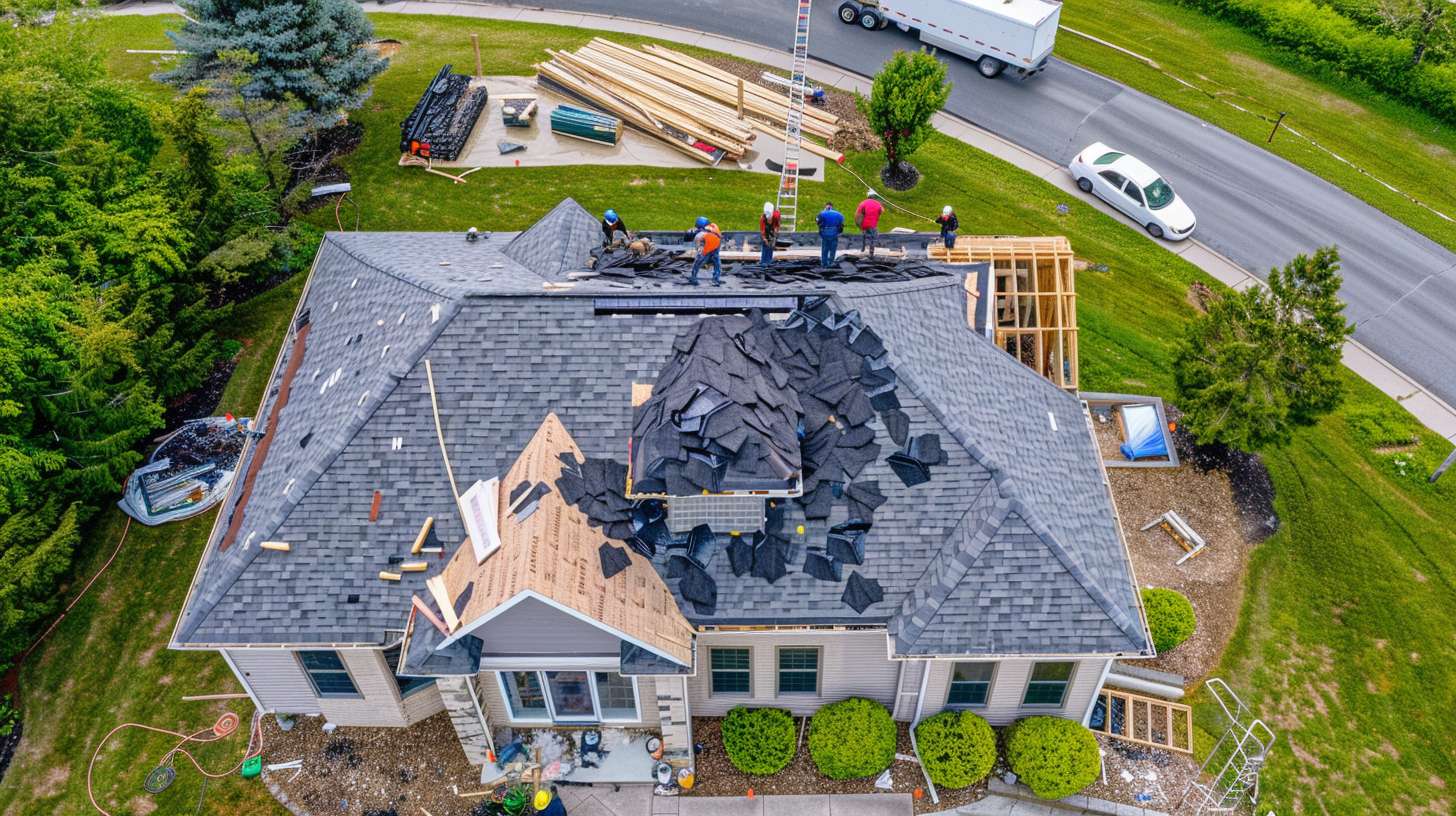
How to Read Your Roof Before Something Goes Wrong
The most expensive roofing problems are almost never the ones that announce themselves. By the time water is tracking down an interior wall or pooling on a ceiling, you’re usually weeks or months past the point where a small fix would have done it. Learning to spot early warning signs – lifted shingle edges, granule loss collecting in gutters, soft spots near a parapet wall on a flat roof, flashing that’s started to separate from a chimney or skylight curb – can mean the difference between a few hundred dollars and a full replacement conversation.
On pitched roofs, start at the gutters. Excessive granule buildup after a storm isn’t just debris – it’s a signal that the asphalt surface layer is breaking down faster than normal, which affects how long those shingles have left. On flat membrane systems, look for blistering or bubbling, which often means moisture has worked its way between the membrane layers. Neither of these is an emergency on day one, but both will become one if nothing happens.
Ventilation problems are a separate category and one most property owners don’t think about until the damage shows up. Poor attic airflow accelerates shingle aging from underneath, creates ice dam conditions in winter, and can contribute to decking rot even when the roof surface itself looks intact. A proper inspection covers the full system – not just what’s visible from the street. That’s worth knowing whether you’re scheduling a professional look or just trying to assess what you’re working with.
Getting a Roofing Estimate That Actually Tells You Something
A number on paper isn’t an estimate – it’s just a number. The estimate that protects you is one that came after someone actually got on the roof, examined the flashing detail, checked the drainage configuration, and looked at the condition of the surface and any penetrations like skylights or chimneys. Without that step, the figure you’re holding has no relationship to what the job will actually cost.
The scope matters as much as the price. What material is being used? What’s included if the decking underneath turns out to be compromised? What happens if additional damage shows up once the old surface is off? Those questions should have written answers before anyone picks up a tool. A contractor who can’t answer them in writing before the job starts is a contractor whose number will grow after the job is underway.
Storm damage estimates have an extra layer of complexity. Hail and high-wind events can affect shingles and membrane seams in ways that don’t show up on a street-level look – and what gets documented in the estimate is often what determines what an insurance claim pays out. Vague damage descriptions produce vague settlements. Specific documentation – cracked shingle tabs, lifted flashing, membrane adhesion failure at specific seams – gives the adjuster something concrete to work with. That’s worth asking about when you’re getting quotes after a storm.
Roofing Reads Worth Your Time
Every article here comes from a question we’ve been asked on a job, a pattern we’ve noticed across the roofs we inspect, or a repair scenario that keeps showing up in ways that tell us most property owners don’t have the full picture.
Aluminum Roofing for Your Home – Here’s What the Material Actually Offers I say this
Read More »
Time to Replace Your Aluminum Roof – Here’s What a Proper Replacement Involves Most aluminum
Read More »
An Aluminum Roof That’s Showing Wear Isn’t Finished Yet – Here’s What We Do Clear.
Read More »
Aluminum Roofing Needs a Contractor Who’s Worked With the Material – Here’s Why Every aluminum
Read More »
How Long Should a Roofing Quote Actually Take? Here’s What’s Normal and What Isn’t What
Read More »
How Many Roofing Quotes Should You Get? Here’s an Honest Answer Years of ignoring this
Read More »
Thinking About DIYing Your Roof? Here Are the Reasons Most People Hire a Pro Instead
Read More »
Before You Sign Anything, Here’s What to Actually Look For in a Roofing Contractor Normal-Looking
Read More »
Essential Questions to Ask Roofing Contractor Before Hiring Most Brooklyn homeowners make the same mistake
Read More »
There Are a Lot of Ways to Find a Roofer – Here’s the One That
Read More »
The subjects range from maintenance basics (what flat roof upkeep actually involves versus what people assume) to more specific topics like how chimney flashing fails, what metal roofing looks like after 10 years compared to asphalt, and how to evaluate whether storm damage justifies a full replacement or a targeted repair. If you’re a homeowner trying to make a real decision, or a property manager responsible for a building you don’t want to think about until you have to, the goal is to give you enough real information to make a smarter call – not to scare you into calling us.
Questions We Get From People Reading These Guides
What You'll Actually Find Here
Most roofing content online reads like it was written by someone who’s never been on a roof. Our guides come from jobs we’ve run – diagnostic calls where the leak turned out to be 12 feet from where the water stain appeared, replacements where pulling back the old surface revealed rot the previous contractor had laid right over, inspections that saved a property owner from a repair bill that would have tripled by spring. That’s what informs the writing here.