
Brooklyn Slate Roof Replacement Pricing: What to Expect
A complete slate roof replacement in Brooklyn runs between $38,000 and $65,000 for a typical two-story brownstone (1,800-2,400 square feet), $28,000 to $42,000 for a smaller townhouse (1,200-1,600 square feet), and $75,000 to $140,000+ for larger homes or landmarked properties requiring specialized materials and approval processes. This massive range exists because slate roof replacement cost isn’t just about the material-it’s about accessing row house roofs with complicated scaffolding and crane requirements, navigating Landmarks Preservation Commission regulations, dealing with structural framing that’s been holding up hundred-pound slate for a century, and choosing between imported versus salvaged versus synthetic slate that can swing your quote by $15-20 per square foot.
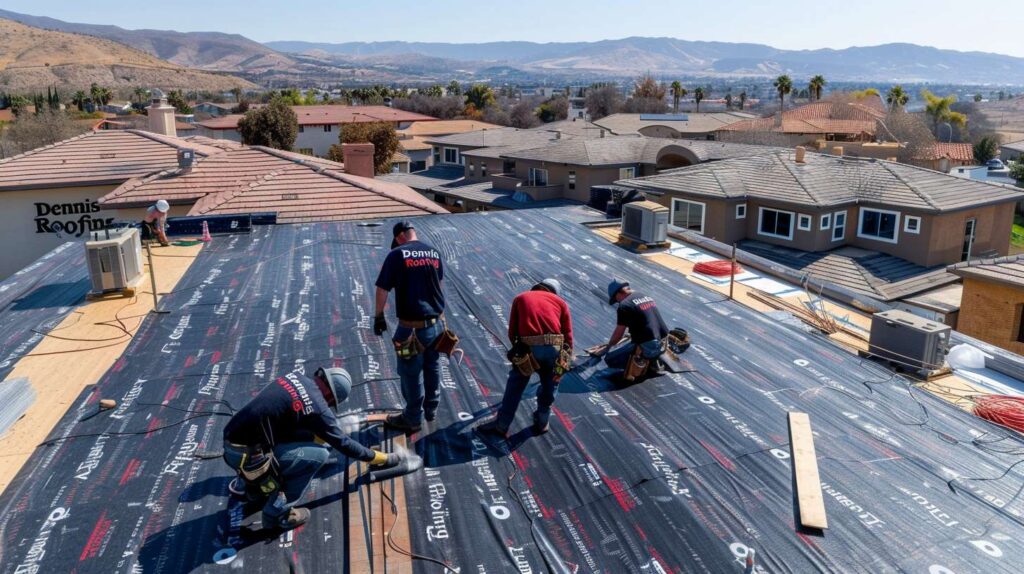
Breaking Down Cost Per Square Foot
Slate roof replacement pricing in Brooklyn typically ranges from $22 to $55 per square foot installed, compared to $4-8 per square foot for asphalt shingles. That massive spread reflects four major variables I see shift quotes dramatically: the slate itself ($8-$28 per square foot materials only), labor complexity ($8-$18 per square foot depending on roof pitch and height), structural reinforcement needs ($2-$12 per square foot when decking or framing requires upgrading), and access equipment ($3-$9 per square foot when scaffolding, permits, and crane lifts get factored in).
When I walk a homeowner through their estimate, I break it into these buckets because understanding where your money goes makes the total number less overwhelming. A standard-grade natural slate from Vermont or Pennsylvania runs $800-$1,100 per square (100 square feet), while premium Welsh or Spanish slate hits $1,800-$2,400 per square. Salvaged architectural slate-which I source from demolished buildings upstate-lands somewhere in the middle at $1,100-$1,600 per square but requires more sorting and occasional supplemental purchasing when quantities don’t match perfectly.
The labor portion accounts for removal, disposal, substrate preparation, flashing fabrication, and installation. On a straightforward two-story brownstone with moderate pitch, I estimate 3.5 to 5 days of work with a four-person crew, translating to roughly $12,000-$17,000 in labor. Add complexity-dormers, multiple roof planes, steep pitch over 8/12, or a three-story building-and that number climbs to $18,000-$26,000. On a Clinton Hill brownstone last spring, we bid a relatively simple 2,100-square-foot roof at $44,800 using Pennsylvania black slate. The homeowner across the street with an identical footprint but a mansard section and two chimneys? That quote came in at $61,200.
Slate Material Choices and Their Price Impact
Natural slate quality varies significantly, and cheaper slate almost always means shorter lifespan. The $800-per-square Pennsylvania slate I mentioned will give you 60-80 years with proper installation and maintenance. Move up to $1,200-per-square Vermont unfading green or gray, and you’re looking at 100+ years-slate that will outlive two or three generations of your family. Premium imported slate from Welsh quarries, which costs $1,800-$2,400 per square, can last 150-175 years and carries a visual uniformity and color consistency domestic slate rarely matches.
Synthetic slate has entered the conversation more in the past five years, particularly DaVinci and EcoStar products that run $900-$1,300 per square installed. I’m cautious recommending them in landmark districts where authenticity matters, but for non-landmarked homes in Bensonhurst or Bay Ridge where the goal is “slate look on a tighter budget,” quality synthetics perform well. They’re lighter-critical when your 1920s roof framing is marginal-and installation moves 20-30% faster because roofers aren’t handling fragile stone. The tradeoff? Thirty-to-fifty-year lifespan instead of a century-plus, and resale perception among buyers who know the difference.
Salvaged slate deserves special mention because it’s uniquely suited to Brooklyn’s historic housing stock. When I source reclaimed slate from a demolished church or institutional building, I’m typically paying $5-$9 per piece depending on size and condition, which works out to $1,100-$1,600 per square after sorting and accounting for breakage. The visual payoff is significant-you get genuine weathered patina and often larger format tiles (14×24 or 16×24 instead of standard 12×18) that match the scale of original brownstone roofing. The challenge is availability and the extra labor in sorting, testing, and occasionally mixing sources to hit your required square footage.
Structural and Substrate Costs
Most Brooklyn brownstones were built between 1870 and 1930, and the roof framing reflects lumber dimensions and engineering practices from that era. Slate weighs 800-1,000 pounds per square-roughly ten times the weight of asphalt shingles-which means your existing structure needs to handle that load or be upgraded to do so. When I’m estimating a slate roof replacement, I always include a line item for “structural assessment and contingency” because roughly 40% of the time, we discover undersized rafters, deteriorated decking, or compromised connections once the old roof comes off.
Full roof decking replacement with 3/4-inch plywood or tongue-and-groove boards adds $4-$7 per square foot to your project. If we’re also reinforcing rafters or adding collar ties to distribute weight properly, figure another $3-$8 per square foot depending on the extent of work. On a 2,000-square-foot roof, that’s potentially $14,000-$30,000 in structural work before the first piece of slate goes down. It’s painful to hear when you’re already looking at a $50,000 project, but skipping necessary framing upgrades leads to sagging, cracked slate, and premature failure of a roof that should last a century.
I also budget for solid sheathing upgrades even when framing is sound. Old plank decking with gaps between boards needs either a plywood overlay or skip-sheathing replacement to provide the continuous nailing surface slate requires. This runs $2.50-$4 per square foot and prevents the “telegraphing” issue where uneven substrate causes slate to crack at edges or corners over time.
Access, Scaffolding, and Equipment Costs
This is where Brooklyn slate roof replacement cost diverges sharply from suburban projects. Attached row houses mean we can’t simply lean ladders and work from all sides-we need full scaffolding systems, sidewalk sheds (when required by DOB), crane lifts for material delivery, and often street parking permits for our trucks and dumpsters. For a typical brownstone, scaffolding runs $4,500-$8,500 depending on duration and height. Three-story buildings or homes requiring rear-yard access (because the front is under landmark restrictions) can push that to $9,000-$14,000.
Material hoisting is another hidden cost that suburban roofers don’t face. We can’t back a truck up to your building and hand-carry slate bundles up a ladder-we’re renting a boom truck or material hoist for $1,200-$2,400 per day. On a standard installation, that’s 1-2 days of equipment rental, but complicated sites stretch it longer. A Park Slope corner lot I worked last fall required boom truck access on two separate days (one for tear-off debris removal, one for slate delivery) because we couldn’t stage materials on the narrow sidewalk overnight, adding $2,100 to the quote.
Dumpster and disposal costs for slate run higher than asphalt because the weight fills containers faster. Figure $800-$1,400 for debris removal on a typical brownstone, more if we’re also hauling out old decking, framing lumber, or multiple layers of previous roofing. And in many Brooklyn neighborhoods, we’re paying $150-$350 for DOT permits to occupy parking spaces or close sidewalks during construction-small line items that add up fast.
Landmarks and Historic District Requirements
If your home sits in a designated historic district-Fort Greene, Brooklyn Heights, Prospect Heights, Clinton Hill, Park Slope, or Cobble Hill among others-your slate roof replacement requires Landmarks Preservation Commission approval. This adds $2,500-$5,000 to your project budget when you factor in architectural drawings, materials specifications, submission fees, and potential consultant costs if the work involves visible changes to the streetscape. LPC review typically takes 45-90 days, so plan accordingly.
Landmarks approval also restricts your material choices. You can’t substitute synthetic slate in most cases-you’re installing natural slate that matches the original in color, size, thickness, and installation pattern. If your 1885 brownstone had Vermont unfading green slate laid in a graduated pattern (larger tiles at eaves, smaller at ridge), that’s what you’re replicating. This removes some of the lower-cost options I’d otherwise present and occasionally requires custom slate sizing that bumps material costs 15-25%.
The flip side? LPC oversight ensures quality work that maintains your home’s architectural integrity and, frankly, protects resale value. Buyers paying $2-4 million for a landmark brownstone expect historically appropriate materials and craftsmanship. Cutting corners here damages your investment far more than the upfront premium costs.
Additional Components That Affect Total Cost
Slate roofing exists as part of a complete system, and I never quote slate replacement without addressing flashings, underlayment, valleys, and chimneys. These components determine whether your $50,000 roof lasts 80 years or starts leaking in fifteen.
Copper flashing is the gold standard for slate roofs and what I recommend for any brownstone worth the investment. Copper step flashing, valleys, aprons, and ridge caps add $8-$15 per linear foot, translating to $3,500-$7,000 on a typical installation. Some contractors quote cheaper galvanized steel ($3-$6 per linear foot) or aluminum ($4-$7 per linear foot), but these materials corrode or fail long before your slate does, forcing expensive partial roof tear-offs to replace flashing while the slate is still sound.
Underlayment choices matter more than most homeowners realize. Standard felt paper ($0.15-$0.25 per square foot) is code-minimum but inappropriate under premium slate. I install synthetic underlayment ($0.45-$0.75 per square foot) or rubberized ice-and-water shield in valleys and at eaves ($1-$1.50 per square foot) because these products provide the decades-long water resistance your slate deserves. On a 2,000-square-foot roof, this upgrade adds $600-$1,000 but prevents the scenario where your $60,000 slate is fine but water’s infiltrating through deteriorated underlayment.
Chimney work frequently gets bundled into slate replacement quotes because scaffolding’s already in place. Repointing costs $800-$1,800 per chimney depending on height and condition. Full chimney rebuilds (necessary when mortar’s failed and bricks are spalling) run $3,500-$7,500. Crown replacement, cap installation, and flashing integration add another $600-$1,200. I had a Boerum Hill project where the chimney work alone added $8,900 to the slate replacement-but addressing it simultaneously saved the homeowner at least $3,000 versus mobilizing scaffolding separately later.
Real Project Cost Examples
| Project Location | Roof Size | Slate Type | Key Variables | Total Cost |
|---|---|---|---|---|
| Park Slope Two-Story | 1,850 sq ft | Pennsylvania Black | Standard pitch, minimal structural work, two chimneys | $47,200 |
| Clinton Hill Brownstone | 2,100 sq ft | Vermont Unfading Gray | LPC approval required, copper valleys, one dormer | $58,400 |
| Bay Ridge Single-Family | 1,400 sq ft | Synthetic DaVinci | Simple gable roof, good access, non-landmark | $31,800 |
| Brooklyn Heights Landmark | 2,800 sq ft | Salvaged Architectural | Three-story, complex scaffolding, full decking replacement | $89,600 |
| Prospect Heights Row House | 1,650 sq ft | Pennsylvania Gray-Green | Rear access only, crane required, moderate structural work | $52,300 |
Where You Can (and Can’t) Save Money
After seventeen years estimating slate replacements, I’ve learned exactly where cost reductions make sense and where they backfire expensively. Timing your project is the easiest savings lever-late fall through early spring (November through March) sees 10-15% lower demand, and contractors including Dennis Roofing offer better rates to keep crews working. We’ll also prioritize your schedule instead of squeezing you between peak-season jobs. I’ve saved homeowners $4,500-$8,000 simply by scheduling their slate replacement in January instead of June.
Bulk slate ordering reduces costs when we’re already placing a quarry order. If your neighbor two doors down also needs slate replacement and we can coordinate timing, we’re ordering 35-40 squares instead of 18-20, which drops per-square pricing $40-$85. This saved a block in Carroll Gardens about $3,200 per house when three owners coordinated replacements within a six-week window.
Reusing sound existing slate in hidden areas works when we’re replacing a roof that’s failing in sections but has salvageable material. I’ll use reusable slate on back slopes or behind parapets where visual uniformity matters less, reserving new slate for the street-facing facade. This typically saves 15-20 squares of new material, worth $1,800-$3,400 depending on slate grade.
Where you can’t save without compromising the roof: flashing quality, structural work, and installer experience. I’ve seen homeowners accept quotes $12,000-$18,000 below ours because another contractor proposed aluminum flashing instead of copper, skipped the structural assessment, or planned to use a crew that normally does asphalt shingles. Eighteen months later, they’re calling because flashing’s corroding, slate’s cracking from inadequate substrate, or installation details are allowing water infiltration. Slate replacement done right costs what it costs-the only real variable is material selection and project timing.
Financing and Payment Structure
Most Brooklyn homeowners finance slate roof replacement through home equity lines, cash-out refinances, or specialized home improvement loans. Dennis Roofing works with several lenders who understand these projects and offer terms specifically for major capital improvements-typically 4.5-7.5% interest over 10-15 years. On a $55,000 slate replacement financed at 6% over 12 years, you’re looking at monthly payments around $550-$600.
Our standard payment structure requests 30% deposit when permits are filed and materials ordered, 40% at project midpoint (usually when tear-off is complete and new slate installation begins), and final 30% upon completion and inspection. This protects both parties and ensures cash flow for materials and labor without requiring full payment upfront. For landmark projects with extended timelines, we’ll sometimes structure payments around LPC approval milestones and material delivery rather than construction phases.
Timeline Expectations
A typical Brooklyn brownstone slate replacement takes 8-12 working days from tear-off to final cleanup, spread over 2-4 weeks depending on weather and access logistics. This assumes materials arrive on schedule, no major structural surprises emerge, and weather cooperates. Landmark projects add 6-12 weeks for LPC review before any physical work begins.
Weather delays are inevitable-we can’t install slate in rain or when temperatures drop below 35°F because adhesives and sealants won’t cure properly. Spring and fall offer the most reliable working windows. Summer’s fine except for the occasional multi-day storm system, and winter’s workable during mild stretches but unpredictable. When I’m scheduling slate replacements, I pad timelines 15-20% to account for weather and tell homeowners upfront that a December start date might stretch into February if we hit a cold snap.
What Your Quote Should Include
A legitimate slate roof replacement quote breaks down every cost component-you shouldn’t see a single lump-sum number with no detail. At minimum, expect line items for slate materials (with grade and source specified), labor separated by phase (removal, structural work, installation), underlayment type and cost, flashing materials and linear footage, scaffolding and equipment rental, permits and disposal, and chimney or dormer work if applicable. Dennis Roofing includes material specifications, manufacturer warranties, workmanship warranty terms, payment schedule, and estimated timeline in every proposal.
Ask about structural contingencies. Any contractor who doesn’t mention potential framing or decking issues either isn’t experienced with century-old Brooklyn buildings or isn’t being straight with you. We include a provisional line item-typically $3,500-$7,500-that’s only billed if structural work proves necessary once the old roof’s removed. This prevents the sticker shock of discovering mid-project that you need $8,000 in framing reinforcement nobody mentioned.
Verify insurance coverage specifics. Slate installation requires general liability minimums of $2 million and workers’ compensation for all crew members. Any contractor working on your $2 million brownstone without proper coverage exposes you to catastrophic liability if someone’s injured on your property.
Long-Term Value Perspective
The hardest part of my job is explaining why a homeowner should spend $55,000 on a slate roof when three contractors have quoted $14,000 for architectural shingles. The math is straightforward but requires thinking in decades rather than years. Quality slate lasts 80-100+ years with minimal maintenance-maybe $800-$1,200 every 15-20 years for flashing touch-ups and replacing a handful of cracked tiles. Architectural shingles last 20-25 years, meaning you’ll replace that roof three to four times over the slate’s lifespan at $16,000-$22,000 per replacement.
Run the numbers: $55,000 for slate today, or $14,000 now plus $18,000 in twenty years, $22,000 in forty years, and $26,000 in sixty years (accounting for inflation). The slate wins financially around year forty-five, and you’ve still got thirty to fifty years of life left in it. More importantly, you’ve avoided three disruptive construction projects, protected your home’s historic character, and added value that discriminating brownstone buyers recognize and pay premiums for.
When I walk Carroll Gardens or Fort Greene and see a beautifully maintained slate roof on a 1890s brownstone, I know that roof might be original or might be a replacement from 1960-and it’ll likely still be there in 2080. That’s the perspective that makes slate roof replacement cost feel less like an expense and more like an investment in your home’s next century.