
“`html
Brooklyn Roofing and Skylight Contractor Services You Can Trust
Here’s the mistake I see constantly: a homeowner notices their skylight is foggy or cracked, calls a window company, gets a beautiful new unit installed-and then calls me three months later when water starts dripping down their wall. The problem? The window crew swapped the glass but left the old flashing, curb, and counter-flashing from 1987 sitting right where it was. Pretty new skylight, same leaking roof. That’s exactly why you need a roofing and skylight contractor who understands that your skylight isn’t a window sitting on your roof-it’s part of your roof system, and every piece has to work together to keep Brooklyn weather where it belongs.
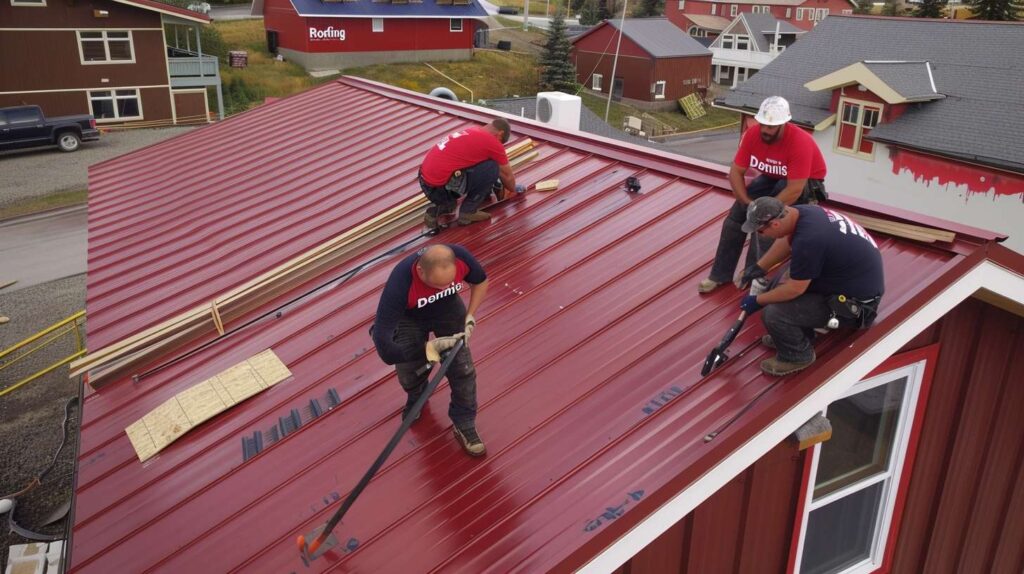
I’m Diego Campos, lead roofing and skylight specialist at Dennis Roofing. For the past 15 years, I’ve been installing, repairing, and replacing roofs and skylights on Brooklyn brownstones, brick rowhouses, and loft conversions from Park Slope to Bushwick. I design every skylight detail from the roof up-the curb height, flashing layers, drainage paths, and glass specifications-so the entire assembly moves, expands, and sheds water correctly through freeze-thaw cycles, summer storms, and everything else we get hit with in this borough.
Why Your Skylight Is a Roofing Problem (Not a Window Problem)
Most homeowners think of skylights as fancy windows. But structurally, they’re roof penetrations-holes cut through your weather barrier-and every penetration needs multiple waterproofing layers that tie into your roofing membrane, shingles, or rubber. When I look at a leaking skylight on a Park Slope brownstone, I’m not staring at the glass. I’m checking the step flashing that runs up each side, the head flashing across the top, the apron at the bottom, and whether the counter-flashing was cut into the original roofing correctly. Then I’m looking at the curb itself: is it still square? Has the wood rotted? Is the height appropriate for snow and debris to clear?
A window contractor doesn’t carry copper coil, Code 3 lead-coated copper, Ice & Water Shield, or the tin snips to custom-fabricate chimney-style cricket flashing for a skylight on a steep 10:12 pitch roof. A roofing and skylight contractor does. That’s the difference. We build the waterproof envelope first, then drop the glass unit into a system that’s already sealed six ways from Sunday.
On a Bushwick loft conversion last spring, the homeowner had installed four Velux skylights through a general contractor two years earlier. Beautiful units-motorized blinds, Low-E glass, the works. But every single one leaked around the curb because the GC’s framing crew built short curbs (only 4 inches above the EPDM membrane instead of the required 8 inches for a flat roof), and water pooled against the aluminum flashing during heavy rain. We tore out all four curbs, rebuilt them to proper height, installed new EPDM base flashing with termination bars, and re-set the skylights. No leaks since. The skylights were fine. The roofing integration was garbage.
What a Full-Service Roofing and Skylight Contractor Does
When Dennis Roofing handles a skylight project-whether it’s a new install, replacement, or leak repair-we manage the entire roof-to-glass system. That means:
- Roof Assessment: Before we touch your skylight, we evaluate the existing roof membrane, decking, and drainage. A new skylight on a roof that needs replacement in two years is a waste of money.
- Structural Framing: We frame or rebuild curbs to the correct height and pitch, using pressure-treated lumber and blocking that ties into your roof joists. The curb has to be square, level, and solidly attached-otherwise, your skylight will rack and leak.
- Multi-Layer Flashing: We install Ice & Water Shield as the first defense, then metal step flashing (aluminum, copper, or lead-coated copper depending on your roof type and budget), then counter-flashing that’s integrated into your existing roofing material. Every layer overlaps correctly so water flows down and out, never back under the roof.
- Skylight Selection and Installation: We help you choose the right skylight for your roof type, pitch, and interior space-fixed, venting, tubular, or flat-deck units-and install according to manufacturer specs so your warranty stays intact.
- Interior Finishing Coordination: We work with your carpenter or plasterer to detail the light shaft, trim, and drywall returns so the skylight looks finished from below and the vapor barrier stays continuous.
Over a Bay Ridge brick rowhouse last fall, we replaced two old Velux skylights that had been leaking for years. The previous installer (not a roofer) had nailed the units directly to the roof deck with no curb, no step flashing-just a bead of tar around the edge. We built proper 2×6 curbs, flashed them into the existing asphalt shingle roof with aluminum step and Code 3 copper apron flashing, installed new Velux VS M08 venting skylights, and tied everything into a new ridge vent system we were adding as part of a partial re-roof. The homeowner went from two persistent ceiling stains to a dry, bright second-floor hallway with controllable ventilation.
Common Roofing and Skylight Projects We Handle in Brooklyn
Here’s what most of our skylight calls look like, broken down by project type:
| Project Type | What’s Involved | Typical Cost Range | Timeline |
|---|---|---|---|
| Skylight Leak Repair | Remove skylight, inspect/replace flashing and curb, re-install or replace glass unit, seal and test | $800-$2,400 | 1 day |
| Single Skylight Replacement | Remove old unit, rebuild curb if needed, install new flashing system, install new skylight (Velux, Fakro, or custom), interior trim | $2,200-$4,800 | 1-2 days |
| New Skylight Install | Cut roof opening, frame curb, install multi-layer flashing, set skylight, interior light shaft framing and drywall | $3,500-$6,500 | 2-3 days |
| Flat-Roof Skylight (Curb-Mount) | Build tall curb (8-12″), integrate with EPDM or TPO membrane, install flat-glass skylight with high dome, flashing and cant strips | $4,200-$7,200 | 2-3 days |
| Roof + Multiple Skylights Package | Full roof replacement (shingles, rubber, or metal) plus 2-4 new skylights installed with coordinated flashing during re-roof | $14,000-$32,000+ | 4-7 days |
Costs vary based on roof access (do we need scaffolding for a four-story brownstone?), skylight size and type (a 22″ x 46″ fixed unit costs less than a 44″ x 46″ electric venting unit with rain sensors), curb condition (can we re-use it or does it need to be torn out and rebuilt?), and interior work (is the light shaft already framed or do we need to coordinate with a carpenter?).
Roofing and Skylight Solutions for Different Brooklyn Building Types
Brooklyn’s housing stock is wildly diverse, and each building type brings different skylight challenges:
Brownstones and Brick Rowhouses: Most have steep-pitch slate, tile, or asphalt shingle roofs with rear extensions covered in flat EPDM or tar. Skylights typically go into the flat rear section (easy access, good light into kitchens and back bedrooms) or occasionally into the steep main roof (trickier flashing, but dramatic light into front parlor floors). The biggest issue? Old chimneys and parapets that complicate flashing and drainage. On a Clinton Hill brownstone last year, we installed two Velux deck-mount skylights into the third-floor rear slope, and had to custom-fabricate a copper cricket above the upper unit to divert water around an unused chimney. That cricket detail-basically a tiny metal roof that splits water flow-is what keeps the skylight dry long-term.
Loft Conversions and Flat-Roof Buildings: Bushwick, Williamsburg, and Sunset Park have tons of converted industrial buildings with flat or nearly flat roofs (1:12 to 3:12 pitch). Skylights here sit on tall curbs above EPDM, TPO, or built-up tar roofs. The curb height is critical-8 inches minimum, 12 inches if you’re in a high-snow or ponding area-because flat roofs hold water temporarily during heavy rain. We see a lot of cheap curb-mount skylights with inadequate height that leak during nor’easters when water backs up around the perimeter. A proper flat-roof skylight install includes a pressure-treated curb with blocking, full EPDM base flashing with termination bars and lap sealant, cant strips to direct water away, and either a domed acrylic unit or a flat-glass skylight with a raised outer dome for drainage.
Single-Family Homes and New Construction: Bay Ridge, Dyker Heights, and Marine Park have lots of newer single-family homes with steep asphalt or architectural shingle roofs. These are the easiest skylight installs-clean decking, predictable joist spacing, and room to frame light shafts without hitting ductwork. We install a lot of Velux and Fakro deck-mount skylights in these homes, usually in master bathrooms (venting models for moisture control) and over staircases (fixed units for natural light). The key is matching the skylight flashing kit to your shingle type and installing it in the correct shingle sequence so every layer sheds water downhill.
When to Repair vs. Replace Your Skylight
Not every leaking skylight needs replacement. Here’s how I decide:
Repair makes sense when: The glass unit is less than 15 years old, in good shape (no cracks, no broken seals causing condensation between panes), and the leak is clearly coming from failed flashing or a rotted curb-not the skylight itself. We’ll pull the unit, rebuild or re-flash the curb, and re-install the existing skylight. Cost: $800-$2,400 depending on how much carpentry and flashing work is needed. I did this on a Prospect Heights brownstone two months ago-20-year-old Velux skylight, perfect glass, but the original installer had used roofing tar instead of step flashing. We stripped it down, installed proper copper step flashing and Ice & Water Shield, and re-set the same unit. Solved.
Replace when: The skylight is 20+ years old, the glass seal is broken (condensation, fogging), the frame is cracked or warped, or it’s a cheap builder-grade acrylic dome that’s yellowed and leaking in multiple spots. At that point, you’re better off investing in a new energy-efficient unit with Low-E glass, better insulation, and a current warranty. Modern skylights are light-years better than 1990s models-better U-values, argon gas fills, and flashing systems that actually work. We also replace when homeowners want to upgrade from fixed to venting (huge improvement for bathrooms and attics) or from manual to electric operation with rain sensors.
Full roof + skylight replacement when: Your roof is at end-of-life (20+ years for asphalt shingles, 15-20 for EPDM, varies for slate and tile) and you’ve been thinking about adding or replacing skylights. This is the ideal time. We’re already tearing off the old roof, exposing the decking, and installing new underlayment and shingles or membrane-so integrating new skylights into that process is seamless. The flashing gets built into the new roof layers from the start, and you don’t pay twice for mobilization, scaffolding, or access. On a Windsor Terrace Cape Cod last summer, we did a full architectural shingle roof replacement and added three new Velux skylights (one in each upstairs bedroom) as part of the same project. Total cost was about $18,500-less than if they’d done the roof one year and skylights the next.
Skylight Types and What Works Best on Brooklyn Roofs
Not all skylights are created equal. Here’s what I recommend based on roof type, pitch, and what you’re trying to accomplish:
Deck-Mount Skylights (Velux, Fakro): These are the workhorses for steep-pitch roofs (4:12 and steeper). They sit flush with your shingles, come with integrated flashing kits, and are available in fixed, manual venting, or electric venting models. Sizes range from 21″ x 27″ (tiny) up to 44″ x 46″ (massive). I install more Velux VS (manual vent) and VSS (electric vent with rain sensor) models than anything else. They’re bulletproof, the flashing kits are well-designed, and the warranties are real. For a master bathroom skylight, always go venting-you need that moisture exhaust. For a hallway or stairwell, fixed is fine and saves $400-$600.
Curb-Mount Skylights (Flat Roof Specialists): These sit on a raised curb above flat or low-slope roofs. The skylight frame bolts to the curb, and flashing integrates with your EPDM, TPO, or tar roof. Most use either domed acrylic (cheaper, more prone to yellowing) or flat tempered glass with a raised outer dome for drainage (more expensive, longer-lasting, better clarity). On loft conversions and flat-roof extensions, I strongly recommend the flat-glass versions from VELUX, FAKRO, or specialty manufacturers like Wasco-they look better from below, don’t discolor, and handle thermal expansion better. Expect to pay $1,200-$2,800 per unit plus installation.
Tubular Skylights (Solatubes, Velux Sun Tunnels): These are 10″ or 14″ diameter tubes that run from a small roof dome down through your attic or ceiling cavity to a diffuser lens in your interior room. They’re excellent for bringing daylight into interior bathrooms, closets, or hallways that don’t have exterior walls. The roof penetration is small (easier flashing, less risk), and they cost less than full skylights-$650-$1,400 installed depending on tube length and roof type. The downside? No view, no ventilation, and the light quality is more diffuse. But for a dark powder room in the middle of your brownstone’s second floor, a Sun Tunnel is a game-changer.
Custom Skylights and Sloped Glazing: For high-end renovations-think Cobble Hill parlor-floor gut-rehabs or Carroll Gardens rear yard extensions-we sometimes work with architects who spec custom skylight systems: multi-panel glass assemblies, motorized retractable units, or entire sloped-glass roof sections. These require engineered structural framing, custom aluminum extrusions, and commercial-grade flashing. We partner with specialty glazing contractors on these, handling the roofing integration while they manage the glass and mechanical systems. Costs start around $12,000 and go up fast, but the results are stunning.
How Flashing Really Works (and Why It Matters More Than the Skylight)
If I could make every Brooklyn homeowner understand one thing, it’s this: flashing prevents leaks, not skylights. The glass unit just sits there looking pretty. The flashing is doing all the work.
Proper skylight flashing is a multi-layer system. From the roof deck outward, here’s what you should have:
- Ice & Water Shield: A self-adhering rubberized membrane that wraps up the curb sides at least 6 inches. This is your first line of defense-it seals around nails, conforms to irregularities, and stops water even if the metal flashing fails.
- Step Flashing: L-shaped metal pieces (aluminum, copper, or lead-coated copper) that run up each side of the skylight, with each piece overlapping the one below it and tucked under each course of shingles. Water hits the shingles, runs onto the step flashing, and drains down and away from the curb. Each step flashing piece should be at least 4″ x 4″ with a 1.5″ bend, and they should never be nailed through the top surface (only the flange under the shingles).
- Head Flashing: A continuous piece across the top of the skylight that tucks under the shingles and overlaps the top step flashing pieces. This handles water coming down the roof above the skylight.
- Apron Flashing: A wide metal pan at the bottom of the skylight that directs water out onto the shingles below. On steep roofs, this is critical to prevent water from running back under the bottom edge of the curb.
- Counter-Flashing: Metal flashing that covers the top edges of your step and head flashing, often bent into a drip edge that directs water away from seams. On shingle roofs, the counter-flashing is usually just the shingles themselves overlapping the metal. On flat roofs with EPDM, you’ll have membrane counter-flashing or termination bars with lap sealant.
Every penetration-vents, pipes, chimneys, skylights-gets flashed with the same principle: multiple overlapping layers, all oriented to shed water downhill, with no exposed fasteners or upward-facing seams. When I see a leaking skylight, it’s almost always because one of these layers is missing, installed backwards, or rotted out.
Real Skylight Problems I See All the Time
Condensation mistaken for leaks: Homeowner calls panicked about water dripping from their skylight. I show up, and the skylight is bone-dry on the outside-but soaked on the inside glass. That’s condensation, not a roof leak. It happens when warm, humid interior air hits cold glass in winter, especially with older single-pane or low-quality double-pane skylights. Solution: upgrade to a Low-E argon-filled unit with better insulation, improve attic ventilation, or add a dehumidifier if it’s a bathroom skylight. Not a roofing problem, but important to diagnose correctly.
No curb (direct deck-mount on flat roofs): Someone installed a skylight flat on the roof deck with no raised curb, thinking they’d save money. Water pools around it during rain, leaks start immediately, and the wood decking rots. There’s no fix except tearing it out and building a proper curb. I’ve seen this three times in Bushwick alone.
Undersized flashing: Builder used the wrong flashing kit-maybe one designed for a 6:12 pitch roof installed on a 10:12 pitch, so the step flashing pieces aren’t tall enough and water runs behind them. Or they used aluminum flashing on a copper gutter system, and galvanic corrosion ate through the aluminum in five years. Details matter.
Rotted curbs: The skylight is fine, but the 2×6 wood curb underneath has rotted out from 20 years of trapped moisture. The skylight sags, racks out of square, seals break, and leaks begin. We see this on skylights original to 1980s and 1990s construction. The fix: remove the skylight, tear out the curb, rebuild with pressure-treated lumber and ice dam membrane, re-flash, and re-install the skylight (or upgrade to a new one while we’re at it).
Working with Dennis Roofing: What to Expect
When you call us for roofing and skylight work, here’s the process:
Free Inspection and Estimate: I come out, get on your roof (safely-harness, ladder stabilizers, the works), inspect the skylight, flashing, curb, and surrounding roof area. I take photos, measure, and check interior staining patterns if there’s a leak. Then I sit with you, show you the photos on my tablet, explain what’s going on, and give you options with upfront pricing. Repair vs. replace. Budget vs. premium materials. DIY interior finishing vs. full-service. No pressure, no upselling-just honest information so you can make the right call for your home and budget.
Scheduling and Permitting: Most skylight repairs and replacements don’t require permits in Brooklyn, but new installs sometimes do (especially if we’re cutting roof joists or doing structural work). We handle permit applications if needed, pull the permits, and coordinate inspections. For simple jobs-replacing an existing skylight in the same opening-we can usually schedule within 2-3 weeks depending on season. For complex jobs or full roof replacements with multiple skylights, lead times can be 4-8 weeks during spring and summer (peak roofing season).
Installation Day: We show up on time with a full crew, set up roof protection (tarps, plywood walkways to avoid damaging shingles), and work efficiently. Most single skylight replacements or repairs take one day. New installs take 1-2 days depending on interior light shaft work. We clean up daily-no nails in your driveway, no debris in your yard. If weather turns bad mid-job, we tarp and secure everything so your home stays dry overnight. Every installation gets a final water test: we set up a hose and spray the skylight and flashing for 15-20 minutes while someone checks the interior. If it passes, we’re done. If it doesn’t, we find the issue and fix it before we leave.
Warranty and Follow-Up: Skylight manufacturers provide their own warranties (Velux offers 10 years on glass and 20 years on flashing kits). Dennis Roofing provides a workmanship warranty on our installation-typically 5 years on labor and flashing integration. If you have a leak related to our work, we come back and fix it at no charge. We also do an optional 1-year follow-up inspection to check flashing and sealant, especially on new installs or complex jobs.
Why Brooklyn Roofs and Skylights Are a Specialized Skill
Brooklyn roofing is different from suburban roofing. Our buildings are older, taller, closer together, and more diverse. Access is harder-tight driveways, no front yards, neighbors three feet away. Many roofs haven’t been maintained in decades. When we’re installing a skylight on a 100-year-old Park Slope brownstone, we’re dealing with original roof framing, knob-and-tube wiring, horsehair plaster ceilings, and six layers of old roofing that should’ve been torn off years ago. You need a roofing and skylight contractor who knows how to integrate modern waterproofing into historic structures without causing new problems.
I learned this trade from an old-school tin-knocker who taught me to fabricate custom flashing by hand, solder copper seams, and read how water moves across a roof just by looking at stain patterns. That kind of knowledge doesn’t come from a weekend certification course. It comes from 15 years of standing on steep roofs in Brooklyn weather, fixing other people’s mistakes, and figuring out why some skylights stay dry for 30 years while others leak after three months.
If you’re dealing with a leaking skylight, planning a new install, or considering a full roof replacement with upgraded daylighting, call Dennis Roofing. We’ll give you straight answers, fair pricing, and work that keeps your home dry and bright for the long haul. Because your skylight isn’t just a window-it’s a critical part of your roof system, and it deserves to be treated that way.
“`