
Metal Roofing for Your Home – Here’s What to Look for in a Contractor
Start With the Scope, Not the Sales Pitch
You don’t have to become a roofing expert to avoid a bad outcome – you just need to recognize that the biggest risk in a residential metal roofing contractor project usually isn’t the metal itself. It’s hiring someone who treats a specialty system like a routine shingle tear-off, then leaving you with expensive gaps nobody wants to own. Four lines into an estimate, I can usually tell what kind of job this is going to be. Let’s separate the shiny part from the important part – because a polished presentation full of color samples and manufacturer names can look impressive while hiding everything that actually matters.
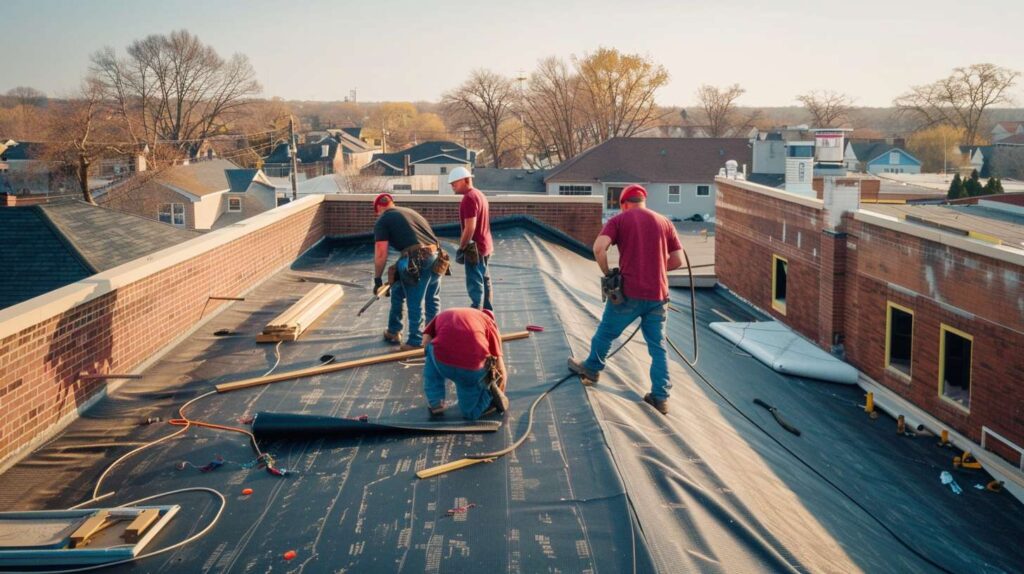
A complete estimate spells out tear-off assumptions, deck repair allowances, underlayment type and brand, flashing scope at every penetration, trim and accessory work, ventilation adjustments, who fabricates custom pieces, cleanup and disposal, and who holds the workmanship warranty. Carla Ndukwe, with 14 years spent sorting out residential metal roofing contractor jobs across Brooklyn, has learned that missing line items create expensive surprises – and that a plain, thorough proposal beats a glossy one every time. I would rather see a one-page estimate that answers every question than a ten-page deck that dances around deck prep and calls out “materials as needed” for anything complicated.
| Estimate Item | What a Trustworthy Proposal Says | What a Risky Proposal Usually Says |
|---|---|---|
| Roof Deck Inspection Notes | Full deck inspection included; damaged or soft sections priced per square foot at $X | “Deck repair as needed” |
| Underlayment Specification | Self-adhering high-temp underlayment, [specific product], installed to manufacturer spec | “Standard materials” |
| Fastening Pattern | Fastener type, spacing, and layout described per panel profile and wind zone requirements | “Industry standard install” |
| Flashing / Chimney Detail Scope | Custom step flashing, counter flashing, and cricket fabrication included; crew identified | “Flash as required” |
| Skylight Transition Plan | Curb flashing, pan liner, and metal integration detailed by name with responsible party listed | “Owner supplied if needed” |
| Ventilation Modifications | Current intake/exhaust assessed; adjustments to balance airflow noted with product specs | “Ventilation not included” |
| Trim / Accessory Fabrication | Custom-bent trim pieces fabricated on site or in-house shop; listed by location and linear footage | “Trim included” |
| Crew Responsibility | In-house crew identified by name or role; subcontractor disclosure provided if applicable | “Licensed professionals” |
| Cleanup / Disposal | Daily cleanup, magnet sweep, and haul-off included; dumpster placement plan noted | “Site left clean” |
| Workmanship Warranty Owner | Contractor holds workmanship warranty; duration, callback process, and contact listed explicitly | “Warranty per manufacturer” |
⚠ Don’t Confuse Page Count With Clarity
A long estimate isn’t the same as a detailed one. Watch for these phrases – they look professional and say almost nothing:
- “Owner supplied if needed” – shifts unknown costs onto you without warning
- “Industry standard install” – no fastening pattern, no profile-specific method, no accountability
- “Flash as required” – tells you nothing about who fabricates what, where, or how
- “Warranty per manufacturer” – without naming who owns the workmanship portion, nobody does
Question the Crew Behind the Panels
Who Fabricates the Tricky Pieces
If you were sitting across from me in Brooklyn, the first question I’d ask is this: who is actually doing the metal work? Not the company name – the crew. A qualified residential metal roofing contractor should be able to tell you whether the installers are in-house, subcontracted, or a mix, and specifically who handles valley metal, chimney flashing, skylight transitions, and edge details. That’s where Brooklyn homes expose weak crews fast. Bay Ridge row houses with shared walls and tight rear access, Crown Heights rowhouse transitions with parapet details, Marine Park ranches with older chimneys and low pitches – these conditions don’t forgive rushed or inexperienced installers. I remember standing in Bay Ridge at about 7:10 in the morning, coffee still too hot to drink, while a homeowner showed me three gorgeous metal roof color samples she’d picked online. The samples were fine, but the quote she got never mentioned underlayment type, ventilation changes, or who was handling the trim details around her chimney. A metal roof can look premium on paper and still be poorly planned in real life.
Who Answers When a Detail Fails
That sounds important, but here’s the part I’d pay attention to first: accountability after install. Ask who supervises the crew on site, who inspects the fastening pattern as it goes down, who signs off on deck condition before panels go on, and who comes back if movement or leaking shows up in year two. Product branding won’t answer that question for you. The contractor’s name on a callback form will. Don’t let a polished sales conversation substitute for a direct answer about workmanship responsibility – those are two very different conversations.
Listen for Red Flags in How They Talk About Performance
Let me be plain: a beautiful panel means nothing if the details around it are sloppy. The real performance conversation – the one that rarely comes up during a sales visit – covers sound, thermal movement, fastening layout, deck condition, ventilation balance, and the underlayment system underneath it all. One November afternoon in Marine Park, right before the temperature dropped, I got a call from a couple who said their new metal roof was “singing” all night in the wind. When I pulled their paperwork, the installer had rushed fastening patterns and glossed right over deck condition during the estimate. I still think about the husband trying to laugh it off while clearly regretting that he’d gone with the lowest bid on Atlantic Avenue without asking harder questions first.
I once watched a customer get sold on color before anyone mentioned ventilation. That’s not unusual – and it’s a real problem, because the way your attic breathes changes when you replace an old shingle system with a tightly installed metal one. Ask how airflow is affected, whether intake and exhaust stays balanced after the install, and whether the contractor is evaluating condensation risk or just exterior appearance. Here’s an insider move worth doing: ask the contractor to point to the exact line in the written proposal where ventilation assessment and deck prep are addressed. If they can’t find it quickly, the estimate isn’t ready – and neither are they.
| Myth | Real Answer |
|---|---|
| “Metal roofs are all basically installed the same way.” | Standing seam, exposed fastener, and metal shingle systems all require different fastening methods, expansion allowances, and flashing approaches. Crew experience with the specific profile you’re buying matters. |
| “Noise means the material is bad.” | Noise usually signals a fastening or deck preparation problem, not a defective panel. A properly installed metal roof with the right underlayment is no louder than shingles – often quieter. |
| “Ventilation is separate from roofing – the HVAC company handles it.” | A metal roof installation changes how your attic breathes. The roofing contractor needs to assess current intake and exhaust balance and flag any changes – that’s part of the job, not a separate trade. |
| “The manufacturer warranty covers bad detail work.” | Manufacturer warranties typically cover the panel coating and material, not workmanship. If flashing is poorly installed or deck prep was skipped, that’s a contractor issue – and manufacturer warranties routinely exclude it. |
| “A lower bid is fine if the panel brand is premium.” | A premium panel installed without proper underlayment, correct fastening, and detailed flashing will fail faster than a mid-grade panel installed correctly. The brand doesn’t protect you from shortcuts. |
Bring a Hard Checklist to the Final Conversation
Questions That Force Clear Answers
Here’s the blunt truth most people only hear after a problem starts: by the time a skylight edge leaks or a chimney corner opens up, everybody starts pointing somewhere else – unless responsibility was locked down before a single panel went on. I was on a follow-up in Crown Heights after a cold rain, and the homeowner handed me a folder so thick it looked like a mortgage closing packet. Funny thing was, all those pages still didn’t clearly say who was responsible if flashing failed around the skylight transition. That job taught me that paperwork can be long without being useful, and a contractor who can’t answer “who owns this detail?” before the job starts won’t answer it better after water gets in.
The right contractor won’t get irritated by direct questions – clear scope protects both sides, and a professional knows it. Ask hard, specific questions before you sign anything, and watch whether the answers come quickly and confidently or whether you get a lot of redirection toward the panel brand and the financing options. That tells you a lot.
If a contractor cannot explain the edge details in plain English, do not let them learn on your house.
✔ Before You Hire: Metal Roofing Contractor Checklist – Brooklyn, NY
- Confirm current license and general liability + workers’ comp insurance. Ask for certificates – not just verbal confirmation.
- Request two recent local residential metal roofing references. Brooklyn jobs preferred. Ask specifically about detail work and cleanup.
- Get the underlayment product name and spec in writing. “Standard underlayment” is not an answer. Ask for the brand and installation method.
- Ask who fabricates and installs the flashing. In-house or subcontracted? Get a name and a process, not a general assurance.
- Ask how deck damage is priced if discovered during tear-off. You want a per-square-foot rate in writing – not a surprise change order mid-job.
- Ask who the on-site supervisor is and how they inspect the install. A supervisor’s name and role should be in the contract, not just implied.
- Ask what ventilation changes, if any, are expected after install. If they haven’t thought about it, that’s a flag.
- Ask who owns leak callbacks and what the response window is. This should be in the workmanship warranty section – not a verbal promise.
- Ask whether trim and accessories are custom-bent or off-the-shelf. Custom-bent pieces fit better at transitions. Know what you’re getting.
- Ask for cleanup and disposal language in the written contract. Dumpster placement, daily sweep, and haul-off should all be addressed before the crew shows up.
Common Questions Before Choosing a Metal Roofing Contractor
A metal roof is a serious investment, and the planning behind it matters as much as the panel you pick. At Dennis Roofing, we walk Brooklyn homeowners through scope, detail work, and the questions worth asking before anything gets signed – because a well-planned job protects everyone. If you want a second set of eyes on a proposal you’ve already received, or you’re just starting to sort through bids, reach out to Dennis Roofing and let’s look at the details together before you commit.