Expert Residential Aluminum Roofing Services in Brooklyn
What if your next roof was the last one you ever had to put on your Brooklyn home? That’s the promise of residential aluminum roofing-a system that can outlast three or four asphalt replacements while keeping your top floor cooler in August and your heating bills lower in February. For homeowners across Brooklyn, from Carroll Gardens brownstones to Bay Ridge colonials, aluminum roofing isn’t just about longevity; it’s about finally matching performance to the investment you’ve made in your home.
What Residential Aluminum Roofing Actually Looks Like
Let me clear up the biggest misconception first: when most Brooklyn homeowners hear “metal roof,” they picture corrugated panels on a warehouse in Red Hook. Modern residential aluminum roofing looks nothing like that. The profiles we install-standing seam panels, interlocking shingles, and even shake-style tiles-blend so naturally with neighborhood architecture that neighbors often don’t realize you’ve switched materials until you mention it.
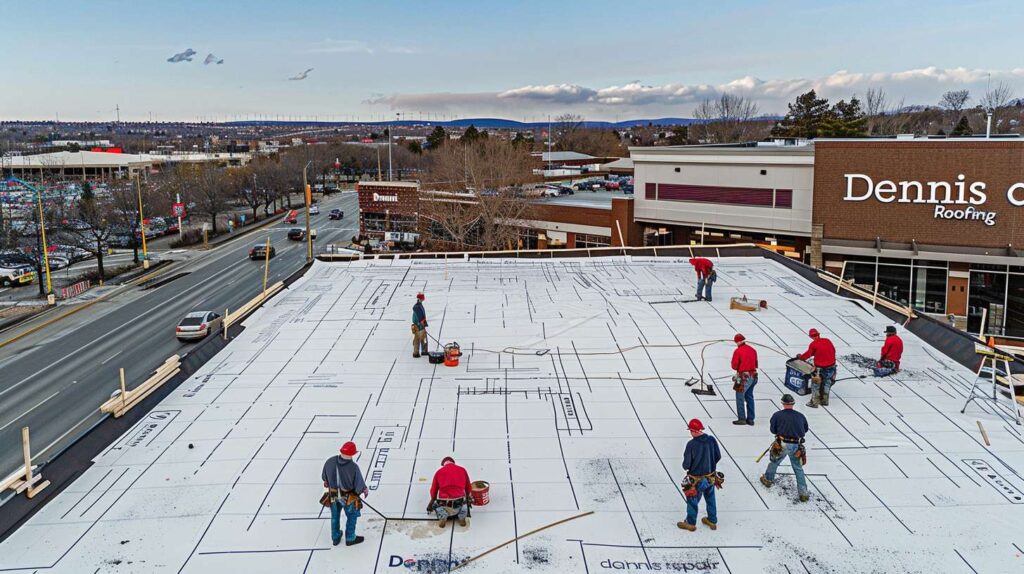
I worked on a Park Slope brownstone two years ago where the owner wanted to preserve the Victorian character while finally solving chronic leaks around the cornice. We installed aluminum shingles that mimicked the original slate pattern, complete with shadow lines and a charcoal finish that aged into the existing facade. At street level, visitors couldn’t tell the difference. On the top floor, the tenant immediately noticed her bedroom stayed ten degrees cooler during July heat waves.
That’s the real story of residential aluminum roofing in Brooklyn: it solves practical problems-leaks, ice dams, summer heat gain-without announcing itself visually. The material comes in dozens of profiles and factory-baked finishes, from matte black to terra cotta to weathered copper green, so you can match your block’s character while upgrading the performance envelope of your entire home.
Why Aluminum Outperforms Other Roofing Materials in Brooklyn
Brooklyn weather is brutal on roofs. We get summer temperatures that bake asphalt shingles brittle, winter freeze-thaw cycles that crack tiles, and coastal humidity from the Atlantic that rusts steel faster than you’d expect. Aluminum sits in a sweet spot: it weighs one-third what slate or concrete tile weighs, it doesn’t rust like steel, and it expands and contracts at rates our installation systems can easily accommodate.
The numbers tell the story. A quality asphalt roof in Brooklyn lasts 15-20 years before you’re patching regularly. Clay tile can hit 40 years if the underlayment holds up and no delivery truck vibrates the ridge caps loose. Residential aluminum roofing, installed with proper fasteners and thermal breaks, routinely reaches 50-60 years-and the material itself is fully recyclable when you finally do replace it, unlike the tons of petroleum-based shingles that end up in landfills.
But durability isn’t the only advantage. Aluminum reflects solar radiation far better than dark asphalt, which matters enormously if you live in a top-floor apartment or converted attic space. I’ve measured attic temperatures on identical Flatbush Victorians-one with black asphalt, one with light gray aluminum standing seam-and found a 30-degree difference on a sunny August afternoon. That means your AC unit runs half as often, your top-floor bedroom is actually livable, and your cooling bills drop by 20-35% over the summer.
Cost Reality for Residential Aluminum Roofing in Brooklyn
Let’s talk money, because this is where homeowners either move forward or walk away. In Brooklyn, residential aluminum roofing costs $14-$22 per square foot installed, depending on profile, color, and roof complexity. For a typical 1,800-square-foot home-common in Ditmas Park or Midwood-you’re looking at $25,000-$40,000 total.
Compare that to asphalt replacement at $8,000-$14,000, and yes, aluminum costs more upfront. But here’s the calculation that changes minds: over 50 years, you’ll replace that asphalt roof three times-call it $35,000-$50,000 total when you account for inflation and the rising cost of disposal fees in NYC. The aluminum roof? You install it once. You inspect it every five years. You maybe replace a fastener or two after a severe storm. That’s it.
The return on investment gets even better when you factor in energy savings. One Bay Ridge client tracked her cooling costs for three summers before we installed a white aluminum standing-seam roof, then tracked three summers after. Her annual savings averaged $680. Over 50 years, that’s $34,000 in today’s dollars-which essentially pays for the entire roof upgrade.
| Material | Cost per Sq Ft (Installed) | Lifespan | 50-Year Total Cost | Energy Impact |
|---|---|---|---|---|
| Asphalt Shingles | $4.50-$7.75 | 15-20 years | $35,000-$50,000 | High heat absorption |
| Residential Aluminum | $14-$22 | 50-60 years | $25,000-$40,000 | 20-35% cooling savings |
| Clay Tile | $12-$18 | 35-45 years | $30,000-$48,000 | Moderate insulation |
| Slate | $18-$30 | 60-100 years | $32,000-$54,000 | Excellent durability |
Noise, Weather, and the Details That Matter
The second-biggest concern I hear: “Won’t rain sound like a drum solo on metal?” Not if it’s installed correctly. Modern residential aluminum roofing uses a multi-layer approach-the aluminum panels sit on synthetic underlayment, which sits on solid decking, with insulation in the attic space below. That combination deadens sound better than you’d expect. During a heavy rain, you’ll hear a soft patter, quieter than rain on old wood shingles, nowhere near the racket of exposed barn metal.
I always tell clients: if you can hear normal conversation in your attic during a rainstorm before we start, you won’t have a noise problem after we install aluminum roofing. If your attic already sounds like the inside of a kettledrum during storms, we need to add sound-dampening underlayment and possibly spray-foam insulation-but that’s an attic insulation problem, not a roofing material problem.
Wind resistance is another strength. Brooklyn gets coastal storms off the Atlantic, and a poorly fastened asphalt roof can lose dozens of shingles in one Nor’easter. Aluminum panels interlock and fasten to the deck at 12-16-inch intervals, creating a continuous weather barrier that’s rated for winds up to 140 mph. I’ve inspected aluminum roofs in Coney Island and Sheepshead Bay after hurricanes-areas that took direct hits-and found them intact while neighboring asphalt roofs needed complete replacement.
Profile Options for Different Brooklyn Home Styles
Standing seam is the profile most people picture when they think “metal roof”-vertical panels with raised seams running from ridge to eave. It’s clean, modern, and exceptionally weathertight because there are no exposed fasteners. I recommend standing seam for contemporary homes, flat-roofed rowhouses getting a pitched roof addition, and any home where minimalist design matters more than historical mimicry.
For classic Brooklyn brownstones, Victorian homes in Ditmas Park, or Tudor revivals in Kensington, aluminum shingles or shakes work better visually. These profiles replicate the look of slate, wood shake, or even Spanish tile, but they install on battens that allow airflow beneath the panels-which prevents ice dams in winter and heat buildup in summer. A Prospect Heights client wanted to keep the Arts and Crafts character of his 1910 home intact; we used aluminum shakes in a weathered bronze finish that looked identical to the original cedar but will still be on that roof when his grandchildren own the house.
Corrugated and ribbed panels are less common in residential Brooklyn but work beautifully on modern additions, garage roofs, and homes where industrial design is intentional. One client in Gowanus-a converted warehouse loft-wanted the roof to match the building’s history. We installed corrugated aluminum in a rust-patina finish that honored the structure’s past while giving it a 50-year future.
Installation Details That Separate Good from Mediocre
The quality of a residential aluminum roofing installation comes down to three things: deck preparation, thermal movement accommodation, and flashing details. Let me explain each in plain terms.
Deck preparation means making sure the plywood or board sheathing underneath is solid, dry, and flat. Aluminum panels telegraph every dip and wave in the substrate, so we fix those issues before the first panel goes on. We also install a high-quality synthetic underlayment-not asphalt felt-which provides a secondary water barrier and allows the roof to breathe.
Thermal movement is the fancy term for how aluminum expands and contracts with temperature changes. A 20-foot panel can grow or shrink a quarter-inch between a 15-degree February morning and a 95-degree July afternoon. Cheap installations use rigid fasteners that don’t allow movement, which leads to panel buckling, fastener fatigue, and leaks. Proper installation uses clips and sliding fasteners that let the panels move while keeping them securely attached. This isn’t optional-it’s the difference between a 50-year roof and a 15-year mistake.
Flashing details-around chimneys, skylights, dormers, and roof-to-wall transitions-are where most roof leaks start, regardless of material. With aluminum, we fabricate custom flashing from the same coil stock as the panels, so everything matches and there are no dissimilar-metal reactions that cause corrosion. I’ve torn off roofs where the previous contractor used galvanized steel flashing with aluminum panels; the galvanic reaction between the two metals ate through the flashing in under ten years. Details like that don’t show up in the sales pitch, but they define how long your roof actually lasts.
Energy Performance Beyond the Obvious
Everyone knows light-colored roofs reflect more sun than dark roofs, but the energy story with residential aluminum roofing goes deeper. Aluminum has a low thermal mass, meaning it heats up quickly in the sun but also cools down quickly at night. Asphalt and tile absorb heat all day and radiate it into your attic all evening, keeping the space hot until midnight. Aluminum stops absorbing the moment the sun drops below your neighbor’s roofline.
When we add reflective coatings-factory-applied finishes with high solar reflectance and high thermal emittance-the performance jumps even more. A white or light gray aluminum roof with an Energy Star-rated finish can reflect 70-80% of solar radiation. For Brooklyn homeowners with finished attic spaces or poorly insulated top floors, this upgrade alone can make a bedroom usable without cranking the AC to arctic levels.
We’re also seeing more clients pair aluminum roofing with rooftop solar panels. Aluminum is strong enough to support the racking systems without additional reinforcement, and the panels themselves can last as long as the roof, so you’re not pulling off solar equipment to re-roof in 20 years. One Carroll Gardens client installed a 6-kilowatt solar array on his new aluminum roof; between the reflective roofing and the solar production, his summer electric bills dropped from $240 a month to under $30.
Maintenance and What to Expect Over Decades
Residential aluminum roofing requires almost no maintenance, but “almost none” isn’t zero. Every five years, you should inspect fasteners, check flashing seals, and clear any debris from valleys. If a tree branch falls during a storm, repair it promptly-aluminum won’t rust, but a puncture still needs patching. Annual gutter cleaning matters, too; clogged gutters cause water to back up under the roof edge, which can damage the underlayment even if the panels themselves are fine.
The factory finish on aluminum panels is baked on and UV-stable, so it won’t fade like paint. Over 25-30 years, you might see slight color shift-a dark bronze might lighten a shade-but it’s gradual and uniform, not the blotchy fading you get with cheap asphalt shingles. If you ever do want to refresh the appearance, you can have the panels professionally recoated without removing them, something impossible with other roofing materials.
I inspected a Bensonhurst home last year where the aluminum roof was installed in 1978-42 years old. The panels were still straight, the seams were still tight, and aside from some surface chalking on the finish, the roof was functionally perfect. The owner wanted to replace it anyway because he was selling the house and thought buyers would want “new,” but I advised him to clean it, show the inspection report, and sell it as a feature. He did. The buyer loved that the roof had four decades left.
Working with Dennis Roofing on Your Aluminum Roof
At Dennis Roofing, we approach every residential aluminum roofing project by starting with your home’s architecture and your neighborhood’s character. We bring samples to your house, hold them against your siding and trim, and show you exactly how each profile and color reads from the street. We don’t push one product; we explain the trade-offs-cost, appearance, performance-and let you decide what fits your priorities.
Our installation crews have been with us for years, not weeks, and they understand that Brooklyn homes have quirks-chimneys that lean slightly, roof decks with three layers of old material, cornice details that require custom fabrication. We plan for those challenges upfront, so the project stays on schedule and on budget. And we pull permits, coordinate with landmarks commissions when necessary, and leave your property cleaner than we found it-details that matter when you’re living in the house during construction.
Residential aluminum roofing is a significant investment, but it’s one that pays back in comfort, durability, and curb appeal every year you live under it. If you’ve been patching the same leaks every winter, if your top floor feels like a sauna every summer, or if you’re simply tired of budgeting for the next roof replacement, aluminum might be the last roofing decision you ever make. And in a borough where homes are built to last generations, that’s exactly the kind of permanence that makes sense.