
Essential Questions to Ask Roofing Contractor Before Hiring
Most Brooklyn homeowners make the same mistake during roofing estimates: they sit through a walk-through, nod along to everything the contractor says, look at the bottom-line number, and ask about the start date. That’s it. Three months later, when the “complete roof replacement” they paid for doesn’t include new flashing around the chimney-and water is now leaking into their top-floor bedroom-they realize what that polite silence just cost them. The fix? An extra $1,800 and another two weeks of work that should have been included from day one.
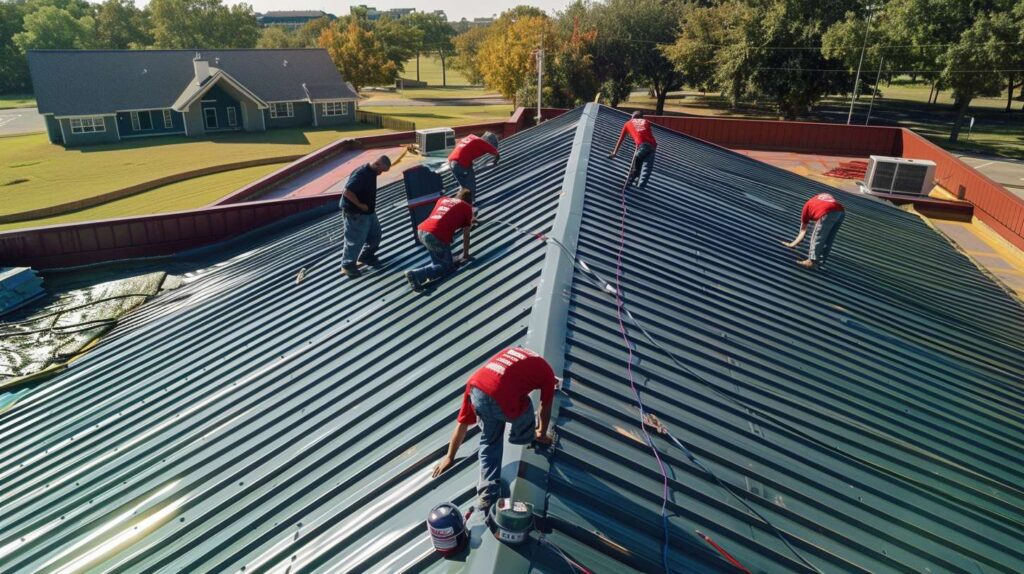
After nineteen years running roofing jobs across Brownstone Brooklyn, Crown Heights, Park Slope, and Bay Ridge, I can tell you the honest truth: the quality of questions you ask during the estimate matters more than anything else. Not because you’re trying to trick anyone or catch them lying-but because you don’t know what you don’t know. And what you don’t know will absolutely cost you money, time, and peace of mind.
Here’s what to ask, why it matters, and the exact words that get straight answers.
The Foundation Question: What Exactly Is Included in Your Scope of Work?
This is where everything starts. Not price. Not timeline. Scope.
“Can you walk me through exactly what’s included in this estimate-every material, every step of the work, and what’s not included?”
Then stay quiet and let them talk. What you’re listening for isn’t just the list of tasks-it’s how specific they get. A solid contractor will reference the inspection notes, point to problem areas on the roof or in photos, and break down each phase: tear-off, deck inspection and repair, underlayment type, shingle brand and model, flashing details, ventilation work, cleanup, and disposal.
Last summer, I watched a Bed-Stuy homeowner compare three estimates for a flat roof replacement. Two bids came in around $8,200. One was $11,400. She almost went with the cheaper option until she asked this question. Turns out the low bids didn’t include new tapered insulation, which her roof absolutely needed for proper drainage-just a thin recovery board. The higher bid included two inches of tapered polyiso, proper crickets around the rooftop HVAC units, and a 60-mil TPO membrane instead of 45-mil. She would’ve paid the $8,200, then paid another $4,500 six months later to fix ponding water issues. The “expensive” estimate was actually the best value.
Follow up with: “Can you put all of that in writing in the contract, with specific product names and brands?”
If they hesitate or say “that’s all standard,” that’s your red flag. Nothing is standard in Brooklyn roofing. Every building is different.
Licensing, Insurance, and Who’s Actually Doing the Work
Let’s get the paperwork questions out of the way because they matter, even though they’re boring.
“Are you licensed and insured to work in New York City, and can I see current certificates for both your general liability and workers’ compensation insurance?”
In New York, roofing contractors need a Home Improvement Contractor license issued by the NYC Department of Consumer and Worker Protection. They should be able to show you that immediately-either a physical copy or pull it up on their phone. General liability should be at least $1 million (most carry $2 million). Workers’ comp is non-negotiable if they have employees.
Here’s the thing nobody tells you: ask for the insurance company’s contact information, then call and verify the policy is active. Takes three minutes. I’ve seen fake certificates that look perfect-printed on nice paper, official logos, the works-but the policy number doesn’t exist. It happens more than you’d think.
“Who will be doing the actual work-your crew or a subcontractor?”
There’s no right or wrong answer here, but you need to know. Some excellent roofing companies use trusted sub crews for certain jobs. That’s fine. What’s not fine is when the guy who gave you the estimate has no relationship with the crew that shows up, which means when something goes wrong, nobody takes responsibility. If they use subs, ask how long they’ve worked together and whether the sub carries their own insurance.
Then add: “Will there be a foreman or project lead on site every day, and can I have their direct contact information?”
You want a name and a number before work starts. Not the office line-the actual person running your job.
Materials: Don’t Let “Builder Grade” Become Your Problem
This is where contractors save money at your expense, and most homeowners never see it coming.
“What specific brand and model of shingles (or membrane, for flat roofs) are you using, and what’s the warranty on the material itself?”
For shingle roofs, there’s a world of difference between GAF Timberline HD and GAF Timberline HDZ, or between a CertainTeed Landmark and a Landmark Pro. We’re talking 10 to 15 years of lifespan difference and wind ratings that matter during Brooklyn’s increasingly wild summer storms. If they just say “architectural shingles,” push for the exact product line.
For flat roofs: is it EPDM, TPO, or modified bitumen? What thickness? A 45-mil TPO membrane on a high-traffic Brooklyn flat roof that doubles as your summer hangout spot will fail years before a 60-mil or 80-mil membrane. The cost difference? Maybe $800 to $1,200 on an average roof. The replacement cost when the thin membrane cracks? The entire job over again.
“What warranty do you offer on your workmanship, separate from the material warranty?”
Material warranties cover manufacturing defects. Workmanship warranties cover installation mistakes-flashing that wasn’t sealed right, shingles that weren’t nailed to spec, seams that weren’t overlapped properly. You want both. A good workmanship warranty in Brooklyn runs 5 to 10 years minimum. Anything less than three years is a warning sign. At Dennis Roofing, we stand behind our installations with a 10-year workmanship guarantee because we know our crews do it right the first time.
Permits, Inspections, and NYC Building Department Reality
“Does this job require a permit, and who’s pulling it-you or me?”
In New York City, most full roof replacements and structural repairs require a permit from the Department of Buildings. Some small repair jobs don’t, but if you’re tearing off old roofing and installing new, you probably need one. The contractor should handle this. It’s their responsibility, and the permit fee should be included in the estimate (usually $200 to $500 depending on the scope).
If a contractor tells you permits aren’t necessary when you’re doing a complete replacement, walk away. That’s either ignorance or intentional corner-cutting, and either way, it becomes your problem when you try to sell your house and the buyer’s attorney asks for permit records during due diligence.
“Will the work be inspected, and what happens if it doesn’t pass?”
Permitted work gets inspected. Sometimes the inspector shows up, sometimes they don’t, but the contractor needs to be prepared and confident about their work meeting code. If they seem nervous about inspections or suggest ways to “avoid the inspector,” you’re talking to the wrong person.
The Money Questions: Payment Schedule and Change Orders
Here’s where homeowners get squeezed if they don’t set clear terms up front.
“What’s your payment schedule, and what’s due upfront?”
Reasonable deposit: 10% to 25% to secure your spot on the schedule and order materials. Red flag: anything over 50% upfront. In New York, it’s actually illegal to ask for more than one-third down or $1,000 (whichever is less) before work begins on home improvement contracts under $5,000. For larger jobs, the law allows up to one-third.
A typical Brooklyn roofing payment schedule looks like this:
- 20% deposit when you sign the contract
- 40% when materials arrive and tear-off begins
- 30% at substantial completion (roof is weather-tight and functional)
- 10% final payment after inspection, cleanup, and your approval
Never pay the full balance until you’ve walked the property, checked the cleanup, and confirmed you’re satisfied. That final 10% is your leverage for getting small issues fixed.
“How do you handle changes or unexpected issues that come up during the job?”
Because they will come up. You can’t see the roof decking until you tear off the old roof. That’s when we discover rotted plywood, damaged rafters, or old chimney flashing that’s rusted through. On Brooklyn buildings-especially brownstones and pre-war walkups-I’d say 60% of jobs have at least one surprise once we open things up.
What you need in writing: a clear change-order process. The contractor stops work, shows you the problem (photos help), explains what needs to be fixed, gives you a price for the additional work, and gets your written approval before proceeding. No surprises on the final bill.
I remember a Clinton Hill job where we found a section of roof deck that had been “repaired” with literal fence boards instead of plywood-probably thirty years ago-and the whole section was sagging. We stopped, showed the homeowner, explained that four sheets of plywood plus labor would add $850 to the job, and got approval before moving forward. That’s how it should work.
Timeline, Weather, and What Happens When Things Go Wrong
“How long will this job take from start to finish, and what could delay it?”
For a typical Brooklyn residential roof replacement-let’s say a 1,200 to 1,800 square foot shingle roof-you’re looking at two to four days of actual work with a standard crew. Flat roofs can take a bit longer depending on size and detail work. But that’s ideal conditions.
What delays jobs? Weather (obviously-you can’t roof in rain), material delivery issues, permit processing delays, or discovering damage that requires additional framing work. A good contractor builds buffer time into the schedule and communicates delays immediately.
“What happens if it rains during the job or you can’t finish in one day?”
This matters in Brooklyn, where summer pop-up thunderstorms are routine. Your roof will be open and vulnerable during tear-off and installation. The contractor should have tarps ready and a plan to weather-proof any exposed areas at the end of each day. If they’re planning to completely strip your roof and leave it open overnight with no protection, that’s a problem.
Ask: “Do you carry tarps and what’s your procedure if weather rolls in mid-job?”
References, Past Work, and the Reputation Check
“Can you provide three references from jobs you’ve completed in the last six months, preferably in Brooklyn?”
Recent references matter more than five-year-old ones. The roofing industry changes, crews change, and a company that did great work in 2018 might have completely different people now. Ask for addresses if they’re comfortable sharing (some homeowners don’t mind, some do). Local references are better because Brooklyn buildings have unique challenges-flat roofs, parapets, shared walls, tight access.
Then actually call those references. Ask them:
- Did the crew show up on time?
- How was the communication during the job?
- Were there any surprise costs or issues?
- How did they leave the property-was cleanup thorough?
- Would you hire them again?
Also: Google them. Check the Better Business Bureau. Look at reviews on Google, Yelp, and Angie’s List. But read between the lines-every contractor gets an occasional bad review (sometimes it’s deserved, sometimes the homeowner was unreasonable). What you’re looking for is patterns: multiple complaints about the same issue, aggressive responses to criticism, or total silence with zero online presence (which can be a red flag for fly-by-night operations).
The Brooklyn-Specific Questions
Because roofing in Brooklyn isn’t like roofing in the suburbs.
“Have you worked on buildings like mine before-[brownstone/attached row house/flat-roof walkup]-and do you understand shared wall and parapet requirements?”
Attached buildings have different flashing needs where your roof meets your neighbor’s wall. Parapets (those short walls around flat roofs) need proper coping, flashing, and waterproofing. Brownstone cornices and decorative elements require careful work to avoid damage. A crew that’s used to working on suburban single-family houses won’t necessarily know these details.
“What’s your plan for material delivery, dumpster placement, and parking in a neighborhood with alternate-side parking?”
In Brooklyn, logistics matter. Where’s the dumpster going? Do you need a permit for it to sit on the street? How are they getting materials onto the roof-ladder carry, crane, rooftop access? If you’re on a narrow block in Carroll Gardens or a tight street in Ditmas Park, these details matter. A crew that shows up with a plan saves you from angry neighbors and parking tickets.
Red Flags That Mean Walk Away
Some answers should end the conversation immediately:
- No written contract or estimate: “We’ll write it up after we start” is not acceptable. Ever.
- Pressure to sign today: “This price is only good if you decide right now” is a sales tactic, not a business practice. Good contractors don’t operate that way.
- Cash-only pricing: “I can do it cheaper for cash” means they’re avoiding taxes and probably skipping insurance and permits too. That’s your liability.
- Can’t provide insurance certificates: If they say “it’s at the office” or “I’ll send it later,” they probably don’t have it.
- Bid is wildly lower than others: If you get three estimates between $9,000 and $10,500, and one comes in at $5,800, that’s not a deal-that’s someone who’s either incompetent at estimating or planning to cut every corner possible.
Questions About Cleanup and Final Inspection
“What does your cleanup process include, and will you do a final walk-through with me?”
Roofing is messy. Tear-off creates debris, nails end up in gutters and yards, and shingle granules scatter everywhere. A professional crew should:
- Use tarps to catch debris
- Run a magnetic roller over the property to pick up nails
- Clean gutters of all debris
- Haul away all materials and leave the property cleaner than they found it
- Do a final walk-through with you to confirm you’re satisfied
I’ve seen too many jobs where the roof looks great but the homeowner finds dozens of nails in their driveway, garden, or-worse-their kid’s play area. That’s unacceptable. Make sure cleanup is explicitly included in the contract.
The Question About Your Specific Roof Concerns
Finally, this one’s on you:
“I’m concerned about [specific issue]. Can you explain how your installation will address that?”
Fill in your actual worry: ice dams, ventilation, the leak above the master bedroom, the fact that your last roof only lasted 12 years when it was supposed to last 25, whatever. A good contractor will have a specific answer-not generic reassurance, but an actual explanation of technique, materials, or design that solves your particular problem.
If they brush off your concern or say “don’t worry about it,” worry about it. Your concerns are valid, and they deserve real answers.
One More Thing: Trust Your Gut
After nineteen years in this business, I can tell you that the best predictor of a good roofing job isn’t the lowest price or the fanciest truck or the slickest sales pitch. It’s whether the contractor listens, answers your questions directly, and treats you like a person who deserves to understand what’s happening to your home.
If someone makes you feel stupid for asking questions, shows up late to the estimate without calling, or gives you vague non-answers to direct questions, those personality traits don’t improve once they have your deposit. Trust your gut.
The right contractor will welcome these questions. They’ll appreciate that you’re doing your homework. At Dennis Roofing, when a homeowner shows up with a list of questions, we know we’re dealing with someone who cares about their property-and those are exactly the clients we want to work with.
Print this list. Keep it on your phone. Read the questions out loud during your next estimate appointment. You don’t need to memorize roofing terminology or become an expert yourself-you just need to ask the right questions and pay attention to how they’re answered.
Because the best roofing investment you’ll ever make isn’t the most expensive materials or the biggest crew-it’s asking these questions before you sign anything.