
Metal Roofing Service Cost: What Brooklyn Homeowners Pay
Metal roofing services for a typical 1,500-square-foot Brooklyn home cost between $16,500 and $28,000, with most projects landing around $20,000 for a standing seam steel system. Here’s what that number really includes, what makes it go up or down, and how to tell if a quote is fair. I’m going to walk you through the actual cost structure of metal roofing services in Brooklyn-not national averages that don’t account for our building codes, access challenges, or the fact that most properties here need permits that add real time and expense to every job.
The Four-Part Cost Breakdown for Metal Roofing Services
Every metal roofing service quote we build at Dennis Roofing breaks into four main buckets: labor, metal panels and trim components, roof preparation work, and accessories with finishing details. Understanding these categories helps you see exactly where your money goes and where you actually have some control over final cost.
Labor typically represents 40-50% of your total metal roofing service cost in Brooklyn. For that 1,500-square-foot project, you’re looking at $6,600 to $11,200 just for the crew’s time. Why so high compared to shingle roofing? Metal installation requires specialized skills-every panel needs precise measurement and cutting, seams must be mechanically joined (not just overlapped), and one mistake with an expensive panel is far costlier than botching a $35 bundle of shingles. Our crews move slower because accuracy matters more. A standing seam roof on a Park Slope brownstone took our team four full days last fall, while we could have shingled the same roof in two days. That extra labor shows up in your quote.
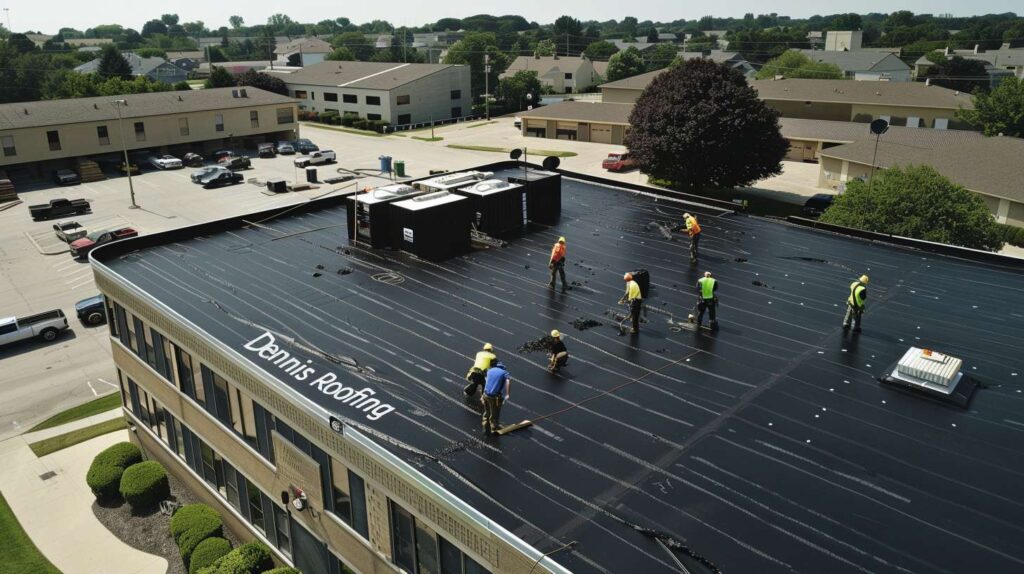
Metal panels and trim make up 30-40% of the project cost-roughly $4,950 to $8,400 on our example home. This bucket includes the actual roofing panels, all the trim pieces (eaves, rakes, ridges, valleys, flashings), fasteners designed for metal systems, and any special-order colors or finishes. Steel panels cost less than aluminum or copper, and you’ll pay a premium for anything beyond stock colors. When a Williamsburg client wanted a custom charcoal gray to match their renovated façade, the upcharge was $1,800 because we had to special-order coils with a 16-week lead time.
Roof preparation is where quotes vary wildly-anywhere from 10-25% of total cost. This includes tearing off your existing roof (if needed), inspecting and potentially replacing deck boards, installing the underlayment system, and bringing everything up to current code. Tear-off means removing old roofing material down to the deck, and in Brooklyn it’s not just about labor-disposal fees hit hard here. We pay $140-$175 per ton at transfer stations, and old shingles are heavy. A full tear-off adds $2,100 to $3,400 to metal roofing service costs on most homes.
Accessories and finishes round out the final 5-15%: upgraded underlayment (the protective membrane between your deck and metal), ventilation components, snow guards if your roof pitches toward a walkway, and any gutter coordination. High-temp synthetic underlayment costs $285-$340 more than basic felt but it’s essential under metal-the panels get hot, felt breaks down, and you don’t want to replace a 50-year roof because a $200 underlayment failed at year 12.
Brooklyn-Specific Factors That Push Metal Roofing Costs Higher
National metal roofing averages sit around $9-$12 per square foot installed. Brooklyn? We’re seeing $11-$18.50 per square foot, and it’s not because contractors here are greedy. It’s logistics, regulation, and the reality of working on urban roofs.
Access challenges add $800 to $2,200 to almost every Brooklyn metal job we estimate. Most homes don’t have driveway access for material delivery. We’re hand-carrying 16-foot panels down narrow walkways, hoisting them over fences, or using small cranes on street-permitted days. I quoted a metal roof replacement in Prospect Heights where the only access was through the house-panels came in the front door, up two flights of stairs, and out a third-floor window. That added six hours of labor and required extra crew members for safety. You’re paying for that reality.
Permit and inspection requirements in NYC aren’t optional and aren’t quick. A full roof replacement triggers DOB permit requirements, which means architect-stamped drawings for most projects, filed permits ($450-$850 in fees alone), and scheduled inspections that can delay your project if the inspector shows up and finds one detail that needs correction before sign-off. We build 3-4 days of “permit time” into Brooklyn metal roofing schedules, and that’s when things go smoothly.
Building code upgrades surprise homeowners who think they’re just getting a new roof. If your home was last roofed in 1995, current code may require improved deck attachment, enhanced edge protection, or different flashing details. When we stripped off the old corrugated metal on a Bay Ridge two-family last spring, we discovered the deck was 1×6 boards with gaps-totally normal for 1940s construction but inadequate for modern standing seam installation. We added half-inch plywood over the entire deck, which added $3,200 to that metal roofing service cost. Not fun to explain, but the alternative was installing a premium roof on a substandard base.
Cost by Metal Roofing Type and Profile
Not all metal roofs cost the same. The profile you choose-how the panels are shaped and joined-has enormous impact on both installed cost and long-term performance.
| Metal Roofing Type | Cost Per Sq Ft (Installed) | Brooklyn Home (1,500 SF) Total | Best For |
|---|---|---|---|
| Corrugated Steel Panels | $5.50 – $8.00 | $8,250 – $12,000 | Garages, sheds, budget-conscious installs |
| Standing Seam Steel | $11.00 – $15.00 | $16,500 – $22,500 | Most residential homes, modern aesthetic |
| Standing Seam Aluminum | $12.50 – $16.50 | $18,750 – $24,750 | Coastal areas, salt exposure concerns |
| Metal Shingle/Tile Profile | $13.00 – $17.00 | $19,500 – $25,500 | Historic homes, traditional look required |
| Copper Standing Seam | $18.00 – $28.00 | $27,000 – $42,000 | Premium installations, architectural statements |
Standing seam profiles are what most Brooklyn homeowners choose for residential work, and for good reason. The panels run vertically from ridge to eave with raised seams that snap or mechanically lock together-no exposed fasteners means no leak points, and the system allows for thermal expansion without stressing connections. Expect to pay $11-$15 per square foot installed for steel standing seam. We use Galvalume-coated steel with a 40-50 year coating warranty for most projects, and the actual panels last even longer than that if maintained.
Corrugated metal is cheaper but it’s not the same product. Exposed fasteners penetrate every panel, creating hundreds of potential leak points that require maintenance. The profile also looks industrial-fine for a detached garage in Canarsie, less appropriate for a renovated brownstone in Fort Greene. We installed corrugated on a workshop roof in Sunset Park last year for $7,200 (900 square feet), and the homeowner was thrilled because the building didn’t require curb appeal. Know what you’re getting.
Metal shingle profiles mimic traditional roofing materials-slate, wood shake, Spanish tile-using stamped metal panels. They cost more because installation is slower (each individual shingle piece has to be placed and fastened) and waste factors are higher. A Clinton Hill client wanted metal shingles that looked like slate for landmark district approval. Total cost was $24,300 for 1,380 square feet, but she got a metal roof that satisfied preservation requirements while delivering 50-year performance.
What Makes Your Specific Metal Roofing Service Cost Higher or Lower
Roof complexity is the single biggest variable I see between low-end and high-end quotes on similar-sized homes. A simple gable roof with one ridge, two slopes, and minimal penetrations? That’s straightforward metal work. A hip roof with multiple valleys, dormers, skylights, three chimneys, and varying pitches? Every transition requires custom flashing, careful waterproofing, and slower installation. Complex roofs easily add 25-40% to metal roofing service costs.
Pitch matters more than most homeowners realize. Low-slope roofs (under 3:12) require special seaming techniques and more robust underlayment to handle water that doesn’t shed quickly. Metal roofing services on flat or nearly-flat roofs cost $2.50-$4.00 more per square foot because we’re essentially building a modified waterproofing system, not just a weather-shedding roof. Steep roofs (over 8:12) need additional safety equipment, take longer to work on, and increase labor costs by 15-20%. The Goldilocks zone for metal roofing costs is 4:12 to 7:12 pitch-steep enough for good drainage, not so steep that every crew member needs harness tie-offs for every task.
Existing roof condition creates unpredictable cost variables. If your roof deck is solid, dry, and properly spaced, we install directly over new underlayment. If we find rot, improper framing, or outdated deck materials, repairs happen before any metal goes down. I can’t count the number of times we’ve stripped old roofing and found surprises-one Bed-Stuy job revealed an entire valley that had been “repaired” with tar and sheet plastic, with deck boards so soft I could push my thumb through them. That valley reconstruction added $1,850 to the metal roofing service cost, but there was no alternative if we wanted a sound installation.
Panel color and finish affect cost by $0.75-$2.50 per square foot. Stock colors (typically various grays, browns, reds, and greens) ship quickly and cost less. Custom colors require special orders with longer lead times and upcharges. Certain finishes-matte, high-gloss, metallic-also carry premiums. We’ve noticed that lighter colors tend to show dirt and streaking more in Brooklyn’s urban environment, while mid-tone grays and bronzes age more gracefully. From a pure cost perspective, choosing an in-stock color saves you money and gets your project started faster.
Smart Ways to Control Metal Roofing Service Costs Without Sacrificing Quality
Timing your project matters. Metal roofing services cost 8-12% less in our slower seasons-late November through March-because crews have more availability and suppliers sometimes offer winter pricing. Yes, you’ll deal with cold-weather installation challenges and shorter work days, but metal goes down fine in winter (unlike shingles, which can crack and seal poorly in freezing temps). A Flatbush client saved $2,100 by scheduling his standing seam installation in February instead of May, and the roof performed identically.
Reusing sound layers when code permits can slash costs significantly. If your existing roof has only one layer, the deck is solid, and you’re adding low-profile metal, sometimes we can install over the old roof with a vented spacer system. This eliminates tear-off labor ($1,200-$1,800) and disposal fees ($900-$1,400). We did this on a Sheepshead Bay cape last year, installing standing seam over existing three-tab shingles with furring strips that created an air gap. Total savings: $2,650, and the homeowner got improved ventilation as a bonus.
Bundling gutter replacement with metal roofing services saves money because the crew is already there, scaffolding is already up, and edge details are coordinated from the start. Separate the jobs and you pay for mobilization twice. We typically save clients $400-$700 by handling gutters during the roofing project rather than as a standalone service later. Plus, new gutters sized properly for metal roofing’s faster water shedding prevent problems before they start.
Panel choice is where you have real control over costs without compromising the fundamental roof system. Standing seam steel in a stock color with standard 24-gauge thickness is your baseline. Upgrade to thicker 22-gauge panels for homes near the coast or under heavy tree cover-it adds $1.20-$1.80 per square foot but resists denting better. Switch to aluminum only if you have legitimate salt exposure concerns (you’re truly coastal or in an area with heavy winter road salt). Choose copper only if budget isn’t a constraint and you want that distinctive aged patina.
Red Flags in Metal Roofing Service Quotes
Quotes that seem too good often hide problems. If you’re seeing numbers 30% below other estimates, ask specifically what’s different. Common corners that get cut: using lighter-gauge metal that dents easily, skipping proper underlayment, inadequate trim and flashing packages, or planning to install over questionable existing roofing without proper inspection. We’ve re-roofed three homes in the past two years where “bargain” metal installations failed within 24-36 months because installers used residential-grade fasteners instead of coated screws with EPDM washers, saved $400 in materials, and created hundreds of corrosion points.
Lack of detail about trim and flashing should concern you. The trim package-all the pieces that finish edges, transitions, and penetrations-is where water intrusion happens if done wrong. A complete quote breaks out trim costs separately or at minimum confirms that all necessary components are included. Vague language like “standard trim” or “flashing as needed” means the estimator hasn’t actually planned your roof properly. Our quotes specify linear feet of each trim type, how valleys will be handled, and what penetration flashing strategy we’ll use.
Missing permit costs or hand-waving about inspections suggests the contractor plans to skip the permit process. That’s illegal in NYC for roof replacements, and it creates liability for you as the homeowner. More practically, it means no one verified that the work meets code. When you sell your home, an unpermitted roof replacement can derail your closing. The permit process costs money and takes time, but it’s not optional.
What You Actually Get for Your Investment in Metal Roofing Services
Brooklyn homeowners pay premium prices for metal roofing services, so let’s be clear about what you’re buying. The average standing seam metal roof lasts 40-60 years with minimal maintenance-that’s two to three times the lifespan of architectural shingles. Over a 50-year period, you’ll likely reroof twice with shingles (at $14,000-$18,000 each time in today’s dollars) versus once with metal. The math favors metal if you’re staying in the home long-term or want to add lasting value for resale.
Energy performance is measurable. Reflective metal roofing reduces cooling costs by 10-25% in summer because the surface reflects solar radiation rather than absorbing it. A Windsor Terrace client with a dark shingle roof reported attic temperatures over 140°F in July; after we installed a light-gray standing seam system, attic temps dropped to 105-110°F, and her third-floor bedrooms became comfortable without cranking the AC. That’s real money every cooling season.
Weather resilience matters in Brooklyn’s increasingly variable climate. Metal roofs handle the heavy rain events we’re seeing more frequently-water sheds fast, seams don’t rely on gravity alone, and there are no shingle blow-offs in high winds. We’ve serviced metal roofs after major storms and the damage rate is dramatically lower than shingle roofs in the same neighborhoods. That reliability has value that’s hard to price but easy to appreciate when your neighbors are getting emergency tarps.
The investment also buys you out of the maintenance cycle. Shingle roofs need regular inspection, moss treatment, occasional repairs, and complete replacement every 18-25 years. Metal roofing services include a system that requires virtually no maintenance beyond keeping gutters clear and occasionally checking that fasteners haven’t backed out (rare with proper installation). That’s decades of not thinking about your roof.
Getting Accurate Quotes for Your Brooklyn Metal Roofing Project
Request at least three detailed estimates from contractors experienced with metal roofing specifically-not just general roofers who “also do metal.” The installation requirements are completely different and mistakes are expensive. Ask how many metal roofs they install annually and request references from Brooklyn projects completed in the past two years.
Provide accurate measurements and photos when requesting quotes. We can give ballpark numbers over the phone, but real estimates require either site visits or very detailed information about your roof’s size, pitch, complexity, and current condition. A 10% measurement error translates to $1,650-$2,800 in cost difference on typical projects, so it’s worth getting the details right from the start.
Understand that material costs fluctuate. Steel prices particularly can swing 15-20% based on market conditions, and that affects metal roofing service costs directly. Most estimates are valid for 60-90 days for this reason. If you’re planning a project six months out, expect quotes to be adjusted based on current pricing when you’re ready to proceed.
At Dennis Roofing, we’ve been installing metal roofs on Brooklyn homes since 2013, and our typical residential standing seam project costs $19,200-$23,800 for homes in the 1,400-1,600 square-foot range. That includes complete tear-off, proper underlayment, quality Galvalume steel panels in stock colors, all necessary trim and flashing, permit and inspection coordination, and a workmanship warranty that backs our installation. We’re not the cheapest option-we’re the option that delivers transparent pricing, experienced installation, and roofs that perform exactly as promised for decades. When you’re investing $20,000 in a roofing system, that clarity and reliability is worth building into your decision from day one.