
Metal Roof Repair Pricing: What Brooklyn Homeowners Pay in 2026
Most Brooklyn homeowners are spending between $850 and $3,400 on metal roof repairs in 2026, with the typical job landing around $1,650 when you factor in labor, materials, access equipment, and diagnosis time. Here’s why those numbers look higher than a few years ago-and what you can do to keep your repair on the lower end of that range.
The biggest shift I’ve seen this year is material cost stability after two years of wild swings, but labor rates climbed another 8% since late 2025, and that’s where most of the sticker shock lives. The second factor? More Brooklyn metal roofs installed between 2010 and 2018 are now hitting that 8-to-15-year window where sealant failures, fastener backouts, and thermal movement issues start showing up all at once, which means you’re not just fixing one leak-you’re addressing a system that aged into multiple weak points simultaneously.
How 2026 Metal Roof Repair Costs Break Down
I divide every metal roof repair estimate into four buckets, because that’s where your money actually goes: diagnosis and assessment, labor hours, materials and components, and access or safety equipment. Let’s unpack each with real Brooklyn numbers.
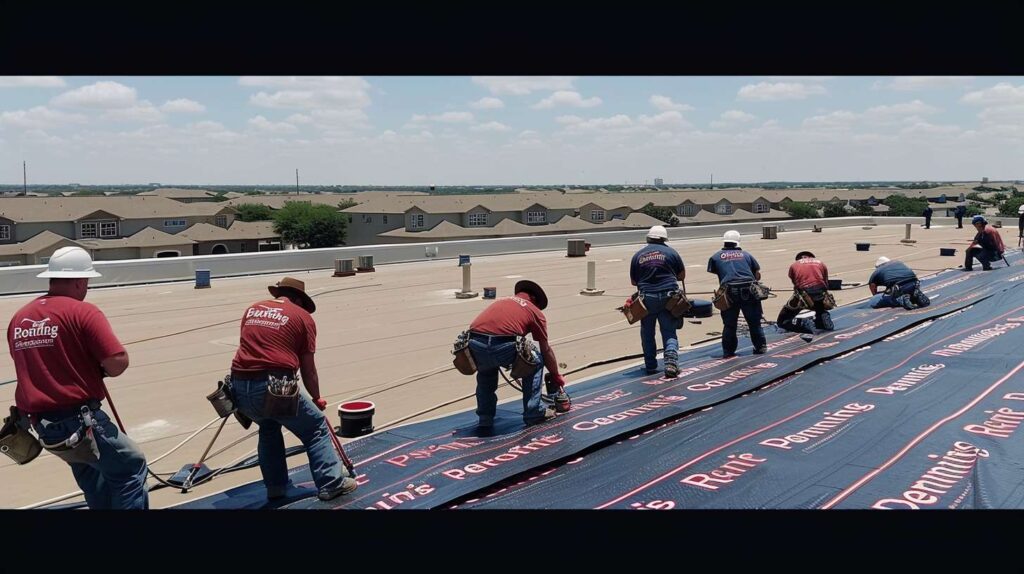
Diagnosis and assessment runs $150 to $400 depending on whether we’re troubleshooting an obvious flashing gap or hunting down a mystery leak that only shows up during wind-driven rain. On a 2026 repair in Carroll Gardens, the homeowner called about water stains in their third-floor bedroom. We spent 90 minutes on the roof with infrared imaging and dye testing because the entry point wasn’t near the interior damage-turned out a sidewall flashing 22 feet away was funneling water along a rafter bay. That diagnosis cost $285, but it saved the homeowner from a $1,200 guess-and-patch job that wouldn’t have solved anything.
Labor hours are where 2026 pricing diverged from previous years. Skilled metal roof technicians in Brooklyn are billing between $95 and $135 per hour now, up from $85 to $120 in early 2024. A simple seam reseal on a standing-seam roof takes 3 to 4 hours including setup and cleanup-that’s $380 to $540 in labor alone. More involved repairs like panel replacement, structural fastener correction, or multi-point flashing rebuilds run 6 to 10 hours, pushing labor into the $950 to $1,350 range before you’ve bought a single material.
Materials and components stabilized this year after the chaos of 2023-2024. Butyl sealant tape that jumped to $18 per roll in mid-2024 is back down to $12-$14. Galvalume panels cost $4.20 to $6.80 per square foot depending on gauge and finish. Copper flashing-still the gold standard for longevity-sits at $32 to $38 per linear foot installed. The catch? Minimum order quantities and freight costs mean small repairs often pay a premium. When we replaced eight corroded fasteners and two sections of ridge cap on a Sunset Park rowhouse in March 2026, materials ran $340, but $95 of that was essentially a “small job fee” baked into supplier pricing and delivery.
Access and safety equipment is the hidden cost that surprises homeowners. Standard ladder access on a two-story brownstone adds maybe $50 to $75 for equipment staging. But three-story buildings, steep pitches over 7:12, or roofs with no safe perimeter access? You’re looking at scaffolding or specialized lift rental at $450 to $900 for a day or two. On a recent Williamsburg loft conversion with a 9:12 pitch and zero adjacent roof access, we spent $720 on equipment before the first fastener got replaced-that was 43% of the total repair bill.
What Drives Your Specific Metal Roof Repair Cost in Brooklyn
The range between $850 and $3,400 isn’t arbitrary-it’s driven by seven factors that vary wildly across Brooklyn’s mix of building types, metal roof ages, and installation quality.
Roof access and building height create the biggest cost multiplier. A single-story garage with standing-seam panels in Dyker Heights? Two technicians can work safely from extension ladders, keep tools organized at ground level, and finish a seam repair in half a day. A four-story townhouse in Brooklyn Heights with parapets and no adjoining roof access? We’re renting equipment, coordinating street parking for a lift, and adding 2.5 hours just for safe setup and breakdown. That access difference alone can add $600 to $1,100 to otherwise identical repairs.
Metal roof type and panel configuration directly affects labor time and material matching. Standing-seam roofs with concealed fasteners are generally easier to repair without compromising waterproofing-you’re working with clips and seam integrity rather than exposed penetrations. Corrugated and R-panel roofs with exposed fasteners? Every repair creates new penetration risks, and matching 10-year-old panel profiles or colors often requires custom ordering at premium pricing. I worked on a Bay Ridge property in January 2026 where the original corrugated panels were discontinued; we spent $380 on color-matched material for a 4-foot by 6-foot section that would’ve cost $140 if we could use current stock profiles.
Rust and corrosion level changes a repair from surface work to substrate replacement. Surface rust treatment with wire brushing, primer, and topcoat adds $180 to $320 to a job. But once rust perforates the metal-common on coastal-zone roofs or anywhere dissimilar metals touched without proper isolation-you’re cutting out panels, inspecting and potentially replacing decking, and fabricating new sections. A Sheepshead Bay homeowner called about “a small rust spot” near a chimney cricket; when we opened it up, saltwater corrosion had compromised 18 square feet of decking. What started as an $800 estimate became a $2,650 repair because we hit structural damage.
Roof pitch matters more than homeowners expect. Anything steeper than 6:12 requires additional fall protection, slower work pace, and often specialty boots or jacks. I can reseal four standing seams on a 3:12 pitch in 3.5 hours; that same work on a 9:12 pitch takes 5.5 hours because every movement is deliberate and tool staging is limited. The labor difference is $190 to $270 depending on crew rate.
| Repair Type | Typical Cost Range (2026) | Time Required | Common Brooklyn Scenarios |
|---|---|---|---|
| Fastener replacement and sealing | $450 – $875 | 2-4 hours | Backout on corrugated roofs, 5-12 years old |
| Standing seam repair/reseal | $680 – $1,340 | 3-5 hours | Thermal movement separation on long panel runs |
| Flashing replacement (per section) | $520 – $1,180 | 3-6 hours | Chimney, sidewall, or valley flashing failure |
| Panel section replacement | $950 – $2,100 | 5-8 hours | Rust perforation, impact damage, discontinued profiles |
| Ridge cap or trim repair | $380 – $890 | 2-4 hours | Wind uplift, sealant failure at roof peak |
| Emergency leak temporary fix | $650 – $1,450 | 2-3 hours | After-hours call, immediate tarp or sealant stop |
Material Choices That Control 2026 Repair Costs
Not all metal roof repair materials perform equally, and the gap between budget and premium options widened this year as homeowners realized that cheaper fixes often failed within 18 to 36 months.
Sealants are the perfect example. Standard silicone caulk costs $4.50 per tube and might last three years on a Brooklyn metal roof. Butyl tape runs $12 to $14 per roll and gives you 8 to 12 years if applied correctly. High-performance polyether sealant-what I use on coastal properties or anywhere thermal cycling is extreme-costs $22 per tube but routinely lasts 15-plus years without reapplication. On a 2026 Bensonhurst repair where we resealed eight standing seams, the homeowner chose polyether at $176 for materials versus $54 for silicone. Three years from now, the silicone choice would’ve needed a $720 service call to redo the work; the polyether choice is still waterproof with zero callbacks.
Fastener upgrades make a similar difference. Replacing failed fasteners with the same cheap zinc-plated screws that backed out? You’ll be back in five years. Upgrading to stainless steel with EPDM bonded washers costs an extra $1.20 to $1.80 per fastener but eliminates the corrosion and thermal expansion issues that caused the original failure. I replaced 14 fasteners on a Gowanus warehouse repair in February 2026; the stainless upgrade added $38 to the bill and came with a 15-year performance expectation instead of “let’s see what happens.”
Flashing metal choice is where you really see cost versus longevity trade-offs. Galvanized steel flashing runs $8 to $11 per linear foot installed and lasts 12 to 18 years in most Brooklyn microclimates. Aluminum flashing costs $11 to $16 per linear foot and pushes that to 20-plus years. Copper flashing at $32 to $38 per linear foot is a 50-year solution-on historic brownstones in Park Slope or Fort Greene where roof longevity matters, copper isn’t a luxury; it’s lifecycle planning. We replaced 18 feet of chimney flashing on a Clinton Hill townhouse in April 2026; the homeowner went with copper at $684 installed versus galvanized at $198. Copper will outlast the metal roof itself, which means the next roof replacement won’t need flashing work.
Brooklyn-Specific Factors That Affect Metal Roof Repair Pricing
Working in Brooklyn adds complications and costs you won’t find in suburban or rural metal roof repairs, and they’re worth understanding before you get estimates.
Permitting and building access slow down some jobs. If your repair involves structural work, decking replacement, or more than 25% of the roof surface, you’re pulling a permit through DOB. That’s $350 to $550 in permit fees, plus the time cost of waiting for approval, which can push your repair out two to four weeks. On emergency repairs, we often do temporary stabilization immediately, then permit the permanent fix-that’s two mobilizations instead of one, which adds $200 to $350 in truck rolls and staging.
Material delivery logistics cost more in Brooklyn than almost anywhere else I’ve worked. Suppliers charge $75 to $145 for small-load delivery because parking, narrow streets, and timing windows make Brooklyn drops inefficient. If we need a crane or lift to get panels or flashing to a roof? Add another $300 to $600. A Red Hook repair in March 2026 required a 12-foot custom flashing section-material cost was $285, but delivery and handling added $190 because the supplier couldn’t leave a truck on the street long enough for standard unloading.
Co-op and condo building requirements layer on costs that single-family homeowners never see. Insurance certificates, weekend or after-hours work mandates, required building engineer supervision, freight elevator reservations, lobby protection-I’ve seen these add-ons push a straightforward $1,100 repair to $1,650 before we changed a single aspect of the actual roof work. On a 2026 job in a Cobble Hill co-op, the building required an engineer to inspect and sign off on our flashing repair even though it was non-structural; that was $425 the homeowner didn’t budget for.
How to Keep Your Metal Roof Repair Cost Lower Without Sacrificing Quality
I’ve seen homeowners cut their metal roof repair cost by 20% to 35% using timing, bundling, and smart material choices-not by skipping necessary work or hiring the cheapest crew willing to show up.
Schedule non-emergency repairs in late fall or early spring. November through March is slower for metal roof work in Brooklyn, which means contractors are more willing to negotiate labor rates and you’re not competing with ten other jobs for scheduling. We offered a 12% discount on a Midwood standing-seam repair in December 2025 because we had crew availability and wanted to keep them working through a light period. That same job in May or June? Full rate, two-week wait for scheduling.
Bundle small issues into one service call. If you’ve got a seam that’s lifting, a few fasteners showing rust, and a chimney flashing gap, addressing them separately costs $650, $480, and $750-$1,880 total with three mobilizations. Bundling them into one visit drops that to $1,450 to $1,650 because we’re only staging equipment, making one trip, and working efficiently through a punch list instead of setting up three times. On a 2026 Prospect Heights townhouse, the homeowner waited until they had four documented issues, then called us for one comprehensive visit. We saved them $620 compared to addressing each leak as it appeared.
Treat surface rust immediately instead of waiting for perforation. Wire brush, prime, and topcoat a surface rust spot for $180 to $240. Wait until it perforates and you’re cutting out panels and replacing decking for $1,400 to $2,200. I show homeowners photos from a Flatbush repair where a $210 rust treatment in 2023 would’ve prevented the $1,850 panel replacement we did in 2026-that’s an $1,640 lesson in proactive maintenance.
Choose materials for lifecycle cost, not initial price. That cheaper sealant, those zinc fasteners, the galvanized flashing instead of aluminum-they might save you $150 to $280 today, but they’ll fail sooner and cost you another full service call in three to seven years. I track this data: homeowners who upgrade to butyl tape, stainless fasteners, and aluminum or copper flashing spend 18% to 24% more on the initial 2026 repair but have 68% fewer callbacks and re-repairs over the following decade. The math isn’t even close.
Get diagnosis before getting estimates. The $150 to $400 you spend on professional leak diagnosis saves you from inaccurate estimates and misguided repairs. Three contractors giving you wildly different prices? That’s usually because they’re guessing at different root causes. Pay for diagnosis first, then get estimates for the known scope of work-you’ll get tighter pricing and better results.
What Changed in 2026 Metal Roof Repair Pricing
This year brought material cost relief but labor cost pressure, which shifted the typical repair budget breakdown in ways homeowners need to understand.
Coil-coated steel and aluminum stabilized after two years of commodity price swings. Galvalume dropped 11% from peak 2024 pricing, copper came down 7%, and aluminum held steady after climbing through 2023. That’s good news if your repair involves panel replacement-you’re not facing the sticker shock homeowners dealt with 18 months ago. The bad news? Labor rates climbed faster than material costs dropped, so your total bill didn’t necessarily fall.
Skilled metal roof labor got tighter and more expensive. Brooklyn’s construction boom pulled experienced workers toward new commercial projects paying $140 to $160 per hour for certified metal installers. Residential repair crews-which need the same skills but work on smaller, more complex jobs-had to raise rates to $95 to $135 per hour just to keep qualified people. That’s the biggest driver of higher 2026 metal roof repair costs, and it’s not reversing anytime soon.
Supply chain reliability improved, which ironically costs you more on small repairs. In 2023-2024, we kept larger inventories of common materials because lead times were unpredictable-that meant we could pull from stock for small jobs without minimum orders or rush fees. Now suppliers are back to just-in-time delivery, which means small repairs often trigger $75 to $145 delivery charges or force you to buy full-bundle quantities you don’t need. A standing-seam clip repair in Windsor Terrace needed six clips; we had to order a box of 50 at $240 instead of buying six at $28. The homeowner paid the difference.
When to Repair Versus Replace Your Brooklyn Metal Roof
I get asked this on probably 40% of estimates: “Should I just replace the whole thing instead of repairing it again?” The answer depends on how much roof life you’re buying with the repair dollars.
If your metal roof is under 15 years old and the repair addresses isolated failures-fastener backout, a separated seam, localized rust, failed flashing-repair makes financial sense. You’re spending $850 to $2,100 to extend a roof that still has 25 to 45 years of life remaining. That’s $30 to $80 per year of additional roof life, which is excellent value.
If your metal roof is 25-plus years old, showing widespread fastener failure, multiple seam separations, extensive rust, or if you’ve done three or more repairs in the past five years, replacement starts making more sense. A full Brooklyn metal roof replacement runs $14,000 to $28,000 depending on size, access, and material choices-but it resets your roof to zero maintenance for the next 30 to 50 years. When repair costs exceed 25% of replacement cost, or when you’re looking at $3,000-plus in repairs on a roof that’s already 70% through its expected life, replacement becomes the smarter investment.
The middle zone-roofs 15 to 25 years old with moderate issues-requires case-by-case analysis. We replaced panels, flashing, and fasteners on a 19-year-old Kensington standing-seam roof in 2026 for $2,850. That roof probably has another 12 to 18 years left, which pencils out to $158 to $237 per year of remaining life. Compare that to replacement at $18,500, which gives 40 years at $462 annually. In that scenario, repair was the clear winner. But if that same roof needed another $2,500 repair in three years, the math would flip toward replacement.
Why Accurate Estimates Matter More in 2026
The gap between accurate and inaccurate metal roof repair estimates widened this year because material and labor costs left less room for guesswork or padding.
Low-ball estimates that miss hidden damage or access challenges waste everyone’s time and money. A contractor quotes $980 to reseal your standing seams, then discovers rust under the seam caps, deteriorated underlayment, and roof pitch that requires additional safety equipment-suddenly your $980 repair is $2,100 with change orders and delays. I saw this exact scenario play out on a Crown Heights property where the homeowner chose the cheapest of three estimates; the job ended up costing more than our original detailed quote, took three weeks longer, and resulted in two callbacks for incomplete work.
Overly conservative estimates that pad for every possible complication aren’t much better-you’re paying for contingencies that may never materialize. The key is working with estimators who actually inspect your roof, document what they find, explain the variables, and give you a detailed scope with line-item pricing. At Dennis Roofing, every estimate includes photos of the specific damage, a written explanation of repair approach, material specifications, and labor hour breakdowns. That transparency lets homeowners compare apples to apples and understand exactly what they’re paying for.
On a 2026 job in Boerum Hill, we provided an estimate with three options: minimum repair to stop the active leak ($1,180), comprehensive repair addressing current and likely near-term issues ($1,840), and full restoration of that roof section ($2,650). The homeowner chose the middle option, and 18 months later they’ve had zero additional issues. That’s what accurate estimating looks like-giving homeowners real choices with transparent pricing so they can make informed decisions instead of gambling on the cheapest number.