
Expert Flat Roof Maintenance Services Brooklyn Homeowners Trust
Most Brooklyn homeowners only think about their flat roof when water starts dripping into their ceiling-but here’s the truth: regular flat roof maintenance can double the lifespan of your roof system, often stretching what should be a 15-year roof into 30+ years of solid protection. The typical annual maintenance visit costs $275-$425 for a standard two- or three-family home in Brooklyn, while emergency leak repairs plus interior damage restoration can easily hit $3,500-$8,000. The math isn’t subtle.
I’m Heidi Romano, preventative maintenance coordinator at Dennis Roofing, and I’ve spent the last decade walking Brooklyn’s flat roofs before they start leaking. Growing up in Bensonhurst in a family of building supers taught me that roofs don’t exist in isolation-they’re part of the whole building system, connected to drainage, masonry, HVAC equipment, and everything else happening up there. What makes my approach different is simple: I measure success by how many emergency leak calls my clients don’t receive each year.
Why Brooklyn Flat Roofs Need Consistent Attention
The biggest problem isn’t dramatic storm damage or aging materials-it’s the small, invisible issues that homeowners never see developing. A few leaves collect in a drain. A seam edge lifts slightly during winter freeze-thaw cycles. Rooftop HVAC vibration loosens a flashing screw. None of these problems announce themselves. They just sit there, quietly allowing water to find pathways where it shouldn’t go.
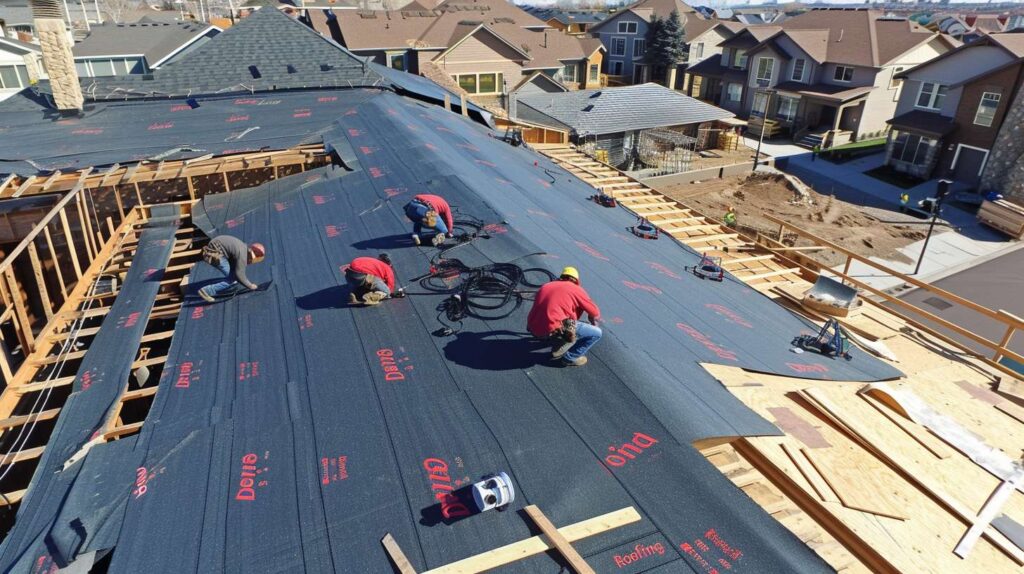
On a small Crown Heights brownstone we maintain, the owner hadn’t been on the roof in three years. When we started the maintenance contract, we found four drains completely blocked with organic debris, a corner seam pulled back about two inches, and a chimney flashing that had separated from the masonry. None of it had caused a visible leak yet. Within six months of those conditions continuing? Almost guaranteed water intrusion, probably rotting the roof deck underneath, possibly damaging the brick masonry, definitely creating a $6,000+ repair instead of the $340 maintenance visit that caught everything early.
Brooklyn’s specific conditions make regular flat roof maintenance even more critical. We get freeze-thaw cycles that test every seam and penetration. Summer heat creates thermal expansion that stresses membranes. Heavy rainfall events-increasingly common-test drainage capacity. And our buildings are packed close together, so your neighbor’s tree drops leaves onto your roof, accumulating faster than you’d expect.
What Professional Flat Roof Maintenance Actually Includes
Legitimate flat roof maintenance isn’t someone walking around taking photos. It’s systematic inspection and minor correction of issues before they escalate. Here’s what our Brooklyn maintenance visits cover:
Drainage system cleaning and inspection. This is priority one. Clogged drains cause ponding water, which is the single fastest way to destroy a flat roof membrane. We clear all drains, scuppers, and gutters, check for proper flow, and look for any low spots where water might accumulate. On a typical Park Slope three-family, we usually remove 3-5 gallons of organic debris per drain during spring cleaning-leaves, helicopter seeds from maples, silt, the occasional bird nest materials.
Seam and membrane inspection. Every seam is a potential vulnerability. We walk the entire roof surface looking for lifted edges, bubbling, punctures, or wear patterns. EPDM rubber roofs develop different issues than TPO or modified bitumen, so the inspection protocol adjusts based on your specific membrane type. Small problems get noted and monitored; anything actively separating gets immediate attention.
Flashing examination. Everywhere the roof meets something else-chimneys, parapet walls, vent pipes, HVAC equipment-you have flashing that creates a weathertight seal. We check every penetration for separation, rust, loose fasteners, or deteriorating sealant. On older Sunset Park buildings with brick parapets, the metal flashing can work loose from the masonry as the building settles over decades. Catching that early means re-securing a few screws; catching it late means water’s been running down inside your walls.
Surface debris removal. Beyond the drains, we clear the entire roof surface of branches, leaves, trash, and anything else that could trap moisture against the membrane or block drainage paths. A clean roof dries faster after rain, which dramatically extends membrane life.
Minor repairs and adjustments. Most maintenance visits include fixing small issues on the spot-tightening loose flashing screws, applying sealant to a separated corner, replacing missing protective coatings. These aren’t full repairs, but they’re the difference between a problem that stays small and one that becomes a leak.
Detailed documentation. We photograph conditions, note changes from the previous visit, and provide homeowners with a clear report showing what we found and what we did. This creates a maintenance history that’s invaluable for tracking roof aging and planning eventual replacement.
Seasonal Flat Roof Maintenance Rhythms
Brooklyn’s weather creates natural maintenance seasons. Here’s how we typically schedule flat roof maintenance throughout the year:
Spring (April-May) is prime time for comprehensive cleaning. Winter has left debris everywhere, and you want drains completely clear before summer thunderstorms arrive. We’re also checking for any damage from ice formation and freeze-thaw cycles. On a Bay Ridge two-family last spring, we found that ice had lifted an entire edge seam along the parapet-easy to re-secure in April, guaranteed leak by July if left alone.
Summer means monitoring for heat-related issues and storm damage. We usually do a quick mid-summer check on our maintenance contract buildings, especially after any significant weather events. Brooklyn’s summer thunderstorms can deposit surprising amounts of debris in just one afternoon.
Fall (October-November) is the second major maintenance window. Leaves are everywhere, and you absolutely need clear drains before winter. We’re also checking that all sealants and flashings are secure before freeze-thaw stress begins. This is when we address any minor issues that developed during summer so they don’t become major problems under winter conditions.
Winter requires judgment. We don’t schedule routine maintenance during snow and ice, but we do emergency checks if heavy snow loads or ice dam situations develop. For buildings with maintenance contracts, we’re available for those situations.
Common Brooklyn Flat Roof Problems We Catch Early
Certain issues appear repeatedly on Brooklyn flat roofs, and catching them during regular maintenance prevents expensive emergencies:
Ponding water areas. Flat roofs should have slight pitch toward drains, but settlement, deck deflection, or poor original construction can create low spots where water ponds after rain. A little ponding-draining within 48 hours-isn’t catastrophic, but persistent ponding accelerates membrane deterioration dramatically. During maintenance visits, we identify ponding areas and can recommend solutions ranging from additional drains to tapered insulation systems.
Parapet wall separations. Many Brooklyn buildings have brick parapet walls around the roof perimeter. The connection between roof membrane and parapet wall is complex-typically involving metal counter-flashing embedded into the brick and base flashing adhered to both roof and wall. As buildings settle and temperature changes cause expansion and contraction, these connections can separate. I caught exactly this situation on a Clinton Hill brownstone where the counter-flashing had pulled completely out of the mortar joints on one corner. The owner had no idea, but we were probably 2-3 months from water running down inside the wall cavity.
HVAC equipment issues. Rooftop heating and cooling equipment creates multiple roof penetrations and adds mechanical vibration that can loosen connections over time. We check all equipment supports, refrigerant line penetrations, and condensate drainage during maintenance visits. On commercial buildings and larger residential properties in Downtown Brooklyn, HVAC-related roof issues are among the most common maintenance findings.
Membrane shrinkage. Some roofing materials, particularly EPDM rubber, can shrink slightly over time with UV exposure. This creates stress at seams and edges. Regular maintenance catches early signs-slightly pulled corners, stress wrinkles near penetrations-when they’re still easy to address.
The Real Cost Analysis: Maintenance vs. Emergency Repairs
Let’s put actual Brooklyn numbers on this. Here’s what flat roof maintenance costs compared to common repair scenarios:
| Service Type | Cost Range | Frequency | What It Prevents |
|---|---|---|---|
| Annual maintenance visit (2-3 family home) | $275-$425 | 1-2x per year | Nearly all emergency leaks |
| Seasonal maintenance contract | $650-$950/year | Spring & fall visits | Systematic prevention |
| Emergency leak repair | $800-$2,200 | When needed | N/A – this is what you’re avoiding |
| Leak + interior damage restoration | $3,500-$8,000+ | When leaks go unaddressed | N/A – worst case scenario |
| Premature roof replacement | $8,500-$18,000 | When maintenance is neglected | N/A – replacing roof years early |
The math is straightforward. A homeowner spending $400 annually on maintenance might invest $4,000-$5,000 over a roof’s extended lifespan. Without maintenance, that same homeowner likely faces 2-3 emergency repairs at $1,500 each plus premature replacement, easily totaling $15,000+. And that doesn’t account for interior damage-ruined ceilings, damaged belongings, mold remediation.
On a Bensonhurst three-family we started maintaining five years ago, the owner had previously called various roofers for emergency repairs three times in two years, spending about $4,200 total. Since starting regular maintenance (spring and fall visits at $380 each), he’s had zero emergency calls and his roof-which was already 14 years old when we started-is still performing well five years later at age 19. His total five-year maintenance cost: $3,800. His emergency repairs in just the two years before that: $4,200. Plus he’s gotten nearly five additional years from his roof so far, delaying a $14,000 replacement cost.
Different Building Types, Different Maintenance Needs
Not all Brooklyn flat roofs need identical maintenance approaches. Here’s how building type affects maintenance planning:
Single-family and two-family homes typically have smaller roof areas (800-1,500 square feet) with simpler drainage-maybe 2-4 drains total. Maintenance is straightforward: seasonal cleaning and inspection, usually $275-$385 per visit. These buildings benefit most from spring and fall visits.
Three-family and small apartment buildings have larger roof areas and more penetrations-multiple plumbing stacks, possibly larger HVAC equipment, sometimes roof decks or other features. Maintenance visits run $385-$550 depending on roof size and complexity. These properties might need mid-summer checks if there are significant trees nearby.
Brownstones and historic buildings often have unique challenges-brick chimneys, skylights, multiple roof levels, decorative cornices and parapets. Maintenance requires extra attention to these architectural features and how they connect to the roof system. We see more masonry-related issues on these properties, especially in neighborhoods like Fort Greene and Cobble Hill where buildings date back 100+ years.
Small commercial buildings and mixed-use properties frequently have more complex rooftop situations-significant HVAC equipment, multiple tenants with different needs, possibly roof access requirements. Maintenance contracts typically include quarterly visits rather than just seasonal, running $950-$1,400 annually depending on specifics.
Setting Up a Maintenance Plan That Actually Works
The most effective flat roof maintenance isn’t random-it’s planned, scheduled, and consistent. Here’s how we structure maintenance plans for Brooklyn properties:
Initial comprehensive assessment. Before starting regular maintenance, we do a thorough roof inspection documenting current conditions, existing issues, and projected maintenance needs. This establishes a baseline. We photograph everything, measure any ponding areas, test drainage flow, and create a roof-specific maintenance protocol. Cost: $175-$250, which typically gets credited toward a maintenance contract.
Scheduled seasonal visits. Most residential properties do best with spring and fall visits-clearing winter damage and preparing for summer storms in spring, then clearing fall leaves and preparing for winter in fall. We schedule these in advance, usually booking next year’s dates when we complete the current visit. This ensures you don’t forget and suddenly realize it’s been three years since anyone looked at your roof.
Emergency coverage. Maintenance contract clients get priority emergency response if unexpected issues develop between scheduled visits-usually within 24-48 hours versus the 3-7 day wait for non-contract emergency calls during busy periods. We’re not doing free repairs, but we’re available to assess and address urgent situations quickly.
Progressive documentation. Every visit builds on previous documentation, creating a complete roof history. This shows how conditions change over time and helps predict when major work will eventually be needed. When a roof finally does need replacement, this history helps contractors understand exactly what they’re working with and can even reveal underlying deck issues before tear-off begins.
A Ditmas Park small co-op we work with started a maintenance plan six years ago with a roof that was already 12 years old-beyond the point where many owners would just plan for replacement. With consistent seasonal maintenance, that roof is now 18 years old and the board’s engineer says it’s got another 3-5 years of service life remaining. They’ve delayed a $42,000 replacement project by maintaining what they have, while actually reducing emergency repair calls to zero.
What Homeowners Can (and Should) Monitor Between Visits
Professional flat roof maintenance is essential, but homeowners can do simple checks that catch developing problems early:
After heavy rain, look at your ceilings for any new stains or discoloration. Water doesn’t always leak immediately when it enters-it might travel along beams or pipes before showing up inside, but any new ceiling marks deserve investigation.
Check interior corners and around light fixtures in top-floor rooms, especially after rain or snow melt. These spots often show water intrusion first because water follows gravity and accumulates in low points.
If you can safely access your roof (and many homeowners can with basic caution), do a visual walk after major storms. You’re not looking for technical roofing issues-just obvious problems like debris piles near drains, visible standing water days after rain, or any obvious damage. Don’t walk on icy or wet roofs. Don’t attempt repairs yourself. Just look and report anything concerning to your roofing contractor.
Notice what’s happening with nearby trees. Are they dropping more leaves onto your roof? Has a branch grown over your roofline? Tree proximity affects maintenance needs-a Bay Ridge property with mature sycamores overhead might need drain cleaning three times per year instead of twice.
When Maintenance Reveals It’s Time for Replacement
Regular maintenance extends roof life significantly, but every roof eventually reaches the end of its serviceable lifespan. Here’s what we look for that indicates maintenance alone isn’t enough anymore:
Multiple areas of membrane deterioration rather than isolated issues. If we’re finding problems in 8-10 different spots instead of 2-3, the membrane is fundamentally aging out.
Widespread seam failures. A few lifted corners are maintainable. When seams are pulling apart in multiple locations and we’re essentially re-adhering sections repeatedly, replacement makes more sense than ongoing patchwork.
Substrate issues underneath the membrane. If we’re finding soft spots indicating deck rot, or if the insulation underneath has gotten wet and compromised, those are underlying problems that maintenance can’t fix-they require roof replacement to address properly.
The roof is simply old. A well-maintained modified bitumen roof might last 25 years. EPDM could reach 30 years with excellent care. TPO typically runs 20-25 years. When you’re approaching those numbers, even with perfect maintenance, replacement becomes the prudent choice.
Part of our value as maintenance contractors is honest communication about this timeline. We’re not trying to sell premature replacements, but we’re also not going to tell you a 28-year-old roof in declining condition is fine for another five years. On a Williamsburg two-family we maintained for four years, we watched the membrane progressively age despite our best maintenance efforts. At year four, we recommended replacement-not because we wanted the project, but because continuing to maintain a failing roof would just be taking the owner’s money without providing real value. They appreciated the honesty and did have us handle the replacement, but the point is that good maintenance includes knowing when maintenance isn’t the answer anymore.
Why Dennis Roofing’s Maintenance Approach Works
Plenty of roofing companies offer maintenance services, but effectiveness varies dramatically. What makes our approach different is the building systems perspective I mentioned earlier-we don’t see roofs in isolation.
When we’re on your roof, we’re noticing how your gutters drain, whether your chimney masonry looks sound, if your HVAC equipment seems properly maintained, whether your roof hatch seals correctly. Problems in any of these areas affect your roof’s performance and longevity. We point out what we see and can often coordinate with other trades when roof work intersects with masonry, HVAC, or other building systems.
We also customize maintenance protocols to your specific building, location, and conditions rather than running the same generic checklist everywhere. A brownstone in tree-heavy Prospect Heights with mature oaks nearby gets different maintenance recommendations than a freestanding two-family in open Sheepshead Bay with minimal vegetation. That’s just common sense, but it requires actually thinking about each property individually.
Finally, we keep detailed records and communicate clearly. You get photos, written notes on what we found, explanations of what we did, and recommendations for anything we think needs attention before the next scheduled visit. No jargon, no scare tactics, just straightforward information so you can make informed decisions about your property.
Flat roof maintenance isn’t complicated or exotic-it’s systematic care based on understanding how these roof systems actually work and what makes them fail. For Brooklyn homeowners, it’s the single most cost-effective investment in your building’s long-term health. A few hundred dollars per year prevents thousands in emergency repairs and potentially adds a decade or more to your roof’s lifespan.
If you’re in Brooklyn and haven’t had professional eyes on your flat roof in the last year, that’s something to address. Call Dennis Roofing at our Brooklyn office and we’ll set up an initial assessment. We’ll tell you exactly what condition your roof is in, what it needs, and what a maintenance plan would look like for your specific property. No pressure, just honest information from someone who’s walked thousands of Brooklyn roofs and knows what actually keeps them working.