
Expert Commercial Roof Leak Repair Services in Brooklyn, NY
What does one roof leak actually cost your Brooklyn business by the time you spot the first ceiling stain? A warehouse owner in Red Hook found out when water from a $300 flashing leak soaked $18,000 in electronics inventory during a three-day rain event. The office building manager in Downtown Brooklyn discovered it when two tenants threatened to break their leases after ceiling tiles collapsed during business hours. The truth is, by the time you see water inside, your commercial roof leak has usually been active for weeks or months-traveling through insulation, running along beams, and compromising structural materials before gravity finally pulls it through a ceiling tile or down a wall.
Fast, expert commercial roof leak repair isn’t just maintenance. It’s risk management. Every day water enters your Brooklyn commercial building, you’re adding to the bill: damaged inventory, interrupted operations, angry tenants, potential mold remediation, higher insurance premiums, and the cost of fixing what the water damaged on its way down. I’ve spent 17 years as a commercial leak specialist tracking water through Brooklyn roofs-flat roofs, low-slope systems, TPO, EPDM, modified bitumen, built-up tar roofs-and the pattern is always the same: businesses that treat leaks as emergencies and find the root cause spend less money than those who schedule “the next available appointment” or accept another temporary patch.
Why the Same Commercial Roof Leak Gets “Fixed” Three Times
After a Nor’easter hit Red Hook last spring, I got called to a 40,000-square-foot warehouse where a roofing crew had already been out twice in six months for the same leak above their loading dock. They’d patched the obvious spots-some cracked membrane, a loose seam-but water kept appearing in the same corner office every heavy rain. When I climbed up, the problem wasn’t where they’d been patching. The actual entry point was 25 feet away where an HVAC platform had been installed two years earlier. The installers had penetrated the membrane, sealed it poorly, and every wind-driven rain pushed water under the flashing. That water traveled along the roof deck, followed the slope, and showed up far from where it actually entered.
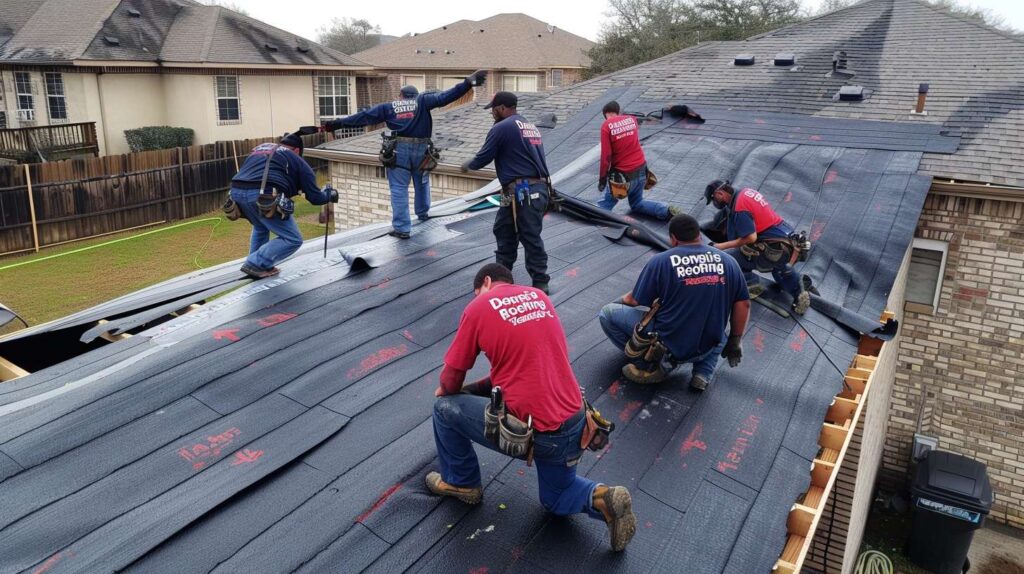
This is why professional commercial roof leak repair starts with investigation, not patching. Real leak detection involves:
- Visual roof inspection of the entire area, not just above the interior stain
- Water testing with hoses to replicate rainfall conditions and trace entry points
- Infrared scanning on flat roofs to identify trapped moisture in insulation
- Interior inspection to map the water’s travel path through the building
- Documentation with photos showing the actual source, the damage path, and what needs repair
When someone tells you they “found the leak” in ten minutes during a roof inspection, they probably found a problem-which may or may not be your problem. Brooklyn’s commercial buildings deal with specific conditions that create leak patterns: wind-driven rain off New York Harbor that pushes water into vertical surfaces most roofers ignore. Freeze-thaw cycles on aging parapets and copings that crack masonry and open gaps. Constant foot traffic from HVAC technicians who create small punctures that become big leaks. Decades-old flat roof systems where the membrane has shrunk, pulling away from flashings at penetrations.
Each of these conditions creates a signature. Water stains that appear only during heavy rain with east winds? Check parapet flashings and wall ties on the eastern exposure. Leaks that show up in winter but disappear in summer? Look for ice dam formation or freeze-thaw damage. Persistent dampness around one area regardless of weather? That’s trapped moisture from an old leak or failed insulation that needs infrared detection.
Commercial Roof Systems in Brooklyn and Their Leak Points
Brooklyn’s commercial buildings use several flat and low-slope roofing systems, and each has characteristic failure points where leaks develop. Understanding your roof type helps you know what to expect during a professional commercial roof leak repair.
| Roof System | Common Leak Points | Typical Repair Approach | Expected Repair Cost Range |
|---|---|---|---|
| TPO Single-Ply | Failed heat-welded seams, punctures from equipment, loose fasteners at perimeter | Heat-weld patches, seam repair, mechanical fastener replacement | $850-$2,400 |
| EPDM Rubber | Adhesive failures, shrinkage pulling from flashings, punctures, failed seam tape | Proper cleaning, EPDM primer, permanent patch installation, flashing re-attachment | $750-$2,200 |
| Modified Bitumen | Seam failures, blister formation, granule loss exposing membrane, flashing deterioration | Torch-down or cold-applied cap sheet patches, blister removal and replacement | $900-$2,800 |
| Built-Up Roof (BUR) | Cracked flood coat, failed flashings, blistering, gravel displacement exposing felt layers | Multi-ply patch systems, hot tar application, flashing reconstruction | $1,100-$3,500 |
| Metal Roofing | Fastener back-out, panel seam separation, flashing gaps, rust penetration | Fastener replacement with proper sealing, seam re-sealing, rust treatment and patching | $950-$3,200 |
These ranges reflect typical single-point leak repairs in Brooklyn including diagnosis, materials, labor, and basic warranty. Complex repairs involving structural damage, multiple leak points, or difficult access can run significantly higher-$5,000 to $15,000 when you’re addressing water damage to roof decking, insulation replacement, or extensive flashing reconstruction.
The Real Entry Points: Where Brooklyn Commercial Roofs Actually Leak
In 17 years of tracking water through commercial buildings, about 70% of leaks I find don’t originate in the main roof membrane. They start at transitions, penetrations, and terminations-anywhere the continuous waterproofing system has to stop, turn a corner, or wrap around something.
Rooftop equipment penetrations are the leading cause in Brooklyn. HVAC units, exhaust fans, plumbing vents, electrical conduits-every one is a potential leak point. The original installation might have been perfect, but years of vibration, thermal expansion and contraction, and maintenance work loosen sealants and open gaps. A Crown Heights retail building I worked on had twelve small leaks, and eleven of them traced back to rooftop equipment installed during a renovation seven years earlier. The flashings had been properly installed, but the sealant had dried out and cracked, creating entry points at every pipe support and equipment curb.
Parapet walls and copings fail constantly in Brooklyn’s freeze-thaw climate. Water enters tiny cracks in mortar or gaps where metal coping meets masonry, freezes overnight, expands, and makes the gap larger. By the third winter, water is running down inside the parapet wall and entering the building at the roofline. This type of leak is hard to diagnose because the water travels vertically down the wall before moving horizontally across the ceiling-the interior stain might be 15 feet from the actual entry point on the parapet.
Roof drains and scuppers clog with debris, causing water to pond on flat roofs. The standing water finds any weakness-a nail pop, a small tear, a separated seam-and goes through. Even worse, when drains freeze in winter, ice dams form and push water backward under flashings and into overflow areas that weren’t designed for constant water contact. A Sunset Park industrial building had persistent leaking every winter until we discovered their primary drains were freezing solid, forcing all runoff through a single scupper that was backing water up under the membrane edge.
Skylights and roof hatches develop leaks at their curb flashings. The skylight itself might be fine, but where the curb flashing meets the roof membrane, sealants fail, mechanical fasteners back out, or the membrane shrinks away from the curb. I can’t count how many times I’ve seen patch material piled around a skylight curb-five or six attempts by different crews-because no one removed the old failed flashing and rebuilt the connection properly.
Membrane seams on TPO and EPDM roofs fail when installation quality was marginal to begin with. A properly heat-welded TPO seam or correctly taped EPDM seam should outlast the membrane, but rushed installations, poor weather conditions during application, or using cheap materials create weak points. Wind gets under loose edges, water follows, and suddenly you have seam separation across twenty feet of roof.
What Professional Commercial Roof Leak Repair Actually Involves
When Dennis Roofing responds to a commercial roof leak in Brooklyn, you’re getting a systematic approach, not a quick patch job. Here’s what proper commercial roof leak repair looks like from start to finish.
Emergency response and temporary protection: If you’re calling because water is actively entering the building, the first priority is stopping the immediate damage. We deploy tarps, perform emergency sealing, and set up temporary drainage if needed to protect your inventory, equipment, and operations. This isn’t the permanent fix-it’s buying time to do the diagnosis and repair correctly.
Complete leak investigation: Once conditions allow, we inspect the entire roof section, not just the area above the interior leak. We’re looking for all potential entry points, testing suspicious areas with water, checking the condition of flashings and penetrations, and documenting everything with photos. On flat roofs, we use infrared scanning to identify trapped moisture that indicates older leaks or compromised insulation. This investigation phase is what separates professional commercial roof leak repair from patch-and-pray service calls.
Root cause identification: After mapping the leak path from entry point to interior appearance, we identify why the leak happened. Is it end-of-life membrane failure? Poor original installation? Storm damage? Maintenance-related damage? This matters because it determines whether you need a focused repair, multiple repairs, or planning for section replacement.
Repair execution with proper materials: Real repairs use roof-system-specific materials and methods. TPO patches are heat-welded with the same equipment used in new installations. EPDM repairs involve proper surface preparation, primer application, and permanent EPDM patches-not silicone or mastic that will fail in two years. Modified bitumen repairs use torch-down or cold-applied cap sheets that match the existing system. We’re rebuilding the waterproofing system, not just covering holes.
Interior damage documentation: Before we leave, we document what damage occurred inside-wet insulation, stained ceilings, damaged materials-because you’ll need this for insurance claims and to coordinate interior repairs. We note whether insulation needs replacement (wet insulation doesn’t dry effectively and loses R-value) and whether there’s risk of mold development in concealed spaces.
Follow-up inspection: On significant leak repairs, we return after the next major rain event to verify the repair is holding. This catches any secondary leak points we might have missed and confirms the main entry point was correctly identified and sealed.
When Repair Isn’t Enough: Reading the Warning Signs
Sometimes a leak isn’t just a leak-it’s your building telling you the roof system is at the end of its service life. I was called to a Williamsburg mixed-use building for “a leak over the third-floor offices.” When I got on the roof, their 28-year-old EPDM membrane was shrunk, cracked, and pulling away from flashings in multiple locations. The immediate leak needed repair to stop the water, but they had five other potential leak points that would fail in the next year or two. I repaired the active leak, gave them a detailed report on overall roof condition, and helped them plan for section replacement before the next leak caused more interior damage.
Signs that commercial roof leak repair needs to be part of a larger roof strategy:
- Multiple leaks developing in different areas over 6-12 months
- Roof membrane that’s brittle, cracked, or severely shrunk
- Widespread ponding water that sits for days after rain
- Visible rust on metal decking or structural supports
- Granule loss exposing felt layers on built-up roofs
- Age exceeding the system’s expected lifespan (15-25 years depending on type)
In these situations, Dennis Roofing provides both the immediate leak repair to protect your building and a comprehensive assessment with options: keep repairing as issues develop, re-cover the existing roof with a new membrane system, or complete tear-off and replacement. The right choice depends on your building’s condition, your budget timeline, and how long you plan to own the property.
The Brooklyn-Specific Factors in Commercial Roof Leaks
Brooklyn’s location and building stock create specific challenges for commercial roofing that directly affect leak frequency and repair approaches. These aren’t generic concerns-they’re conditions I deal with on every project.
Wind-driven rain off New York Harbor hits Brooklyn’s commercial buildings hard, especially in Red Hook, Sunset Park, and waterfront areas. Normal rainfall comes straight down; wind-driven rain comes horizontally into vertical surfaces. This means parapet walls, equipment curbs, and wall flashings take direct water impact they weren’t necessarily designed to handle long-term. Repairs in coastal Brooklyn neighborhoods need extra attention to vertical flashing details.
Freeze-thaw cycles are brutal on older buildings with masonry parapets. Water enters small cracks, freezes and expands overnight when temperatures drop into the 20s, then thaws during the day. After three or four freeze-thaw cycles each winter for ten years, you’ve got significant parapet deterioration and multiple entry points for water. This is why so many brownstone conversions and pre-war commercial buildings in neighborhoods like Park Slope and Crown Heights develop persistent parapet leaks that need masonry repair alongside roofing work.
Heavy HVAC equipment and constant rooftop access is standard in Brooklyn commercial buildings. Restaurants have exhaust systems. Office buildings have multiple HVAC units. Light industrial spaces have ventilation systems. Every one of these requires regular maintenance, which means foot traffic, dropped tools, and service contractors who aren’t thinking about roof protection. This creates punctures, damages flashings, and loosens sealants-turning properly installed roofs into leak-prone surfaces after just a few years of normal building operation.
Aging building stock means many Brooklyn commercial roofs are on their second or third roofing system. When you’re repairing a roof, you’re often dealing with layers of previous repairs, abandoned equipment penetrations, and modifications made over decades. A leak repair might reveal that the roof deck has three different types of membrane patches from three different decades. Proper repair means understanding what’s there, how it was installed, and what will actually bond to or integrate with the existing materials.
Choosing a Commercial Roof Leak Repair Contractor in Brooklyn
Not every roofing company that answers the phone can effectively repair commercial roof leaks. The skills are different from residential work, the stakes are higher, and the diagnostic process requires specific experience. When you’re evaluating contractors for commercial roof leak repair, these are the questions that matter:
Do they investigate before quoting? Any contractor who gives you a firm price without seeing the roof, testing the leak, and understanding your building’s specific conditions is guessing. Professional commercial roof leak repair requires on-site diagnosis.
Can they explain where water is actually entering? The roofer should be able to show you the entry point, explain why it’s leaking, and describe how water traveled from that point to where you see it inside. If they can’t walk you through this, they’re not doing proper diagnosis.
What’s their repair methodology? Ask specifically what materials they’ll use and how they’ll apply them. “We’ll patch it” isn’t an answer. “We’ll clean the existing EPDM, apply primer, and install a permanent EPDM patch with proper edge sealing” is an answer.
Do they document everything? You need photos of the leak source, the repair process, and the completed work. This documentation is essential for insurance, for your maintenance records, and for any future roof work.
What warranty covers the repair? Legitimate commercial roof leak repairs come with warranties on both materials and labor-typically 1-5 years depending on repair scope. Get this in writing.
Cost Factors in Brooklyn Commercial Roof Leak Repair
The $850 to $3,500 range in the earlier table covers straightforward repairs. Understanding what drives costs higher helps you evaluate quotes and budget appropriately.
Access difficulty adds cost. A one-story warehouse with a exterior ladder is easy. A five-story building in Downtown Brooklyn with no roof access requiring a crane or lift adds $1,200-$2,800 to project costs just for equipment. Interior access through tenant spaces during business hours requires coordination, protection measures, and careful scheduling-all of which increase labor time.
Extent of secondary damage matters significantly. If water has compromised insulation, saturated roof decking, or damaged structural members, repair costs escalate quickly. Insulation replacement adds $4-$9 per square foot. Roof deck repair or replacement runs $15-$35 per square foot depending on materials and structural complexity. A “simple leak repair” can become a $12,000 project when you discover the water has been active for months and caused extensive hidden damage.
Emergency service timing affects pricing. Calling for leak repair during business hours costs standard rates. Calling at 11 PM on Sunday during a storm because water is pouring into your retail space costs premium rates-typically 1.5x to 2x standard pricing. This is reasonable because you’re pulling crews from off-hours and demanding immediate response. The alternative-letting water damage continue overnight-usually costs more than the emergency service premium.
Seasonal demand influences availability and sometimes pricing. Spring and fall are peak roofing seasons in Brooklyn. Summer sees steady commercial work. Winter slows down but doesn’t stop-and winter repairs on frozen roofs require different materials and methods. If your leak happens in October when every roofer in Brooklyn is booked solid, you might wait longer or pay premium rates for priority service.
Preventing the Next Commercial Roof Leak
After we repair a leak, property managers always ask the same question: how do we avoid this happening again? The answer isn’t complicated, but it requires commitment to regular roof maintenance.
Bi-annual professional roof inspections catch small problems before they become leaks. Spring inspections after winter freeze-thaw damage and fall inspections before harsh weather identify issues while they’re still inexpensive to fix. A $300 inspection that finds a loose flashing saves you from a $3,000 leak repair six months later.
Clear your drains and scuppers quarterly. This is simple maintenance any building staff can handle-remove debris from drains, check that water flows freely, verify scuppers aren’t blocked. Clogged drainage causes 30% of flat roof leaks I see in Brooklyn.
Control rooftop access and require HVAC contractors to follow roof protection protocols. Provide walk pads for service routes. Require contractors to report any damage immediately. Make it clear that roof protection is part of doing business in your building. The restaurants and office buildings with the fewest roof leaks are the ones that treat their roof as critical infrastructure, not just the surface nobody sees.
Address small issues immediately. That lifted shingle edge, that loose pipe flashing, that small crack in parapet coping-fix them when you spot them. Small problems are cheap. The leaks they become are expensive.
After 17 years specializing in commercial roof leak repair across Brooklyn, the pattern is clear: buildings that invest in diagnosis, proper repairs, and preventive maintenance spend less on roofing over time than buildings that wait for emergencies and accept quick patches. When water shows up inside your Brooklyn commercial building, you need someone who treats it like a detective case-finding where it’s actually entering, fixing the root cause, and making sure it doesn’t come back. That’s what professional commercial roof leak repair delivers, and that’s what protects your building, your tenants, and your business operations from the real cost of water damage.