
Expert Ceiling Repair Water Damage Services in Brooklyn, NY
Professional ceiling repair from water damage in Brooklyn typically costs between $450 and $2,800, depending on the size of the damaged area, ceiling type (plaster vs. drywall), and whether structural repairs are needed. Most homeowners spend around $975 for a standard 4×6 foot water-damaged section including source repair, drying, and restoration.
Here’s what I see almost every week: a homeowner spots a brownish water ring on their ceiling, grabs a can of “stain-blocking” primer from the hardware store, rolls two coats over the mark, and watches it disappear. Problem solved, right? Fast-forward four months-the stain is bleeding back through, darker now. They call me. I pull out my moisture meter, press it to the “dry” ceiling, and it screams 28% moisture content. We open a small inspection hole and find soaking-wet insulation, black mold on the backside of the drywall, and ceiling joists that flex when I push them. What looked like a $60 paint job is now a $1,400 structural repair because water doesn’t just stain-it hides, spreads, and rots.
That’s the biggest problem with water-damaged ceilings: you can see the stain, but you have absolutely no idea how far the water actually traveled or what’s happening behind the surface. A three-inch brown circle on your Park Slope bedroom ceiling might represent a 22-inch diameter of saturated plaster above it. A puffy seam in your Flatbush living room drywall could mean every panel in that sixteen-foot run absorbed moisture and needs replacement. Until you map it properly, you’re guessing-and homeowners almost always guess low.
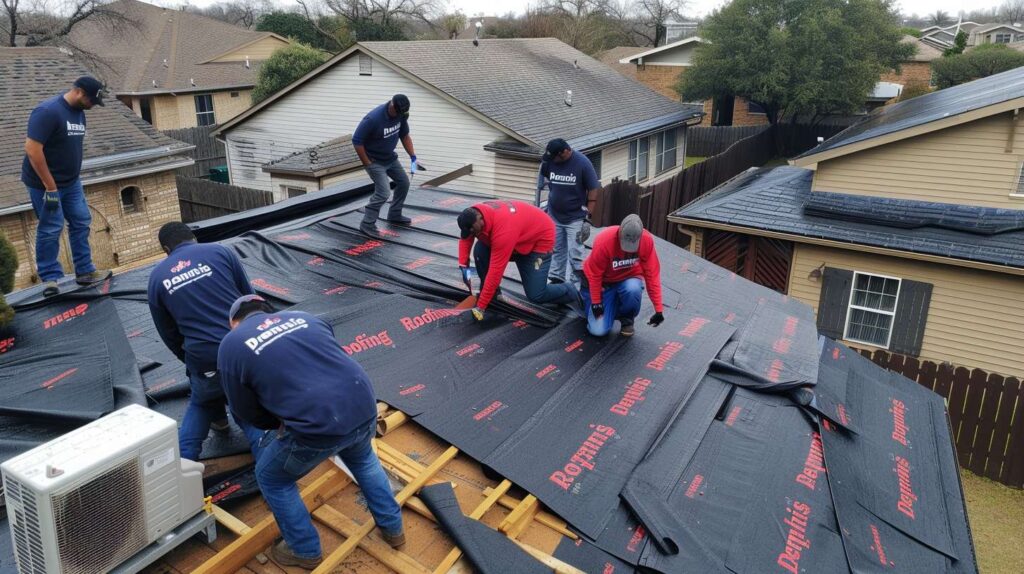
Why Water Damage Ceiling Repair Starts With the Roof (Even When You Think It’s Plumbing)
Most Brooklyn ceiling water damage traces back to the roof, even in cases where homeowners swear it’s a plumbing leak. I documented this on a Bensonhurst two-family last spring: water stain directly below the upstairs bathroom, homeowner convinced it was the toilet seal. We opened the ceiling, found bone-dry supply lines and drain stack, then traced moisture up through the wall cavity to a missing step flashing where the bathroom dormer met the main roofline. Rain was sheeting down the siding, wicking behind the exterior trim, running down the inside of the wall, and finally leaking out at the ceiling below. The “bathroom leak” was actually a roof detail problem eighteen feet away from where the water appeared.
This is critical for Brooklyn buildings because our housing stock mixes so many roof types and ceiling assemblies. A Carroll Gardens brownstone might have the original 1910 slate roof with copper valleys feeding into plaster ceilings on wood lath. The lath swells when wet but holds together for weeks, so you don’t see the damage until plaster keys start failing and whole sections sag. Meanwhile, a Williamsburg condo conversion has a twenty-year-old rubber membrane roof over steel joists and modern drywall-those ceilings show water damage in hours because drywall paper wicks moisture instantly and puffs at the seams.
When you call Dennis Roofing for ceiling repair from water damage, the first thing we do is verify the source is actually fixed. I’ve repaired too many beautiful ceilings that got soaked again three months later because the original roofer slapped some tar on a crack but never addressed the real issue-a backed-up gutter, a lifted shingle course, a split boot around the vent stack. We’ll get on the roof, we’ll inspect from the attic if you have access, and we won’t touch your ceiling until we’re certain the water supply is shut off for good.
Moisture Mapping: Finding Every Inch That Got Wet
Once the leak source is confirmed stopped, real ceiling repair begins with something most contractors skip: detailed moisture mapping. I carry a pin-type meter for drywall and plaster, a non-invasive scanner for preliminary sweeps, and a thermal camera that shows me temperature differentials caused by evaporating water. On a typical job-say, a Sunset Park ranch with a twelve-foot water stain on the living room ceiling-I’ll mark the visible damage with painter’s tape, then test in a three-foot radius around it. Almost always, the meter finds elevated moisture far beyond what your eyes see.
Here’s what I found on that Sunset Park house: the brown stain was 11×14 inches. The actual wet area, confirmed by meter readings above 19%, measured 46×38 inches and crossed two ceiling joists. The homeowner was planning to patch “just the stain.” If we’d done that, the hidden wet drywall and insulation would have stayed damp, grown mold within a week, and slowly rotted the joist ends. Instead, we documented everything with photos and readings, opened the full wet zone, pulled soaked insulation, ran dehumidifiers for four days until moisture dropped below 12%, treated the lumber with antifungal, and then rebuilt properly. Total cost was $1,340 versus the $280 patch he’d gotten quoted elsewhere-but his ceiling is actually dry and safe.
This moisture mapping step is also what makes your insurance claim legitimate. Adjusters want documentation. They need to see readings, dated photos, and a clear scope explaining why you removed X square feet of material instead of just painting over the stain. I’ve helped dozens of Brooklyn homeowners get full coverage by providing exactly that documentation up front, and I’ve watched others get denied because they tried to DIY it, didn’t document anything, and then couldn’t prove how far the damage extended.
Opening the Ceiling Safely (And Why It Usually Needs to Be Bigger Than You Think)
Nobody wants to cut a bigger hole in their ceiling. I get it. But water-damaged ceiling materials lose structural integrity in ways that make small patches dangerous and ineffective. Wet drywall turns to mush-the gypsum core literally dissolves and the paper facing delaminates. You can’t screw into it or tape a seam to it because there’s nothing solid to grab. Plaster is even trickier: the plaster itself might look okay, but if the wood lath behind it swelled and the plaster keys (the little bumps that lock plaster to lath) broke loose, that entire section is just waiting to fall on someone’s head.
I opened a ceiling in a Bay Ridge Cape Cod last November where the homeowner had a two-foot circular stain and wanted a matching two-foot patch. I explained we needed to cut back to solid joists on either side-minimum four feet in this case because the joists ran perpendicular to the stain. He pushed back hard until I showed him: I pressed gently on the plaster three feet away from the visible stain and my finger punched straight through. The keys had failed across a six-foot span. We ended up removing and replacing an eight-foot section because anything less would have left loose plaster that could drop at any time.
The access opening also needs to be big enough to actually dry what’s above. If I cut a neat twelve-inch hole and leave wet insulation packed in around it, moisture has nowhere to go except sideways into more wood and drywall. Proper drying means full removal of wet insulation, air circulation across all damp lumber, and dehumidification with actual air changes-not just time. In Brooklyn’s humid summers, an undried ceiling cavity will grow mold in 48 to 72 hours. I’ve seen it happen over a long weekend.
When Ceiling Water Damage Means Structural Repair
Most ceiling repairs are cosmetic plus minor carpentry-replace drywall, sister a joist if needed, refinish. But maybe one in eight jobs I handle crosses into true structural territory: joists with rot extending more than two inches into the member, ceiling beams with compression damage, or bearing walls where water compromised the top plate. These require engineering solutions, not handyman patches.
Brownstone ceilings are particularly vulnerable because many still have the original floor joists from 1880-1920, often just 2×8 or 2×10 yellow pine on sixteen- or twenty-inch centers-undersized by modern standards and already loaded near capacity. Sustained water exposure softens that old wood fiber and introduces rot fungi that digest the lignin holding the wood together. I replaced three full joists in a Clinton Hill brownstone after a roof leak went unnoticed for two winters; the beam ends were so degraded I could push a screwdriver through four inches of “wood” that had the consistency of cork.
Structural repairs change your cost and timeline significantly. Temporary shoring, engineered lumber (often LVL beams), building permits, and inspection sign-offs can push a $900 ceiling patch to a $4,200 structural job. But skipping that work when it’s needed is dangerous and illegal-and it’ll torpedo any future home sale when the inspector finds compromised framing.
How Different Brooklyn Ceiling Types Respond to Water
| Ceiling Type | Common in Brooklyn | Water Behavior | Repair Approach | Typical Cost Range |
|---|---|---|---|---|
| Plaster on wood lath | Pre-1940 brownstones, older homes in Flatbush, Bay Ridge, Bensonhurst | Lath swells, keys break, plaster sags; can hold water for weeks before visible damage | Remove to solid lath; often requires full-bay removal; 3-coat plaster or drywall replacement | $18-28 per sq ft |
| Plaster on metal lath | 1940s-50s apartments, some postwar construction | Metal doesn’t swell but rusts; plaster detaches in sheets once keys fail | Cut back to solid areas; re-lath if rust is extensive; 2-3 coat plaster finish | $22-32 per sq ft |
| ½” drywall | Most post-1960 construction, renovated spaces | Paper facing wicks water rapidly; gypsum core dissolves; shows damage in hours to days | Remove full sheets back to dry joists; fast drying; tape and compound 3-4 coats | $8-14 per sq ft |
| ⅝” Type X (fire-rated) | Newer condos, ceiling assemblies below occupied floors | Denser core resists moisture slightly better but still fails when saturated; code often requires like-for-like replacement | Full sheet replacement maintaining fire rating; longer drying time due to density | $11-17 per sq ft |
| Acoustic tile / drop ceiling | Basements, finished attics, some commercial-to-residential conversions | Tiles stain and warp immediately; usually disposable; hides extent of damage above grid | Replace tiles; inspect and dry space above grid thoroughly before closing up | $4-9 per sq ft (tile only) |
Understanding your ceiling type is critical because repair methods don’t transfer. You can’t just screw drywall over damaged plaster and lath-the lath will continue to deteriorate and the mismatched materials expand and contract differently, cracking your finish within months. And you can’t patch plaster into a modern drywall ceiling and expect the seams to disappear; plaster shrinks as it cures and telegraphs every edge.
The Drying Phase Nobody Wants to Wait For
After we’ve opened the ceiling, removed damaged materials, and treated any mold or rot, everything stops for drying. This is the phase homeowners hate because nothing visible is happening and they just want their ceiling back. But you cannot seal moisture into a ceiling assembly. Period. The New York City building code and every insurance carrier’s guidelines require moisture content below 16% (most pros target 12% or lower) before closing walls or ceilings that were water-damaged.
Drying time depends on weather, ventilation, and what got wet. A summer ceiling repair in a well-ventilated Bushwick loft might dry in three days with a couple of box fans and a rented dehumidifier. That same repair in a poorly ventilated Bay Ridge basement during a humid September could take ten days even with commercial drying equipment. I track it with daily meter readings and won’t let my crew close anything up until the numbers are right-and I’ll show you those readings so you understand we’re not just stalling.
Rushed drying leads to trapped moisture, mold growth, wood rot, and failed repairs. I’ve been called back to “fix” ceilings other contractors closed up too soon, and it’s ugly: concealed mold across twenty linear feet of joists, new drywall already stained from the inside out, and insulation growing fuzzy black colonies. Then we’re tearing out the fresh repair plus additional materials that got contaminated during the bad dry-out, and the homeowner pays twice.
Rebuilding the Ceiling: Drywall vs. Plaster Repair
Once everything’s confirmed dry, we rebuild. For drywall ceilings-the majority of jobs in newer Brooklyn construction-we’re installing full sheets whenever possible because drywall seams are the weak point. Taping a seam is essentially gluing two pieces of heavy paper together with setting compound and hoping it stays invisible forever. It works beautifully when done right, but every seam is a potential crack line if the building settles, temperature swings are extreme, or humidity fluctuates.
On a recent Flatbush Colonial with a water-damaged kitchen ceiling, the original patch estimate assumed we’d cut out the damaged two-foot section and piece in new drywall. Instead, I recommended removing the entire 12×14 foot ceiling and re-sheeting with full 4×12 panels running perpendicular to the joists. Yes, it added $340 to the job, but the homeowner now has a ceiling with two seams instead of nine, factory edges instead of field-cut edges, and zero chance of the patch being visible after paint. When you’re already repairing water damage, it’s the right time to do it correctly.
Plaster repair is a different animal entirely. Matching historic three-coat plaster in a Park Slope brownstone requires a plasterer with real skill-someone who understands lime vs. gypsum basecoats, how to key properly to wood lath, and how to float and trowel a finish coat that’ll take paint without showing ridges or hollows. Those craftspeople exist in Brooklyn but they’re not cheap; expect $28-38 per square foot for quality three-coat work, and expect it to take a week because plaster needs days between coats to cure. Many homeowners opt for a plaster veneer over blueboard or even careful drywall patching with a skim coat of plaster on top-acceptable compromises that save money and time while preserving the general look of the original ceiling.
What Insurance Actually Covers (And How to Document Your Claim)
Most Brooklyn homeowners carry an HO-3 or HO-5 policy that covers sudden and accidental water damage-meaning a roof leak from storm damage, a burst pipe, or an HVAC overflow is typically covered, but long-term seepage from a roof you knew needed replacement isn’t. The key is documentation and acting promptly.
When we handle a job that’s going through insurance, we create a complete photo record before touching anything: the ceiling damage from multiple angles, moisture meter readings with the display visible in the photo, the roof or plumbing failure that caused the leak, and every step of the repair process. We write a detailed scope of work with line-item costs and material specs. We keep samples of removed materials if there’s mold, because adjusters sometimes want third-party lab confirmation that remediation was necessary.
The biggest mistake I see homeowners make with insurance claims is starting emergency repairs before documenting anything. You absolutely should stop ongoing leaks and prevent further damage-that’s required under your policy. But take photos first. Get moisture readings if you can. Call your carrier within 24-48 hours. The adjuster needs to see what happened, not just hear your description of what used to be there.
Dennis Roofing can walk you through the claims process, provide documentation that meets adjuster requirements, and even attend the inspection appointment to explain technical details. We’ve helped clients recover everything from $1,200 simple patches to $18,000 multi-room ceiling rebuilds with structural work. But we can’t recover money for damage that wasn’t documented or repairs that weren’t justified with proper evidence.
The Mold Question Everyone Asks
If your ceiling was wet for more than 48 hours in typical Brooklyn humidity, you probably have some mold growth. That’s not a crisis, but it does need correct handling. Mold requires moisture, food (drywall paper, wood, dust, insulation), and moderate temperatures-all present in a wet ceiling cavity.
For areas under ten square feet, EPA and NYC guidelines allow property owners or general contractors to handle cleanup using proper containment (plastic sheeting, negative air if needed), PPE (N95 masks minimum, gloves, eye protection), HEPA-filtered vacuums, and appropriate cleaning (detergent solution for non-porous surfaces, removal and disposal of porous materials like drywall and insulation). We handle mold remediation at this level as part of standard ceiling repair from water damage, documenting the affected area and our cleaning protocol.
Above ten square feet, or if there’s any black mold (Stachybotrys), or if building occupants have respiratory issues, you need a licensed mold remediation contractor and possibly indoor air quality testing. We’ll coordinate that work, but it’s a separate scope with separate costs-typically $1,800-4,500 for professional remediation of a 15-30 square foot ceiling area with containment, HEPA air scrubbing, and post-remediation verification.
Don’t let anyone tell you mold can be “killed” with bleach or a spray treatment and then left in place. Dead mold is still allergenic, and the materials it grew on are structurally compromised. Proper remediation means removing colonized materials, cleaning what remains, drying thoroughly, and often treating with an antimicrobial coating before closing up.
Finish Work That Actually Matches
The final test of quality ceiling repair from water damage is whether you can see it six months later. New drywall texture that doesn’t match the surrounding ceiling stands out forever. Plaster patches that aren’t flush with the original surface create visible ridges and shadows. Paint sheen that’s slightly different catches light and announces “repair happened here.”
Texture matching is particularly challenging because many Brooklyn ceilings have spray textures, hand trowel patterns, or historic plasterwork that can’t be replicated with modern materials. We keep a library of texture samples and will test-spray or hand-work samples on scrap material until we match your existing finish. Sometimes that’s impossible-in which case the honest recommendation is to re-texture or skim-coat the entire ceiling so everything matches perfectly.
Paint matching requires priming the repair with a true stain-blocking primer (I use BIN shellac-based or Kilz oil-based, not the cheap latex “stain blocker” that lets tannins bleed through), then finish-coating with paint that matches your ceiling’s exact sheen. Most Brooklyn ceilings are flat white, but older homes might have eggshell or even satin, and the difference shows under any angle of light. We’ll cut a small sample from an inconspicuous area, take it to a paint store for computer matching, and buy the exact formula rather than guessing with “ceiling white.”
What a Full Ceiling Repair from Water Damage Really Costs in Brooklyn
Real numbers from jobs we completed in the last eighteen months:
Small ceiling patch, drywall, no structural work: Williamsburg one-bedroom, 3×4 foot area, removed one sheet of drywall, three-day dry time, re-sheet and finish, two coats paint. $485 including roof leak repair (single lifted shingle).
Medium plaster ceiling, partial collapse: Park Slope brownstone parlor floor, 6×8 foot section of plaster on wood lath, keys failed, removed to joists, sistered one joist with LVL, blueboard and veneer plaster finish, skim coat and paint. $2,340 not including the roof work (chimney flashing replacement, separate scope).
Large drywall replacement with mold: Sunset Park ranch, 12×16 foot living room ceiling, water intrusion from ice dam, full ceiling removal, mold on joists across 28 square feet, remediation and treatment, blown insulation replacement, full re-sheet with ⅝” drywall, smooth finish, premium paint. $4,180 including containment and HEPA equipment.
Structural repair, brownstone: Clinton Hill three-story, third-floor ceiling below roof deck, chronic leak damaged three joists over ten years, full joist replacement with engineered lumber, shoring, permit and inspection, plaster ceiling restoration across 10×12 area. $6,890 for structural and ceiling; roof deck membrane replacement was additional.
Your cost depends on damage extent, ceiling type, structural needs, mold, and finish requirements. But every proper ceiling repair from water damage follows the same sequence: stop the source, map the damage, dry correctly, repair or replace structure if needed, rebuild the surface, and finish to match. Skipping steps or rushing the process just means paying twice.
Why Choose Dennis Roofing for Ceiling Repair Water Damage
We’re not a specialty ceiling company that ignores the roof, and we’re not roofers who slap tar and leave you to figure out the interior damage. Dennis Roofing handles the complete water-damage chain from roof failure through ceiling restoration because we’ve seen too many jobs fail when different contractors don’t communicate or coordinate timing.
When you call us, you get one crew that understands how Brooklyn buildings are put together-the quirks of brownstone construction, how prewar plaster behaves, what newer condo assemblies require-and one point of contact managing everything from insurance documentation to final paint. We’ve spent eleven years specifically in Brooklyn, working on the same housing types you own, dealing with the same weather patterns and building department requirements.
Most importantly, we dry things correctly and document everything, because we know ceiling repairs fail when moisture gets trapped and insurance claims fail when evidence is missing. You’ll see meter readings, you’ll understand what we’re doing and why, and you’ll get a ceiling that’s actually fixed-not just cosmetically covered until the next rainy season.
If you’re looking at a water stain on your Brooklyn ceiling and wondering whether it’s a simple paint job or a bigger problem, call Dennis Roofing at [phone number] for an honest assessment. We’ll inspect, test moisture levels, explain exactly what’s needed, and give you a detailed written estimate before any work starts. Because the worst ceiling repair is the one that looks fine for six months and then fails when the next storm hits.