
The Shower Below Is Probably the Cause – Here’s How We Diagnose a Ceiling Leak
Why Timing Beats Guesswork in a Bathroom Ceiling Leak
What you paid for and what you got are worth comparing – and if what you got was a wet ceiling stain after a shower upstairs, what you don’t need is someone climbing your roof before they’ve asked a single question about your morning routine. I’ll say the unpopular thing first: not every ceiling leak belongs to the roof. A stain directly below a bathroom is far more likely to trace back to the plumbing path directly above it than to a flashing failure or cracked shingle, and chasing the roof first tends to cost time, money, and the actual answer.
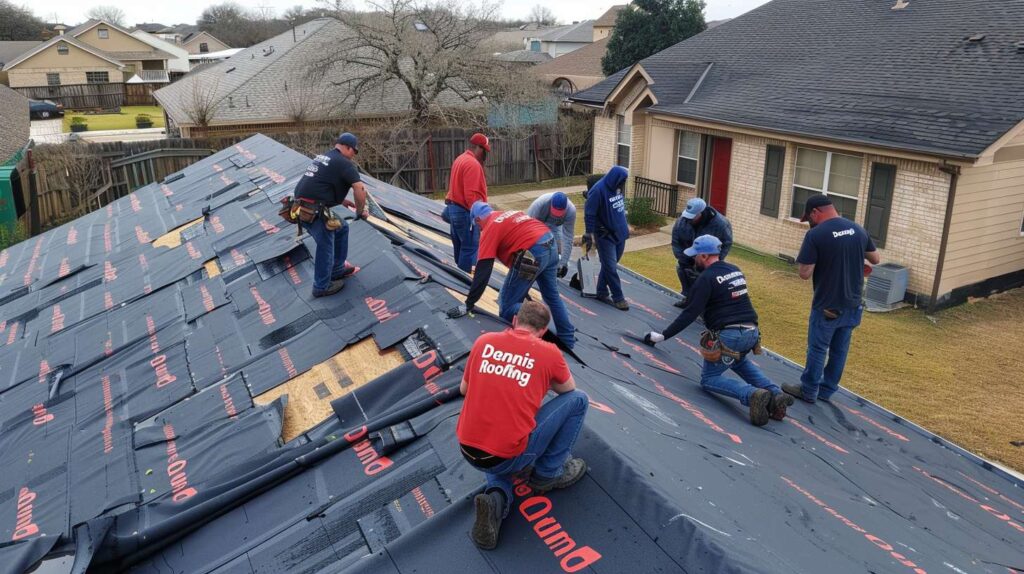
Here’s the question I ask before I touch a ladder: when, exactly, does the stain wake up? If the answer is “after showers,” that rules one thing out immediately – we’re not dealing with weather-driven entry. Now we’re left with two likely sources: something in the bathroom’s plumbing system above, or something in the building envelope. That’s a much shorter list, and timing gets us there in under a minute.
Follow the Cue Line From Stain to Source
What the drip pattern says before we open anything
Eight minutes with the upstairs shower tells me more than eight guesses from the floor below. One Saturday morning in Park Slope, a brownstone owner had already paid a handyman to patch exterior flashing because a stain kept spreading on the second-floor ceiling. It hadn’t rained in four days, but the stain was still damp. I asked her to run the shower upstairs for eight minutes, then stop – and the wet edge bloomed in almost a perfect oval right where the shower valve wall lined up below. That oval told the whole story. Carla Ndukwe, 17 years into leak diagnosis that separates plumbing paths from roofing failures without tearing the building apart first, and I’ve rarely seen a shower-triggered stain that didn’t show its hand inside one controlled test.
A leak like this behaves like backstage wiring: what you see on the ceiling is rarely where the problem begins. The stain is what the audience sees – the real action is happening above, behind, or earlier in the sequence. Water moves along framing members, follows pipe penetrations through subfloor, and wicks along drywall paper for a surprising distance before it drips. A spot two feet from the drain can still trace straight back to the drain. Follow that line a little further, and the actual origin usually reveals itself.
Narrowing from there, the most common sources in Brooklyn’s stacked bathrooms – the brownstones and rowhouses along streets like East 21st, the co-op stacks in Flatbush, the prewar apartments where bathroom directly sits above bathroom – come down to four candidates: the valve wall behind the tile, the drain assembly and tub shoe connection, the shower pan or floor assembly, and the supply line itself. Vertical alignment matters here. If the ceiling stain is directly under the drain, that rules one thing out – it’s not the supply line. If it shifts toward the wall, now we’re looking at valve body or supply. That rules the drain out. The path narrows every time you ask where, not just why.
| Observed Clue | Most Likely Source | What We Test Next |
|---|---|---|
| Wet spot blooms after shower, then slows down | Drain or tub shoe connection | Run shower without spraying walls; inspect drain path directly below |
| Leak shows after water is on but before anyone steps in | Supply line or valve body | Run water at showerhead with drain monitored; isolate valve from pan |
| Leak increases when someone stands in the shower | Pan or floor assembly failure | Static pan test followed by load test with shifting body weight |
| Leak only appears during or after rain | Roof, flashing, or exterior envelope | Exterior inspection and moisture tracing from above |
Mistakes That Send People to the Roof Too Early
Blunt truth – water is a liar once it gets behind drywall. It runs sideways along joists, drips from light fixtures three feet from the actual entry point, and leaves stains in spots that have nothing to do with where the failure is. That’s how homeowners end up paying for flashing repairs that never had a chance of solving anything – the stain looked close enough to an exterior wall to make the roof feel plausible. And honestly, I refuse to endorse patching or replacing exterior roofing components when the trigger pattern already points clearly to the bathroom above. That’s not a diagnosis; it’s a guess with a materials cost attached to it.
| Myth | Real Answer |
|---|---|
| “If water is on the ceiling, the roof must be leaking.” | Timing overrules location. A stain that wakes up after shower use is pointing upstairs, not outside – regardless of where it sits on the ceiling. |
| “It hasn’t rained, but the old roof patch could still be the cause.” | Active shower-triggered moisture doesn’t wait for weather. If the stain responds to hot-water use and not to dry weeks, the patch isn’t the problem. |
| “Cracked grout is always the main leak source.” | Grout is cosmetic protection. The waterproof system lives behind the tile – at the pan liner, the drain connection, and the valve body. Grout cracks are a clue, not a verdict. |
| “A dry roof inspection means no leak exists anywhere.” | A clean roof inspection rules out rooftop entry points – it says nothing about interior plumbing routes running through the floor assembly directly above the stain. |
| “More caulk is a diagnosis.” | Caulk applied before the source is confirmed seals the evidence, not the failure. It can mask moisture buildup while the actual problem keeps running behind the wall. |
What Not to Do Before the Source Is Isolated
- Don’t patch roof flashing based on a stain location alone – without rainfall evidence, that repair has no confirmed trigger to address.
- Don’t cut a large exploratory hole in the ceiling before staged testing is complete. You’ll destroy your diagnostic evidence and spend more to restore it.
- Don’t run the shower repeatedly into a ceiling that’s dripping near an active light fixture. Water and live wiring don’t wait for you to finish your test.
- Don’t paint over a damp stain while the moisture source is still unconfirmed. Paint traps moisture, hides active readings, and gives you a false sense that the problem has been handled.
Brooklyn Cases That Changed the Diagnosis Fast
The Midwood clue
Last winter in Midwood, the drip started after pajamas, not after rain. It was just after 7 p.m. – tenant called convinced the storm two nights earlier had cracked something on the roof. The bathroom ceiling light was dripping. The roof was cold and clean; no fresh entry, nothing disturbed at the flashing. What changed the diagnosis fast was sitting in that apartment for 45 minutes. Every drip intensified about ten minutes after the upstairs family began bedtime showers. The real culprit was a loose drain connection under an old cast-iron tub shoe – that tub had been there long enough to outlast three sets of neighbors, and the connection had simply backed off over time. The roof had nothing to do with it.
The Bensonhurst clue
The Bensonhurst job came during a summer heat wave, and the customer was very confident: “It only shows up when it’s humid, so it can’t be the shower.” Older Brooklyn housing stock – the rowhouses, the prewar co-ops, the buildings where every repair layer sits on top of an older one – has a habit of masking the real source under a convincing-sounding theory. I went upstairs and listened. There was a faint tick behind the tile every time someone shifted weight in the shower pan. Cracked grout wasn’t the main problem at all; the pan had a slow failure running underneath it, and warm water use was feeding the ceiling below one careful shower at a time. Local handymen had caulked the grout twice. Both times, the ceiling came back damp inside two weeks. Once the pan was addressed, it stopped.
Next Moves Before You Call for Repair Work
Before anyone sells you a roof fix, can they show you what triggered the leak? Stop using that shower if the ceiling is actively dripping – don’t run another test cycle into a wet fixture. Document the stain now with a photo, and take another after your next shower run. Ask whoever is upstairs when they last showered and for how long. And when a contractor shows up, ask for staged testing results – not a confident theory, not a glance at the ceiling, not a quote for flashing work based on a stain location. Ask them which phase of the shower triggered moisture: supply on, drain running, wall spray, or body weight in the pan. That answer tells you whether they actually ran the test or skipped straight to the repair pitch. Dennis Roofing has been working through exactly these calls across Brooklyn – and that one question separates a real diagnosis from an expensive guess.
The ceiling is the symptom, not the confession.