
Cedar Shingle Roof Replacement – Here’s What It Costs and Why It’s Worth It
Smart. You looked up the real number before calling anyone. Full cedar shingle roof replacement pricing in Brooklyn typically runs somewhere between $18,000 and $55,000+ installed, depending on size, detail complexity, and what’s hiding underneath. Two roofs that look nearly identical from the sidewalk can separate by $12,000 or more once the roof is opened and the actual condition of the deck, flashing, and underlayment gets accounted for.
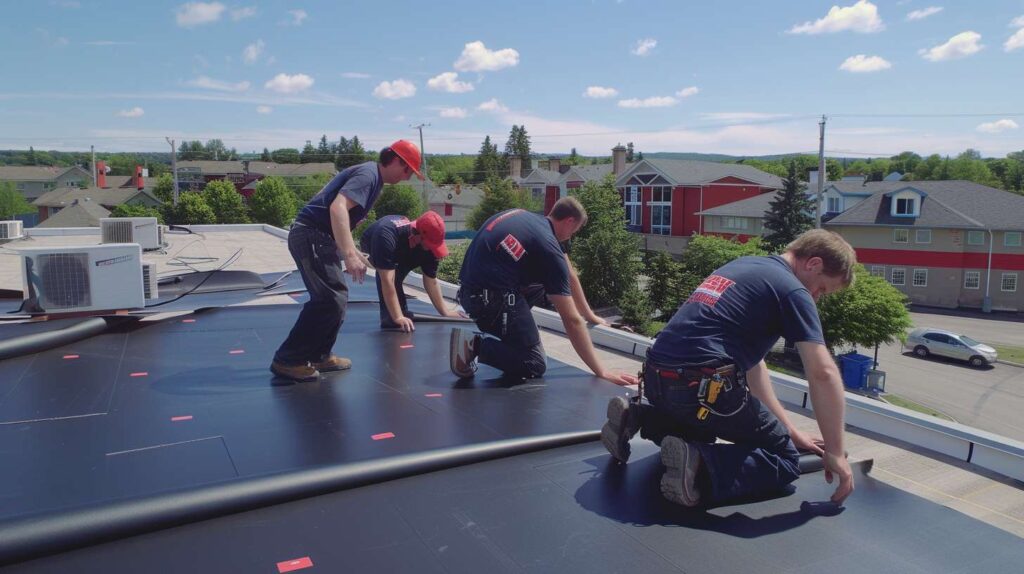
What Brooklyn homeowners usually pay before any hidden damage is counted
In Brooklyn dollars, here’s the part people actually care about first: a straightforward full cedar shingle replacement on a typical detached or semidetached home lands somewhere in the mid-five-figure range when all installed costs are counted honestly. That said, these numbers shift fast depending on what the roof reveals – and cedar has a way of making that point clearly. Think of it like aging brownstone trim: one visible split rarely stays isolated for long. One soft fascia board, one ignored corner, one dried-out caulk line – and before you know it, the repair you kept deferring becomes a full replacement job. Cedar failure doesn’t announce itself all at once. It spreads from the forgotten detail outward.
A baseline quote generally covers new cedar shingles, basic underlayment, and installation labor. What it often doesn’t include yet: sheathing repairs, full flashing replacement, ridge vent upgrades, or disposal of the old roof system. And honestly, I’m never impressed by a tidy low bid that assumes all of those items are magically fine – because in Brooklyn, on a roof that’s been up for 20-plus years, they usually aren’t. A quote that skips those line items isn’t a better deal. It’s an incomplete document.
Typical Project Range
$18,000 – $60,000+
Full installed replacement in Brooklyn, NY – scope and condition dependent
Main Cost Swing Factor
Deck + flashing condition
What’s underneath the shingles moves the number more than shingle grade alone
Typical Project Timeline
3 – 7 days on-site
Once scheduled; extended by significant deck repair or staging complexity
Best Case for Replacing vs. Patching
Repeated leaks at multiple points
When leaks keep tracing back to aging flashing and ridge details, replacement wins financially
Why one quote balloons and another stays honest once the roof is opened
The old wood underneath matters more than the new cedar on top
I’m going to say this plainly: cedar shingle roof replacement pricing gets distorted when a contractor prices the visible layer and quietly sidesteps what happens to the sheathing, underlayment, flashing, or disposal once tear-off starts. I remember being on an estimate in Park Slope around 7:15 in the morning – homeowner had coffee in one hand and three wildly different cedar replacement quotes in the other. We stood on the back patio while I pointed out that two of those numbers didn’t include the rotten skip sheathing we could already see from below. That’s the thing about a low bid: it can look perfectly reasonable on paper right up until tear-off day, when suddenly there’s a conversation about “additional work.” Brett Callahan, after 17 years around roofs and a start in Red Hook millwork, knows that hidden wood movement and rot are what separate a real cedar number from a teaser bid – because when you’ve spent years reading how natural material absorbs and releases moisture, you stop pretending the deck is fine until proven otherwise.
Flashing, valleys, and ridge details decide whether the roof lasts
Last spring, on a cedar tear-off in Windsor Terrace, we pulled back the first few courses near the rear dormer and found skip sheathing that had gone punky in two sections – not catastrophic, but enough to require replacement before new material went down. The underlayment beneath it had turned brittle, which is exactly what happens when a Brooklyn roof has been absorbing freeze-thaw cycles for two decades without a full system update. None of that was visible before tear-off. Brooklyn’s housing stock makes this especially common: brownstones and semidetached homes often have narrow side yards that limit staging access, backyard entry that requires equipment to be walked through the house or over a fence, and attached neighbors who constrain where a dumpster can actually land. All of that affects labor hours and disposal logistics in ways that suburban replacement quotes simply don’t account for.
Once a roof is opened, here’s what actually moves the final number: rotten or delaminated skip sheathing boards that need full replacement; chimney flashing that’s been caulked over instead of replaced properly; valley metal that’s corroded or missing entirely; fasteners that have pulled through brittle shingles and no longer hold; ridge vent decisions that weren’t in the original scope; staging equipment on tight properties; and disposal, which on a dense Brooklyn block isn’t always as simple as rolling a dumpster to the curb. Each of these adds real dollars. And cedar, more than almost any other roofing material, punishes optimistic assumptions.
What Changes Cedar Replacement Pricing After Tear-Off
| What Shows Up Once Opened | Why It Matters | Cost Impact Direction | Known Before Tear-Off? |
|---|---|---|---|
| Rotted or punky skip sheathing boards | New shingles can’t be properly fastened to compromised boards; structural integrity at risk | ↑ $2,000 – $8,000+ | Rarely. Visible from below only in severe cases. |
| Corroded or missing chimney flashing | Most common Brooklyn leak source; caulk-over repairs fail within 2-4 seasons | ↑ $1,500 – $4,500 | Partially – experienced inspector can often flag it during assessment |
| Deteriorated valley metal or open valleys | Valleys carry the heaviest water load; failed valley flashing causes accelerated deck rot | ↑ $800 – $3,000 per valley | Sometimes visible from attic; often not until opened from above |
| Brittle or missing underlayment | The secondary water barrier – if it’s gone, a single shingle failure means interior damage | ↑ $1,200 – $3,500 | No – only visible after shingles are removed |
| No ridgeline ventilation or failed ridge cap | Trapped attic heat accelerates cedar degradation and can void material warranties | ↑ $600 – $2,000 | Ventilation plan can be assessed pre-tear-off with attic inspection |
| Difficult staging / no street dumpster access | Common in attached Brooklyn rows; material must be hand-carried, disposal planned differently | ↑ $1,000 – $4,000 labor/logistics | Yes – a site visit before bidding should flag this |
⚠ Watch Out: Low Cedar Bids That Exclude the Expensive Part
Before you sign anything, ask directly whether the quote includes: a deck repair allowance, full flashing replacement scope (not just touch-up), disposal of the old roof system, and any access or staging equipment the job requires.
An incomplete quote is not the same thing as a lower-cost project. It’s a quote that moves the conversation about the expensive parts to after you’ve already committed. Don’t let that happen.
The checkpoint I use before telling someone to repair or replace
If you were standing next to me at the ladder, I’d ask you one thing: do you want another patch season, or do you want a roof cycle you can actually count on? That’s the real question. Before I give anyone a replace recommendation, I want to know the roof’s age, whether the shingles are still flexible or have gone brittle and cup-cracked, whether fasteners are holding or pulling through, the leak history, and whether past repairs are concentrated around valleys, ridges, and chimney bases – or scattered randomly. If the trouble spots are clustering around details and flashings, that’s not a coincidence. One windy afternoon in Bay Ridge, I walked a cedar roof with a retired architect who kept insisting the shingles had “another decade” because they still looked handsome from the sidewalk. Then I lifted a few courses near a valley and found the fasteners were corroded straight through and the underlayment had gone brittle. He laughed and said, “So the roof is basically good-looking and unreliable.” Honestly, one of the better summaries of aging cedar I’ve heard – and it’s exactly the kind of thing you can’t see from the ground.
Looks can fool you for years; fasteners and substrate usually don’t.
Repair vs. Replacement – Cedar Roof Decision Flow
Is the leak isolated to a single, clearly identifiable spot?
Are the shingles still flexible, holding fasteners, and free of widespread brittleness or cupping?
Is underlayment or flashing failing in more than one location?
Has the roof been patched in 3 or more locations in the last 3-5 years?
✓ Targeted Repair May Make Sense
Isolated issue, shingles and substrate still sound, limited repair history – get a scoped proposal with a clear allowance for what’s found underneath.
⚠ Replacement Is the Better Financial Call
Multiple failure points, degraded substrate or flashings, or repeated patching – you’re spending repair money on a roof that’s already decided to quit.
The blunt truth is, cedar punishes wishful thinking. Every repair dollar you spend on a roof that’s actually past its reliable life is a dollar that didn’t go toward the replacement you’ll be doing in 18 months anyway. Here’s the insider reality: if you’ve got multiple leak paths tracing back to aging details – valleys, ridges, chimney bases – rather than one isolated storm hit, budgeting for full replacement almost always protects your money better than another patch cycle. Because the next patch won’t be the last one. It’ll just be the most expensive one before the inevitable conversation about replacement.
Another Repair Cycle vs. Full Cedar Replacement
| Option | Pros | Cons |
|---|---|---|
| Short-term repair campaign |
|
|
| Full cedar replacement |
|
|
Questions worth settling before you compare estimates
What should be written into the proposal
A cedar roof ages a lot like the painted woodwork on an old brownstone – the trouble doesn’t start where you can see it. It starts at the caulk joint nobody touched in 11 years, at the nail hole where the paint cracked, at the bottom edge of a fascia board that sat in a puddle every spring. Natural material failure spreads from the ignored detail outward, and that’s exactly why comparing cedar replacement estimates by total number alone is a bad idea. The scope is what matters. After a summer thunderstorm in Ditmas Park, I got a call from a family who thought they had one small leak over a top-floor hallway light fixture. By the time I traced it back, the problem wasn’t one leak – it was years of patchwork repairs around a cedar ridge and flashing details that had been layered over each other like a winter coat sewn together from six different fabrics. Nothing in that situation was obvious from the outside. But everything pointed to why square footage tells you almost nothing about real cedar shingle roof replacement pricing.
What can stay provisional until tear-off
Brooklyn Cedar Roof Replacement – Questions Homeowners Ask Before Signing
A cedar roof replaced properly is one of the most dependable investments a Brooklyn homeowner can make – and the difference between a roof that performs and one that disappoints usually comes down to how completely the scope was written before the first shingle came off. Call Dennis Roofing for a cedar-specific roof assessment and quote review – we’ll walk the roof with you, show you exactly what we’re looking at, and give you a number that accounts for what’s actually there.