
What’s the Average Cedar Shingle Roof Replacement Pricing?
For most homes, a cedar shingle roof replacement averages between $25,000 and $60,000+ in today’s market-but that “average” is meaningless until you see what’s driving your number up or down. I’ve priced hundreds of these jobs over the past decade in Brooklyn and across New York, and the difference between a $28,000 roof and a $55,000 roof usually comes down to five or six specific factors that have nothing to do with someone trying to overcharge you. It’s about the actual work your particular house demands.
Let me break this down the way I do when I’m sitting at someone’s kitchen table with my estimate sheet. We’ll start with what makes up that total number, then look at real examples so you can figure out where your house probably falls.
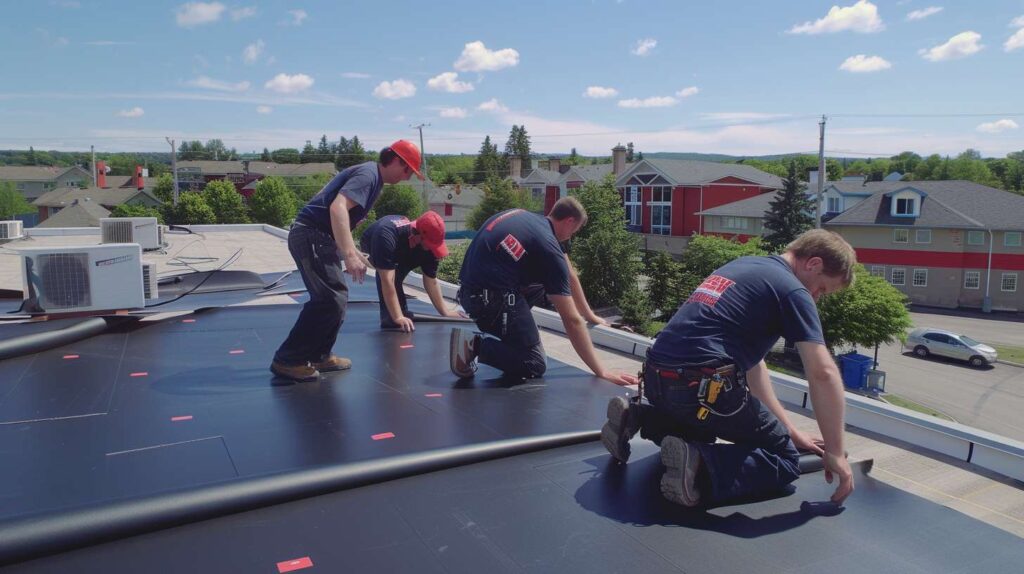
The Five Main Cost Buckets in Every Cedar Shingle Roof Replacement
Every cedar shingle roof replacement cost breaks into the same basic pieces, and understanding these helps you spot where your job sits on that $25,000-$60,000+ spectrum:
Materials ($8,000-$18,000 for an average 1,800-2,200 sq ft roof): This covers the cedar shingles themselves, underlayment, ice and water shield, ridge caps, flashings, and ventilation components. Cedar shingle grade matters enormously here- 1 Blue Label eastern white cedar runs $650-$850 per square (100 square feet of coverage), while 2 Red Label might be $450-$550. The quality difference shows up in grain consistency, fewer knots, and better long-term durability. On a 20-square roof, that grade difference alone is $4,000-$6,000.
Labor ($10,000-$25,000): This is where roof complexity destroys “average” pricing. A simple gable roof with 5/12 pitch takes my crew about 4-5 days. That same square footage split across three dormers, two valleys, and an 11/12 pitch? We’re talking 7-9 days, plus scaffolding rental and additional safety equipment. Cedar shingles require more precision than asphalt-each course needs proper exposure, spacing for expansion, and two nails per shingle in exactly the right placement. Rush this and you’re looking at cupping, splitting, and early failure.
Tear-Off and Disposal ($2,500-$5,500): Removing old roofing and hauling it away costs more in Brooklyn than you’d think. Dumpster permits, limited street access, multiple stories, and disposal fees all add up. If you’ve got two or three layers of old asphalt under those failing cedar shingles-which I see constantly on pre-war Brooklyn row houses-removal takes an extra day and another dumpster.
Decking and Structural Repairs ($1,500-$8,000+): Here’s the number that changes most between estimate and final invoice. I budget for replacing 15-20% of roof decking on most older homes as a baseline, but I’ve seen jobs where we replaced 60% because of decades of ice dam damage or a slow leak nobody caught. Solid 3/4-inch plywood or 1×6 skip sheathing (depending on your existing structure) runs $85-$110 per sheet installed, and rafter repairs or reinforcement work adds more.
Overhead, Profit, and Insurance ($4,000-$10,000): A legitimate roofing company carries workers’ comp, general liability, and maintains proper licensing. That’s not padding-it’s protecting you from having someone’s injury become your lawsuit. This portion also covers project management, permits, warranty administration, and the business costs of staying available when you need service down the road.
Real Brooklyn Examples: What Different Roofs Actually Cost
Let me walk through three actual cedar shingle roof replacements I’ve priced in the past year, because seeing real numbers on real houses tells you more than any formula:
The Park Slope Two-Story Colonial (22 squares, simple gable): This was about as straightforward as cedar work gets. Basic rectangular footprint, 6/12 pitch, good attic access, one layer of existing asphalt shingles over the original cedar. Customer chose 2 Red Label cedar shingles, synthetic underlayment, and standard aluminum flashings. Total: $29,800. Breakdown was roughly $9,200 materials, $13,500 labor (5 days with a four-person crew), $2,800 tear-off and disposal, $1,800 decking repairs (replaced about 12 sheets), $2,500 overhead and profit. This is your true baseline number for an uncomplicated Brooklyn roof.
The Carroll Gardens Row House with Dormers (18 squares, complex): Smaller square footage but much higher price-$41,200. Why? Three dormers, two skylights, steep 10/12 main pitch, shared party walls requiring extra flashing detail, copper valley flashings (customer request), and 1 Blue Label shingles. Labor jumped to $18,500 because of complexity and an extra three days on site. We also found significant decking rot around the dormers-added $3,200 in structural repairs we couldn’t see until tear-off. Material cost hit $12,800 with the upgraded shingles and copper work.
The Bay Ridge Victorian with Turret (28 squares, architectural nightmare): This is the kind of roof where “average pricing” doesn’t even apply. Multiple roof planes, a conical turret, ornamental brackets, 12/12 pitch in sections, required scaffolding on three sides, custom curved flashings, and the homeowner insisted on premium 1 Blue Label with staggered coursing for visual interest. Final price: $67,400. Labor alone was $32,000 (eleven days with scaffolding rental), materials hit $19,500, and we replaced 40% of the decking for another $6,800. Beautiful job, but this illustrates why asking “what’s average” can mislead you if your house has serious architectural character.
Square Footage vs. Complexity: Why Size Isn’t Everything
Most homeowners assume cedar shingle roof replacement cost scales linearly with square footage. It doesn’t. I’ve priced 2,000 square foot roofs for $28,000 and 1,600 square foot roofs for $46,000, and both prices were completely fair based on what each job demanded.
Here’s what actually drives labor costs up: Roof pitch over 8/12 requires additional safety equipment and slows installation significantly. Each dormer adds cuts, valleys, and flashing detail. Every penetration (chimney, skylight, plumbing vent, kitchen exhaust) requires careful flashing work. Hips and valleys demand more precision and waste more material on angled cuts. Limited access-think narrow Brooklyn side yards or no driveway-means more hand-carrying of materials and slower tearoff.
The complexity multipliers I use: Basic gable roof is your baseline cost per square. Add 15-25% for a hip roof with multiple planes. Add another 20-35% if pitch exceeds 9/12. Each dormer adds $1,800-$3,200 depending on size. Turrets or curves? Custom pricing, usually $4,500-$8,000 for even a small conical section because everything’s cut by hand and proper water management is critical.
Cedar Shingle Grade and Quality: Where to Spend, Where to Save
This is the decision that most impacts your material costs and long-term value. Cedar shingles come in several grades, and the differences matter more than most roofing materials because cedar is a natural product with significant variation.
1 Blue Label (100% heartwood, edge grain, no knots): $650-$850 per square. This is the premium grade. Better rot resistance, more consistent appearance, longer lifespan. On a quality installation with proper maintenance, I’ve seen Blue Label roofs still looking good at 35-40 years. For a 20-square roof, you’re looking at $13,000-$17,000 just for the shingles.
2 Red Label (mostly heartwood, limited flat grain and knots): $450-$550 per square. This is the middle grade and honestly what I install most often. You’ll see some color variation and occasional knots, but it performs well and ages attractively. Expect 25-30 years with proper care. Same 20-square roof runs $9,000-$11,000 for shingles.
3 Black Label (mix of heartwood and sapwood, visible defects): $300-$400 per square. I rarely specify this for a whole roof-it’s fine for accent work or secondary structures, but the inconsistency bothers most homeowners and longevity drops to 15-20 years.
Here’s my standard advice: If you’re planning to stay in the house 15+ years and the architecture deserves it (Victorian, Craftsman, quality Colonial), spend the extra $4,000-$6,000 for Blue Label. You’ll appreciate the appearance and won’t need to reroof again in your lifetime. If it’s a simpler house or you’re not sure about long-term occupancy, Red Label delivers excellent value. Skip Black Label unless budget is absolutely desperate-the minimal savings aren’t worth the compromised appearance and shorter life.
The Hidden Cost Wild Card: Decking and Structural Repairs
This is where estimates most often increase during the job, and it’s usually nobody’s fault. You simply cannot see decking condition until the old roofing comes off. I’ve learned to have a frank conversation about this upfront: “I’m budgeting $2,200 for decking repairs based on what I can see from the attic and some probing, but we won’t know the real number until day one of tearoff.”
Common scenarios I see in Brooklyn: Ice dam damage along eaves where water’s been backing up for years-this often means replacing the first three feet of decking around the entire perimeter. Old skip sheathing that’s degraded (common on pre-1950s homes)-sometimes we end up installing a full plywood overlay at $4,500-$6,500. Chimney flashing failures that rotted surrounding decking-usually $800-$1,500 to repair properly. Bathroom or kitchen exhaust vents that leaked into the attic space-I’ve seen single small leaks rot a 4×8 area of decking.
The material itself isn’t terribly expensive-3/4-inch CDX plywood runs $65-$80 per sheet delivered. But the labor to remove old decking, check and sister damaged rafters if needed, and install new sheathing adds up quickly. Budget about $85-$110 per sheet installed as a rough guide.
My approach: I include a reasonable decking allowance in every estimate (usually 15-20% of roof area), and I document everything during tearoff with photos before proceeding with unexpected repairs. Dennis Roofing handles it this way to keep trust intact-no surprise bills, just clear communication when hidden problems appear.
Brooklyn-Specific Cost Factors You Can’t Ignore
Location matters more than most national pricing guides admit. Brooklyn cedar shingle roof replacement costs run 15-25% higher than suburban or rural areas for specific reasons:
Permitting and compliance: NYC Department of Buildings permits aren’t optional and aren’t quick. Permit costs run $500-$1,200 depending on scope, and processing adds time to project schedules. Some Brooklyn neighborhoods have landmark designation or historic district requirements that demand specific materials and methods-this can add 10-20% to costs but isn’t negotiable.
Access and logistics: Many Brooklyn roofs have zero driveway access. We’re hand-carrying materials up three stories, loading from the street (which requires permits and parking management), or craning materials over buildings. A crane rental for a difficult access job runs $2,500-$4,000 for the day. Street parking restrictions mean we sometimes work split shifts or weekend hours, increasing labor costs.
Disposal and environmental requirements: Brooklyn disposal fees are brutal. A 30-yard dumpster runs $800-$1,200 for the rental period, and dumping fees add another $600-$900. If there’s any asbestos present (common in pre-1980s homes), you’re looking at certified abatement and specialized disposal at $3,000-$8,000 additional.
Labor market: Skilled cedar installers command premium wages in the NYC metro area. A qualified cedar specialist makes $350-$500+ per day, and you want them-rushing through a cedar roof with lower-skilled labor creates problems that show up in 3-5 years instead of 25-30.
Cedar Shingle Roof Replacement Pricing Breakdown by Roof Size
| Roof Size | Square Footage | Simple Design | Moderate Complexity | High Complexity |
|---|---|---|---|---|
| Small | 1,200-1,600 sq ft (12-16 squares) | $18,000-$26,000 | $24,000-$34,000 | $32,000-$46,000 |
| Average | 1,800-2,200 sq ft (18-22 squares) | $25,000-$36,000 | $33,000-$48,000 | $45,000-$62,000 |
| Large | 2,400-3,000 sq ft (24-30 squares) | $34,000-$48,000 | $44,000-$62,000 | $58,000-$82,000+ |
| Very Large | 3,200+ sq ft (32+ squares) | $46,000-$64,000 | $58,000-$78,000 | $72,000-$105,000+ |
Note: Simple design = basic gable, minimal penetrations, pitch under 7/12. Moderate = hip roof or some dormers, 7-9/12 pitch. High complexity = multiple dormers, turrets, steep pitch 10/12+, architectural detail.
Installation Details That Affect Cedar Shingle Roof Replacement Cost
The actual installation method matters more for cedar than for most roofing materials. Cedar shingles require specific techniques that directly impact both cost and longevity:
Proper exposure and spacing: Standard exposure is 5 inches for 16-inch shingles, 5.5 inches for 18-inch shingles. Each shingle needs 1/8-inch to 1/4-inch gaps between neighbors for expansion when wet. Rushing this creates problems-tight-packed shingles cup and split as they cycle wet and dry, while excessive exposure means shorter coverage and earlier replacement. Good crews maintain consistent exposure and spacing; it takes longer but eliminates most future problems.
Underlayment choice: Traditional 30 felt paper runs $40-$55 per roll and works fine. Synthetic underlayment (my preference) costs $75-$95 per roll but lies flatter, doesn’t wrinkle, and handles foot traffic better during multi-day installations. Ice and water shield along eaves and valleys adds $180-$240 per roll but stops 90% of leak problems before they start. On a typical Brooklyn roof, upgrading to full synthetic underlayment adds $800-$1,200 to material costs-worth every dollar in my opinion.
Ventilation systems: Proper ventilation extends cedar life significantly by managing moisture in the roof assembly. Ridge vents, soffit vents, and adequate attic airflow prevent premature rot and cupping. A complete ventilation upgrade (ridge vent installation, baffles, soffit work) adds $1,200-$2,800 but can add 5-10 years to your roof life. I won’t install a cedar roof without addressing ventilation-it’s professional malpractice not to.
Flashing quality: This separates adequate installations from great ones. Aluminum flashings are standard and acceptable ($15-$25 per linear foot installed). Copper flashings cost $40-$65 per linear foot but last literally forever and develop that distinctive patina. For valleys, chimneys, and wall flashings on a quality home, copper makes sense. It adds $2,500-$5,500 to an average job but eliminates the most common failure points.
When to Replace vs. Repair: Cost Considerations
Not every failing cedar roof needs complete replacement. Here’s how I advise homeowners on the repair-versus-replace decision:
Consider repairs if: Your roof is under 20 years old, damage is localized to one area (maybe storm damage or a specific leak), and at least 70% of shingles are in good condition. Repairs might run $2,500-$8,000 depending on extent. I’ve done valley replacements, dormer section rebuilds, and significant patching that bought homeowners another 5-8 years.
Replace when: The roof is 25+ years old, you’re seeing widespread curling or splitting, multiple leak areas exist, or you’re planning to sell within a few years (buyers and inspectors kill deals over marginal roofs). Also replace if you’ve got multiple layers already-going to a third layer over cedar is asking for structural problems and violates code in most areas.
The math: If repair estimates exceed 40% of replacement cost, replace. You’re just delaying the inevitable while throwing good money at a dying roof. At 60%+ of replacement cost, repairs make zero financial sense-you’re paying premium rates for patchwork instead of getting a fresh 30-year roof.
How to Get Accurate Cedar Shingle Roof Replacement Pricing
Here’s my process for getting realistic numbers, and what I recommend when homeowners call for estimates:
Get at least three detailed estimates from contractors who specifically do cedar work regularly. General roofers who mostly install asphalt will either overprice cedar to cover their uncertainty or underprice it and make up costs during the job. Ask how many cedar roofs they installed last year-if the answer is fewer than 10-15, keep looking.
Demand itemized estimates. A single lump-sum number tells you nothing. You want materials broken out by type, labor separated from materials, and a clear statement about decking repair allowances. This lets you compare apples to apples when three different contractors give you wildly different numbers.
Ask about hidden costs upfront: permit fees, disposal costs, access difficulties, potential structural repairs. A contractor who says “everything’s included, no surprises” either hasn’t thought it through or is planning to nickel-and-dime you with change orders. Better answer: “Based on what I can see, here’s my allowance for unknowns, and here’s how we’ll handle it if reality differs.”
Check references specifically for cedar work, and if possible, look at jobs that are 5-10 years old. A cedar roof a year after installation looks great if the installer was halfway competent. A cedar roof at seven years shows you whether they got the details right-proper spacing, adequate ventilation, quality flashings.
Verify insurance and licensing thoroughly. In Brooklyn, you want a contractor with NYC Department of Consumer Affairs licensing, current general liability ($2M+ coverage), and workers’ comp for all employees. This isn’t optional-if someone gets hurt on your property and the contractor isn’t properly insured, you’re personally liable. That $8,000 you “saved” hiring the cheap crew becomes a $300,000 lawsuit.
What Dennis Roofing Brings to Cedar Shingle Roof Replacement
We’ve specialized in cedar work throughout Brooklyn for over two decades, and we approach pricing the same way I’ve outlined here: transparent buckets, realistic allowances for unknowns, and clear communication when conditions differ from estimates. Our typical cedar shingle roof replacement runs $27,000-$58,000 depending on complexity, with most Brooklyn homes landing in the $32,000-$46,000 range for quality materials and thorough installation.
We provide itemized estimates, document all decking and structural conditions during tearoff before proceeding with repairs, and warranty both materials and workmanship for 10 years. Most importantly, we’re here in five years when you need that small repair or have a question-not disappeared to the next borough or out of business.
Final Thoughts on Cedar Shingle Roof Replacement Cost
If you’re looking for a single “average” number to plan around, figure $35,000-$42,000 for a typical Brooklyn home with moderate complexity. But use that only as a starting point-your actual number depends on your specific house, the quality level you choose, and what we find when the old roof comes off.
The smarter approach: Understand the cost drivers, decide which quality factors matter for your situation, and budget 15-20% above the baseline estimate for contingencies. Cedar shingle roofs are significant investments, but they deliver curb appeal, longevity, and character that no other residential roofing material matches. Price it right, install it properly, and you’re looking at 30+ years of beautiful, low-maintenance performance.