
Professional Cedar Roof Repair Services in Brooklyn, NY
Most Brooklyn homeowners call us about cedar roof repair after they spot water damage on a bedroom ceiling or see daylight through the attic boards. By that point, we’re usually looking at $3,200-$8,500 in repairs instead of the $850-$1,400 it would have cost to fix the same problem eighteen months earlier when it was just three split shingles and a loose flashing corner. Here’s what I’ve learned after two decades working with cedar roofs: the damage you can see from your stoop-the curling shingles, the dark streaks, that one patch that looks different from the rest-started small, in predictable spots, and almost always could have been caught early with a proper inspection.
The tricky thing about cedar in Brooklyn is that what looks like “character” to most homeowners is often the beginning of real trouble. That silvery-gray weathering? Beautiful and totally normal. Those black streaks running down from the ridge? That’s moss holding moisture against the wood-not normal, not good, and definitely repairable before it rots through. The difference matters, and knowing which is which is exactly what professional cedar roof repair is about.
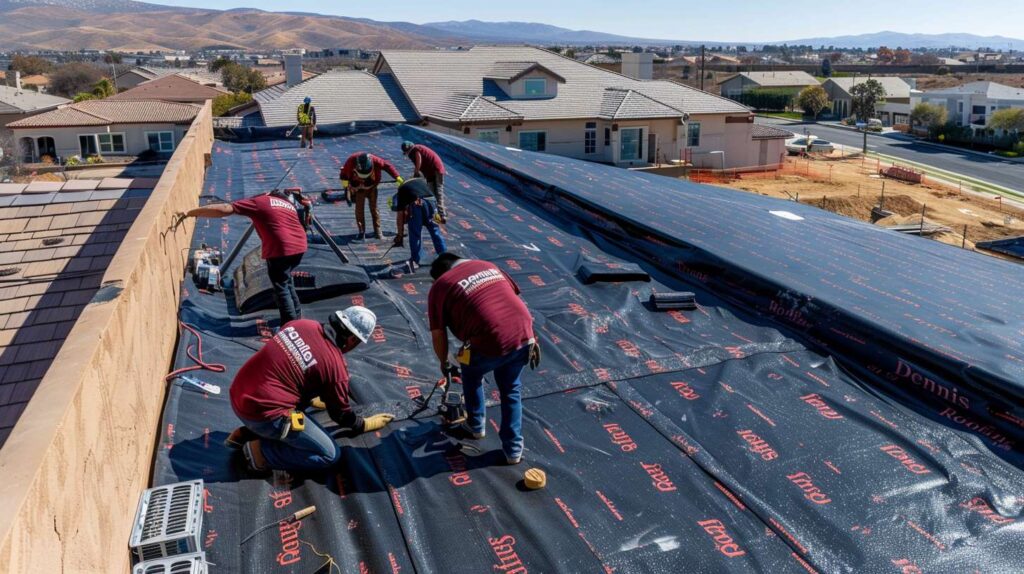
What Actually Needs Repair on a Cedar Roof
Last spring I climbed onto a Park Slope brownstone where the owner was convinced she needed a full roof replacement. She’d gotten two quotes, both over $40,000, and was bracing herself for the expense. What she actually needed was 47 replacement shingles on the south-facing slope (where UV exposure had dried them out), new step flashing along the chimney where ice dams had lifted the old metal, and a valley re-weave where two roof planes met and water had been concentrating for years. Total cost: $4,100. The rest of her 19-year-old cedar roof was completely sound-tight shingles, solid underlayment, good nailing pattern.
That’s a real project from March 2024, and it illustrates the core principle of cedar roof repair: you fix what’s broken and preserve what’s working. Cedar shingles don’t all fail at once. They fail in zones based on sun exposure, water flow, shade patterns, and how they were originally installed. A skilled repair isolates those problem zones and addresses them before the damage spreads.
The main issues we repair on Brooklyn cedar roofs break down like this:
- Split and cracked shingles – Usually from thermal expansion/contraction cycles or impact damage from falling branches
- Curling or cupping – Happens when shingles weren’t properly back-primed or when they’re past their service life in high-exposure areas
- Missing shingles – Wind damage, especially after Nor’easters when sustained 40+ mph gusts hit exposed corners
- Moss and algae growth – Common on north-facing slopes and anywhere tree canopy creates constant shade
- Failed flashing – Around chimneys, skylights, valleys, and wall intersections where metal or rubber has corroded or separated
- Soft or spongy sections – Indicates water infiltration has reached the decking, requiring shingle removal and substrate repair
Each problem has a specific repair approach, and most repairs can be done without disturbing the surrounding undamaged cedar. That’s the advantage of working with individual shingles rather than large sheets of roofing material.
How Cedar Roof Repair Actually Works
When I start a repair, the first thing I do is document everything with photos-close-ups of the damaged areas, wide shots showing the surrounding context, and underneath views from the attic if there’s access. This isn’t just for the estimate; it’s so you can see exactly what I’m seeing. I’ll literally hold a good shingle next to a bad one and show you the difference: the split grain, the cupping that’s pulling the nails up, the soft spot where water’s been sitting.
The actual repair process depends on what we’re fixing, but here’s how the most common repair-individual shingle replacement-works:
First, I carefully remove the damaged shingles without disturbing the surrounding ones. This means sliding a flat bar under the shingle above, lifting it just enough to access the nails, and pulling those nails without tearing the felt paper underneath. Then I check the exposure-the amount of shingle showing below the overlap-and cut new shingles to match. This is critical. On a roof with 5½-inch exposure, your replacement shingles need that exact same reveal, or you’ll create a wavy line that shows from the street.
New shingles get installed with ring-shank nails placed precisely: two nails per shingle, positioned 5/8 to 3/4 inches from each edge and about one inch above the exposure line of the shingle that will overlap it. Too high and the next course won’t cover the nail heads. Too low and you’re nailing through two shingles, which creates a stress point for future splits. Every shingle gets a slight gap on each side-about 1/8 inch-to allow for expansion when the wood absorbs moisture.
For more extensive repairs-say, a whole section of curling shingles on a west-facing gable-we remove everything down to the felt paper, inspect the decking, replace any soft spots, install new 30-pound felt if needed, and then rebuild that section with new cedar that matches the existing roof in grade and cut (we usually use 1 Red Label cedar for repairs, as it matches the quality of most original Brooklyn installations from the 1990s and early 2000s).
Brooklyn-Specific Cedar Problems
Cedar roofs behave differently in different parts of Brooklyn because of micro-climate variations that really matter when you’re working with a natural material that swells, shrinks, and reacts to moisture. Near Coney Island or Sheepshead Bay, salt air accelerates metal corrosion, which means flashing fails faster-we often find ourselves replacing chimney flashing on 12-year-old roofs that would last 20+ years inland. The cedar itself holds up fine to salt air, but every piece of metal around it deteriorates quicker.
In neighborhoods like Cobble Hill, Carroll Gardens, or parts of Fort Greene where mature trees create heavy shade, moss is the main enemy. I’ve repaired roofs where the north-facing slope is almost entirely green with moss growth while the south slope looks perfect. That moss holds moisture against the shingles 24/7, and cedar that stays wet rots. The repair there isn’t just replacing shingles-it includes treating the moss, improving drainage, and sometimes trimming back tree canopy or installing zinc or copper strips at the ridge that release ions when it rains, naturally inhibiting moss growth for years.
Wind-exposed areas like the higher elevations in Windsor Terrace or Bay Ridge see more blow-off damage, especially on roof edges and at rake boards. After every major storm-like that March 2023 system that brought 55 mph gusts-we get calls about missing shingles from the same dozen streets where buildings sit on ridges with no windbreak. The repair often includes upgrading the edge details with starter courses that have better wind resistance.
One thing that surprises people: brownstone and townhouse cedar roofs in Brooklyn age faster than suburban cedar roofs at the same elevation. The urban heat island effect means your roof is cycling through more extreme temperature swings. On a July afternoon, surface temps on a dark cedar roof in Crown Heights can hit 160°F, then drop to 75°F overnight when a thunderstorm rolls through. That expansion-contraction cycle stresses the wood, creating the micro-cracks that eventually become the full splits we replace.
What Cedar Roof Repairs Cost in Brooklyn
Pricing cedar roof repair is more complex than giving a per-square-foot number because every repair is different, but here’s what we actually charge for common scenarios:
| Repair Type | Typical Cost Range | What’s Included |
|---|---|---|
| Individual shingle replacement (10-25 shingles) | $850-$1,400 | Materials, labor, debris removal, minor flashing adjustment |
| Section repair (50-100 sq ft) | $1,800-$3,200 | Shingle removal/replacement, felt inspection, decking check, flashing review |
| Valley repair/rebuild | $1,200-$2,400 per valley | Complete valley strip, new flashing or weave, surrounding shingle integration |
| Chimney flashing replacement | $950-$1,800 | Step flashing, counter flashing, cricket installation if needed, shingle re-weave |
| Moss removal and treatment | $600-$1,100 | Manual removal, biocide treatment, zinc strip installation |
| Partial roof section (200-400 sq ft) | $4,500-$8,500 | Full tear-off of damaged section, decking repair, new felt, cedar installation |
These numbers reflect what we charged in 2024 for typical Brooklyn projects. Your actual cost depends on roof pitch (steeper costs more), access difficulty (some Brooklyn rowhouses require scaffolding), shingle grade matching (if you have premium clear cedar, replacements cost more), and whether we find hidden damage once we open things up.
The biggest variable is always how much of the underlying structure needs attention. When we pull up shingles and find soggy felt paper and soft decking, that changes the scope. A simple shingle replacement might become a $3,000 repair if we’re replacing sheeting and underlayment. That’s why honest roofers always include “subject to inspection” language in estimates-we can see a lot from a ladder, but not everything until the damaged shingles come off.
When Repair Makes Sense vs. When It Doesn’t
Here’s the conversation I have with homeowners at least twice a week: “Should I repair this cedar roof or replace it?” The answer depends on three factors-the percentage of the roof that’s damaged, the age of the cedar, and your timeline for how long you need it to last.
If less than 30% of your shingles show problems and the roof is under 25 years old, repair almost always makes financial sense. You’re spending $3,000-$8,000 now to buy another 8-12 years, versus $35,000-$55,000 for a complete replacement. That math works unless you’re selling the house next year and need a “like new” roof for buyer confidence.
When we’re looking at 50%+ failure-widespread curling across multiple slopes, chronic leaks in several areas, visible sag in the roof deck, or shingles that are uniformly weathered to the point where they’re thin and brittle-then replacement usually makes more sense than ongoing repairs. I repaired a Ditmas Park roof three years ago where we replaced about 40% of the shingles. Two years later the owner called back with leaks in new areas. At that point we both knew it was time for a full roof, and the $6,500 she’d spent on repairs hadn’t really bought her much time. That’s a frustrating outcome, and it’s why I’m honest about borderline situations.
The age factor matters too. Cedar roofs in Brooklyn typically last 25-35 years depending on maintenance and exposure. A 15-year-old roof with localized damage? Repair it. A 28-year-old roof with “minor” problems in three different areas? That’s often the beginning of system-wide failure, and you’re better off planning a replacement in the next 1-3 years while doing only emergency repairs in the meantime.
Finding Repairable Problems Before They Get Expensive
The difference between an $1,100 repair and a $7,000 repair is usually about eighteen months and one missed inspection. Cedar problems are progressive. Three split shingles let water onto the felt paper. The felt stays wet and degrades. Now water reaches the decking. The decking softens. Surrounding shingles start to fail because their nailing substrate is compromised. What started as a simple shingle swap becomes a structural repair.
I recommend cedar roof inspections every 18-24 months in Brooklyn, with additional checks after major storms. Spring is ideal because you can see winter damage-ice dam effects, wind blow-offs, any places where snow sat and created prolonged moisture exposure. Fall inspections catch summer UV damage and let you address problems before winter weather makes them worse.
What you’re looking for (or what we’re looking for during a professional inspection):
From the ground: Any shingles that look darker than surrounding ones, any visible gaps in coverage, any areas where the roof line looks wavy or sagged, and any granular debris in gutters (though cedar doesn’t shed granules like asphalt-if you see wood fibers or pieces in the gutter, that’s deteriorating shingles).
From a ladder at the roof edge: Curling shingle edges, moss growth (looks like dark green or black patches), any shingles that are cracked or split, missing shingles (you’ll see felt paper or darker underlayment showing through), and flashing that’s rusted, separated, or lifting away from chimneys or walls.
From inside the attic: Any daylight showing through the decking, water stains on rafters or sheeting, any areas where the underside of the decking feels soft or looks darker (indicates moisture), and any musty smell (suggests ongoing leak even if you don’t see active water).
Most homeowners can spot obvious problems-missing shingles, visible damage-but the subtle stuff is where experience matters. When I’m on a roof, I’m running my hand over shingles to feel for that early cupping that’s not visible yet, I’m checking nail heads to see if they’re backing out (indicates the shingle is moving), and I’m looking at patterns-does damage cluster near the valley? Are south-facing slopes worse than north? That pattern tells me whether we’re dealing with a localized issue (repairable) or systemic aging (replacement territory).
Why Cedar Repair Requires Specific Experience
Not every roofer does quality cedar repair. It’s a different skill set than installing asphalt shingles or even doing a full cedar replacement. Individual shingle repairs require matching the existing exposure, weaving new shingles into old without creating bumps or lines, and understanding how cedar moves over time. I’ve seen “repairs” done by general roofers where the new shingles stand out like a sore thumb because they used a different grade of cedar, didn’t match the exposure, or nailed through the face of the shingles (you never face-nail cedar except in specific flashing integration situations).
The other issue is that some roofers push replacement when repair would work fine, because replacement jobs are bigger tickets and frankly easier-you tear everything off and start fresh rather than carefully integrating new with old. I’m not claiming we’re unique in being honest about repair-vs-replace, but it’s worth asking any roofer you talk to: “How many cedar repair jobs do you do compared to full replacements?” If the answer is “We mostly do full roofs,” you might be talking to someone whose default recommendation will be replacement.
Working with Dennis Roofing on Your Cedar Repair
When you call us about cedar roof repair, here’s what actually happens: We schedule an inspection (usually within 3-5 days unless it’s an emergency leak). I come out, get on the roof, take photos, and check the attic if you’ve got access. Then we sit down and I show you the photos on my tablet or phone-here’s what’s damaged, here’s what’s fine, here’s what I’m concerned might develop into a problem in the next year or two. You get a written estimate that breaks down materials and labor, usually within 24 hours.
If you approve the work, most repairs get scheduled within 2-3 weeks depending on weather and our current project load (full replacements book out further, but repairs slot in more easily). The actual repair work for a typical job-replacing scattered damaged shingles, fixing flashing, treating moss-takes 1-2 days. We protect your landscaping and property with tarps, clean up all debris (you won’t find bits of old shingle in your yard), and walk you through what we did when it’s complete.
You also get photos of the finished work and a maintenance recommendation specific to your roof-what to watch for, when to call us back for the next inspection, and any DIY maintenance you can handle (like keeping gutters clear and trimming back branches that are dumping leaves onto the roof).
The goal isn’t just fixing today’s problem. It’s helping you understand your cedar roof well enough that you catch the next issue early, when it’s still a minor repair instead of a major project. After 21 years working with cedar in Brooklyn, I can tell you that the homeowners who spend the least on their roofs over time are the ones who stay on top of small repairs and don’t wait for ceiling stains to make decisions.
If you’re seeing damage, noticing leaks, or just want someone who knows cedar to give you an honest assessment of what you’re dealing with, that’s exactly what we do. Give Dennis Roofing a call at our Brooklyn office, and we’ll get you on the schedule for an inspection. Most of the time, what you’re worried about is fixable-and cheaper to fix than you probably think.