
Expert Cedar Roof Inspection Services in Brooklyn, NY
A well-maintained cedar roof in Brooklyn can last 30-40 years, but a neglected one can start failing in 12-15. That dramatic difference comes down almost entirely to one thing: the quality and frequency of professional cedar roof inspections. Most homeowners can’t tell the difference between character and damage when they look up at their cedar shakes or shingles. What you think is natural weathering might be the early stages of rot, and what looks like a problem might just be the patina that makes cedar beautiful. That’s exactly why Dennis Roofing has built our cedar inspection service around one simple goal-turning observations into a clear, prioritized maintenance plan that respects both your investment and your home’s design.
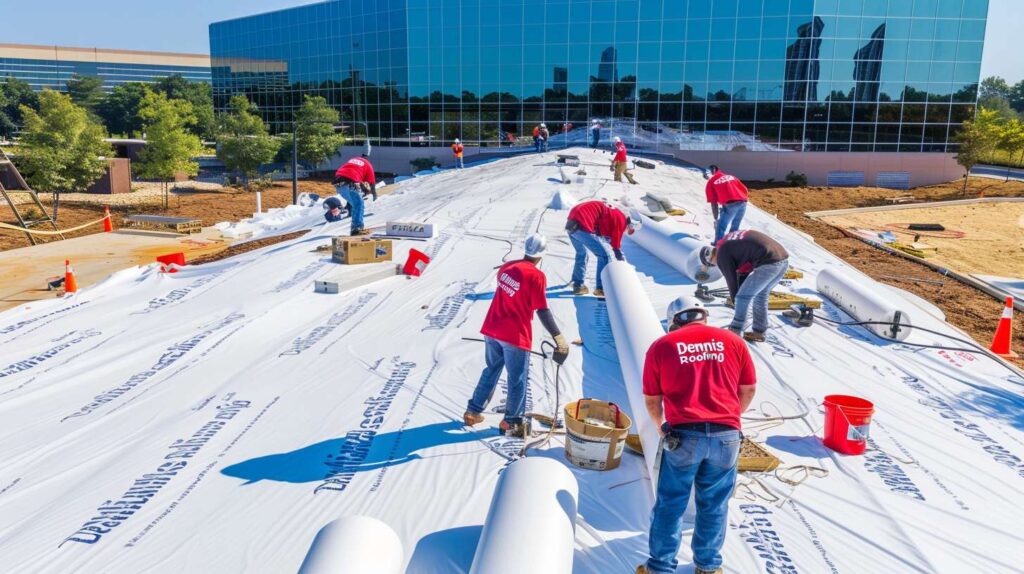
A professional cedar roof inspection covers moisture, UV damage, ventilation, flashing, and underlayment. It’s not just walking the roof and looking for obvious holes. I’m checking fastener integrity, measuring gaps between courses, looking for early fungal growth in valleys, testing the springiness of individual shakes, and documenting how sun exposure is affecting different roof planes. On a typical Brooklyn cedar roof-say a renovated townhouse in Carroll Gardens with southern and northern exposures-I’ll find completely different aging patterns on opposite sides of the same structure. The south-facing slope shows UV bleaching and some cupping from thermal cycling. The north side, shaded by neighbor trees and getting less direct sun, has moss starting in the valleys and slightly higher moisture retention. Neither condition is necessarily an emergency, but both need specific attention, and a good inspection identifies which issues matter now, which can wait, and what preventive steps will buy you another decade.
What Actually Happens During a Cedar Roof Inspection
When I inspect a cedar roof, I start from the ground. I’m looking at the overall shape of the roof plane, checking for sags or dips that suggest sheathing problems underneath. I’m noting which exposures get full sun, which stay shaded, where water would naturally collect during heavy rain. Then I get up on the roof-always walking carefully because cedar shakes can be slippery when damp and fragile when old-and I start a systematic check that covers eight key areas.
First is the surface condition of the cedar itself. I’m looking at color, texture, thickness, and whether shakes are lying flat or starting to curl, cup, or split. Brooklyn’s humidity and our coastal winds create specific wear patterns. On a brownstone-inspired build I inspected in Park Slope last spring, the western exposure showed severe cupping-individual shakes warping into concave shapes that let water sit instead of shedding it. That’s classic UV damage combined with moisture cycling, and it tells me those shakes are nearing end-of-life even if they’re not technically leaking yet.
Second, I check fasteners. Cedar roofs are held down with nails or staples, and over time those fasteners can rust, back out, or lose grip. When a shake is loose, it can flutter in wind, let water underneath, or crack from the movement. I’ll lift a few shakes in different areas to see if fasteners are still solid and whether there’s rust staining.
Third is moisture and decay. I’m pressing on shakes to feel for soft spots, checking butt ends for splitting or delamination, and looking closely at areas where two roof planes meet. Valleys are always vulnerable because water concentrates there. On a landmark-style home in Ditmas Park with mature oak trees overhead, I found early fungal rot in the valley purely because leaf debris had been sitting there for seasons, holding moisture against the cedar and creating perfect conditions for decay.
Fourth, I inspect the underlayment and flashing. This is where many cedar roof problems actually start, but homeowners never see it. Cedar is a breathable material, so proper ventilation and drainage underneath is critical. I check drip edges, step flashing around chimneys, valley metal, and any penetrations like vent pipes or skylights. If metal flashing is corroded or improperly installed, water gets under the cedar layer and starts rotting the sheathing before you ever see a leak inside.
Fifth is ventilation. Cedar needs air movement underneath to dry out between rain events. I check soffit vents, ridge vents, and attic ventilation to make sure there’s a clear path for air. Poor ventilation accelerates rot and reduces cedar lifespan dramatically-sometimes cutting 10 years off what should be a 35-year roof.
Sixth, I document biological growth. Moss, algae, and lichen love cedar, especially in shaded areas. Some growth is cosmetic, but heavy moss holds moisture and can lift shakes over time. I’m noting where growth is happening and how aggressive it is.
Seventh is the overall drainage pattern. I watch where water flows during rain (or simulate it with a hose if needed) to see if gutters are working, if there are any low spots pooling water, and whether the roof pitch is adequate in all areas.
Finally, I check the interior. From the attic, I can see water stains, measure moisture levels in the sheathing, and spot problems that aren’t visible from outside. A roof can look decent from above but show clear evidence of chronic leaking when you examine it from below.
The Difference Between Normal Aging and Actual Problems
This is where homeowner confusion happens most. Cedar changes dramatically over its life. Brand-new cedar is pale, smooth, and tight. After five years in Brooklyn weather, it turns silver-gray, develops surface texture, and individual shakes start showing character-slight variations in color, minor edge wear, maybe some moss in perpetually damp spots. All of that is normal. It’s the patina that makes cedar beautiful and proves it’s doing its job weathering naturally.
But there’s a line where character becomes damage, and that line is different for every roof depending on installation quality, maintenance history, exposure, and tree coverage. Here’s what I’m actually concerned about during a cedar roof inspection:
Cupping and curling beyond minor warping. All cedar shakes will warp slightly as they age-that’s wood moving with humidity changes. But when shakes curl up at the edges more than half an inch, or cup so deeply that they hold water, they’re no longer shedding moisture properly. That’s when small problems accelerate into leaks and rot.
Splitting that extends through the full thickness. Hairline surface cracks are normal. Deep splits that go all the way through the shake and allow water penetration are not. I pay special attention to splits near nail lines, because that’s where shakes are most vulnerable to tearing in high winds.
Soft or spongy texture. Cedar should feel firm and slightly springy when you press on it. If it feels soft, compresses easily, or crumbles at the edges, decay has started inside the wood. Once rot is established, that shake can’t be saved-it needs replacement before it fails completely and lets water reach the sheathing.
Missing shakes or exposed underlayment. Even one missing shake is a problem because it exposes the layer below to direct weather. Brooklyn’s freeze-thaw cycles in winter and intense summer sun will destroy exposed felt or synthetic underlayment quickly.
Biological growth that’s lifting shakes. Light moss is cosmetic. Heavy moss that’s creating gaps between courses or lifting butt ends away from the roof deck is structural-it’s physically changing how the roof sheds water and needs to be addressed.
Common Cedar Roof Issues Found in Brooklyn Homes
Brooklyn’s specific climate and building patterns create predictable cedar roof problems. Our humid summers, winter freeze-thaw cycles, proximity to salt air from the coast, and dense tree canopy in many neighborhoods all affect how cedar ages. Here’s what I find repeatedly during cedar roof inspections across different parts of the borough.
North-facing slope decay in shaded areas. North exposures get less direct sun and dry out more slowly after rain. Add mature street trees that drop leaves and limit air circulation, and you get perfect conditions for accelerated moisture damage. I inspected a cedar roof in Prospect Heights where the south side looked 15 years old and the north side looked 25 years old-same roof, same installation date, radically different wear patterns purely because of sun exposure and shade.
Valley deterioration from debris accumulation. Valleys concentrate water flow, and in Brooklyn’s tree-lined streets, they also collect leaves, seed pods, and organic debris. That debris holds moisture against the cedar and creates rot pockets. Many homeowners never clean their valleys because they’re hard to reach and the debris isn’t visible from the ground. By the time I get called for an inspection, there’s often significant damage that could have been prevented with annual cleaning.
Fastener failure from coastal salt exposure. We’re close enough to the Atlantic that salt air affects metal components. Standard galvanized nails can rust out in 15-20 years in Brooklyn’s coastal climate. When fasteners fail, shakes loosen, flutter in wind, and eventually blow off. I always check fastener condition carefully during inspections because it’s an invisible problem that leads to very visible damage during the next big storm.
Premature UV damage on western exposures. West-facing roof planes take intense afternoon sun, especially in summer. The combination of heat and UV radiation breaks down lignin in the cedar, making it brittle and prone to cupping. Western slopes almost always show the most advanced wear during inspections, even on relatively young roofs.
Inadequate ventilation in retrofit applications. Many Brooklyn cedar roofs are installed on homes that were originally designed for asphalt shingles. The ventilation that works fine for asphalt-which doesn’t breathe-isn’t sufficient for cedar, which needs air movement underneath to stay healthy. Poor ventilation leads to moisture accumulation, mold growth on the underside of shakes, and premature rot. It’s fixable, but it requires adding soffit vents or ridge venting, which isn’t always straightforward in historic buildings.
Cedar Roof Inspection Pricing and What You Get
A professional cedar roof inspection from Dennis Roofing runs $350-$650 depending on roof size, access difficulty, and whether you need thermal imaging or moisture testing beyond standard visual assessment. That covers a complete walk of the roof, interior attic inspection, detailed photo documentation, and a written report that breaks down current conditions, prioritizes needed repairs, and projects remaining lifespan under different maintenance scenarios.
Here’s what that pricing includes and why it’s different from a free roof inspection offered by many companies. Free inspections are sales tools-someone glances at your roof from a ladder and tells you it needs replacement. A paid professional inspection is diagnostic. I’m spending 90 minutes to two hours examining your roof systematically, documenting specific problems with photos, measuring moisture levels in suspect areas, and giving you information you can use to make smart decisions about repair versus replacement, timing, and budget.
| Inspection Component | What We Check | Why It Matters |
|---|---|---|
| Surface Condition | Shake integrity, cupping, splitting, color changes | Determines remaining functional lifespan |
| Fastener Integrity | Nail/staple condition, rust, pull-through, spacing | Prevents blow-offs and loose shakes |
| Moisture & Decay | Soft spots, rot, delamination, fungal growth | Identifies structural problems before leaks start |
| Flashing & Underlayment | Valley metal, step flashing, drip edges, felt condition | Most leaks start here, not in the cedar itself |
| Ventilation System | Soffit vents, ridge vents, attic airflow | Critical for cedar longevity and moisture control |
| Biological Growth | Moss, algae, lichen extent and impact | Determines if cleaning is needed or damage exists |
| Interior Assessment | Attic moisture, staining, sheathing condition | Reveals hidden problems not visible from outside |
The written report you receive includes section-by-section condition ratings, close-up photos of any problems found, repair cost estimates for issues that need attention, and a maintenance timeline. If your roof is in good shape, the report might say “annual cleaning and re-inspection in 3 years.” If there are problems, you’ll get prioritized recommendations-what needs to happen this year, what can wait, and what to budget for down the road.
How Often Brooklyn Cedar Roofs Need Professional Inspection
The standard recommendation is every 3-5 years for a cedar roof in good condition, but Brooklyn’s climate and your specific site conditions might require more frequent inspection. If your roof is heavily shaded by mature trees, has poor ventilation, or is over 20 years old, annual or biennial inspections make more sense. You’re looking for problems early when they’re still small and fixable.
I also recommend inspection after any significant weather event-a hurricane, heavy ice storm, or severe thunderstorm with high winds. Cedar roofs can lose individual shakes in wind events, and even small damage left unrepaired can accelerate into bigger problems over a single winter.
There are also specific visual triggers that should prompt an immediate inspection regardless of your regular schedule: sudden appearance of granular debris in gutters (that’s eroded wood fiber), new water stains on interior ceilings, visible gaps between shake courses when you look up from the ground, or large sections of shakes changing color suddenly (often indicates moisture problems underneath).
What Happens After Your Cedar Roof Inspection
Once I’ve completed the inspection and written the report, we sit down and walk through findings together. I’ll show you photos of problem areas, explain what’s causing each issue, and give you realistic options. Cedar roof problems usually fall into three categories: repairs that extend the roof’s life, maintenance that prevents new problems, and eventual replacement when the roof has reached the end of its functional lifespan.
Repairs might include: Replacing individual damaged shakes, re-securing loose sections, adding or improving flashing in vulnerable areas, addressing ventilation deficiencies, or treating biological growth. Many cedar roofs can gain 5-10 additional years through strategic repairs when caught early.
Maintenance typically involves: Annual cleaning to remove debris from valleys and gutters, periodic moss treatment on shaded sections, tree trimming to improve sun exposure and reduce debris, and gutter maintenance to ensure proper drainage away from the roof edge.
Replacement becomes necessary when: More than 30-40% of shakes are damaged or deteriorated, the underlayment is failing, sheathing has rot damage, or repairs would cost more than 60-70% of replacement value. At that point, you’re maintaining a failing system rather than extending a functional one.
The goal of a cedar roof inspection isn’t to sell you a new roof-it’s to give you accurate information about what you have, what it needs, and how long you can reasonably expect it to last. Cedar is expensive to install, beautiful when properly maintained, and capable of outlasting most other roofing materials if cared for correctly. A professional inspection every few years is the cheapest insurance you can buy to protect that investment and avoid the surprise emergency replacement that happens when small problems go unnoticed until they become structural failures.
Dennis Roofing has been inspecting and maintaining cedar roofs across Brooklyn for nearly two decades. We know the difference between normal aging and actual damage, we understand how Brooklyn’s specific climate affects cedar longevity, and we give you straight answers about what your roof needs right now versus what can wait. If you’ve got a cedar roof and you’re not sure about its condition, or if it’s been more than three years since your last professional inspection, schedule an assessment before the next winter season. The few hundred dollars you spend on inspection typically saves thousands in prevented damage-and buys you years of additional life from a roof you’ve already invested in.