
Professional Bitumen Roof Repair Services in Brooklyn, NY
Professional bitumen roof repair in Brooklyn typically costs $475-$850 for small, targeted repairs (10-30 square feet), $1,800-$3,200 for partial section work, and $4,500-$8,200 for comprehensive repairs on row houses or small apartment buildings. Most leak repairs fall in the $650-$1,200 range when done correctly-which is the key word here.
I’ve lost count of how many times I’ve climbed onto a Brooklyn flat roof in Crown Heights or Sunset Park, water stain report in hand, only to find four or five thick globs of cold patch or hardware-store roof tar smeared over cracks. The homeowner swears they “fixed it” after the last storm. Then the next rain comes, and that ceiling stain spreads even further. Here’s what they don’t realize: bitumen systems-whether it’s built-up roof (BUR), modified bitumen, or torch-down membrane-can’t be properly repaired with surface Band-Aids. The waterproofing happens in layers, not on top of them.
When you see a water stain spreading across your ceiling after a heavy rain, what’s happening on your bitumen roof is rarely obvious from the ground. Maybe it’s a seam that’s pulled apart during a freeze-thaw cycle. Maybe it’s a blister that finally popped during last July’s heat wave. Or maybe-and this is common on Brooklyn’s older buildings-someone patched over a ponding area five years ago, and water’s been slowly working its way under that patch ever since. The only way to know is to get up there with someone who understands how these systems actually fail.
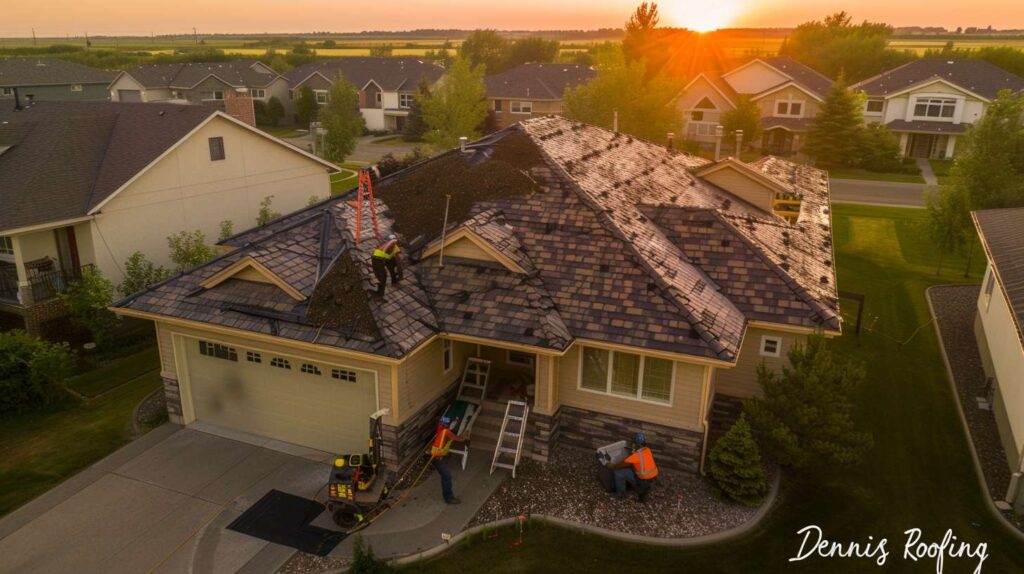
How Bitumen Roofs Actually Fail in Brooklyn
Bitumen roofs are tough. They’re designed for our flat and low-slope buildings, they handle foot traffic reasonably well, and when installed correctly, they give you 20-25 years of solid service. But Brooklyn’s weather puts specific stress on these systems that leads to predictable failure patterns.
Summer heat is brutal. When temperatures hit 95° and that black surface climbs past 160°, the bitumen becomes soft and pliable. UV radiation breaks down the top layer year after year. This creates surface cracking-fine lines at first, then wider fissures as the material loses flexibility. On a Williamsburg mixed-use building I worked on last summer, the south-facing section showed severe alligatoring (that cracked, scaly pattern) while the north side looked ten years newer. Same roof, same age, different sun exposure.
Then winter hits and everything contracts. Those cracks that opened up? Now they’re pathways for water. When that water freezes, it expands, pushing the crack wider. Thaw, freeze, thaw, freeze-by March you’ve got gaps that weren’t there in October. Seams are especially vulnerable. Modified bitumen relies on strong seam bonds, but thermal cycling stresses those connections constantly.
Ponding is the silent killer. On a perfectly flat roof-and let’s be honest, most Brooklyn row houses have dead-flat sections-water sits. And sits. And sits. Even good bitumen can only take so much constant water exposure before it starts degrading. I worked on a Bay Ridge row house where the owner couldn’t figure out why one corner kept leaking. Got up there and found a low spot the size of a kiddie pool. Water was sitting there for days after every rain, slowly working through the membrane.
Wind-driven rain off the harbor creates another problem. When weather comes in from the southwest, it doesn’t just fall on your roof-it drives sideways into every seam, every penetration, every edge detail. That’s when you find out if your flashing was installed correctly.
What Real Bitumen Roof Repair Looks Like
Here’s where homeowners get confused. They think “roof repair” means patching the spot where they see damage. But bitumen systems don’t work that way.
When I’m called for a leak, the first thing I do is inspect the entire roof surface, not just where the homeowner thinks the problem is. Water travels. A leak in your second-floor bedroom might be coming from damage fifteen feet away on the roof. I’m looking for blisters, checking seam integrity, testing suspicious areas with a probe to see if the membrane is still adhered to the substrate, and marking every ponding area.
For a proper bitumen roof repair, you need to cut back to sound material. If there’s a blister, I’m cutting it out completely-not just slitting it and pressing it down. If a seam has failed, I’m cleaning both sides, priming the surface, and installing new membrane that extends at least 6 inches beyond the damaged area on all sides. For torch-down repairs, that means carefully heating both the new membrane and the existing roof to create a genuine bond. For cold-applied modified bitumen, it means proper adhesive application and roller pressure.
On that Crown Heights walkup I mentioned earlier, the roof had been “repaired” six times in eight years. Every repair was just more tar or cold patch slapped over the previous attempt. When we finally stripped back all the patches, we found the original membrane was shot-brittle, cracked, and no longer bonded to the deck. The smart repair at that point wasn’t another patch. We removed the damaged section (about 180 square feet), checked and repaired the substrate, then installed new modified bitumen with proper overlaps and seams. That repair is five years old now and still holding strong.
The Ponding Problem and Why It Matters
Let me get specific about ponding because it’s misunderstood and it ruins more Brooklyn bitumen roofs than anything except neglect.
ASTM defines ponding water as water that remains on a roof surface 48 hours after rainfall. On a low-slope roof-which most bitumen roofs are-you’ll often see water sitting in depressions for three or four days, especially in shaded areas. That constant water exposure does two things: it accelerates UV damage to the cap sheet, and it finds every microscopic gap in the membrane.
Proper repair of a ponding area isn’t just fixing the leak. You need to address the low spot. Sometimes that means adding tapered insulation to create positive drainage. Sometimes it means installing a retrofit drain or scupper. On smaller areas, we can build up the section with additional layers of membrane to create a gentle slope. But here’s the thing: if you just patch the leak and ignore the ponding, you’ll be patching it again next year.
I worked on a Sunset Park row house where water ponded near the parapet wall every rain. The owner had tried roof tar, fabric patches, everything. The leak kept coming back. When we opened up the repair area, we found the original roofer hadn’t properly tapered the insulation at the roof edge-basic installation error. We added a 4-foot section of tapered ISO board, installed new two-ply modified bitumen over it, and detailed the wall flashing correctly. No more ponding, no more leaks.
Different Bitumen Systems, Different Repair Approaches
Not all bitumen roofs repair the same way. What you have matters.
Built-Up Roofs (BUR): These are the classic “hot tar and gravel” roofs, though modern versions often use cold-applied adhesives. BUR repairs typically involve cutting out damaged plies, installing new felts with proper overlaps, and surfacing with either gravel or a compatible coating. The challenge is matching the number of plies-if your roof is four-ply and you only install two in the repair, you’ve created a weak spot.
Modified Bitumen: This is what you’ll find on most Brooklyn roofs installed in the last 25 years. APP (torch-applied) and SBS (cold-applied or self-adhered) modified systems are tougher and more flexible than old BUR. Repairs are cleaner-you’re working with roll goods, not hot kettles. But the key is proper surface prep and achieving full adhesion. I see plenty of modified bitumen patches that look fine from six feet away but are only stuck around the edges. First windstorm and they’re peeling back.
Torch-Down: This is my preferred system for repairs on existing torch-down roofs. When done right, you’re essentially welding the new membrane to the old one. The bond is excellent and immediate. But-and this is important-torching requires real skill. Too much heat and you damage the existing roof or scorch the new membrane. Too little and you don’t get proper adhesion. This isn’t a DIY repair method.
| Repair Type | Typical Cost | Best For | Expected Lifespan |
|---|---|---|---|
| Small seam repair (10-20 sq ft) | $475-$650 | Single seam failure, small blister | 8-12 years |
| Mid-size section (50-100 sq ft) | $1,200-$2,100 | Multiple blisters, ponding area | 10-15 years |
| Large section (200-400 sq ft) | $3,200-$5,800 | Failed quadrant, extensive damage | 12-18 years |
| Flashing/penetration repair | $350-$675 per location | Pipe boots, HVAC curbs, parapet | 10-15 years |
| Emergency leak repair | $650-$1,400 | Active leak, temporary then permanent | Varies by scope |
When Repair Makes Sense vs. When It Doesn’t
This is the conversation I have to have regularly, and it’s not always what people want to hear.
Bitumen roof repair makes sense when you’ve got localized damage on a roof that’s otherwise in good shape. If your roof is 12 years old, the majority of the surface is sound, and you’ve got a leak from a failed seam or a couple of blisters, a targeted repair will buy you another 8-10 years. That’s money well spent. You’re looking at $1,200-$2,800 for a good repair versus $12,000-$22,000 for a full replacement on a typical Brooklyn row house.
But if your roof is 22 years old, showing widespread cracking, has multiple patches that are themselves failing, and you’re calling for the third leak repair in five years, we need to have a different conversation. At that point, you’re putting money into a failing system. Each repair is a temporary fix that’s buying you maybe 18 months before the next problem shows up.
I worked on a Bushwick building last fall where the super had been patching the roof for years. When I got up there, I counted nine different patch areas, three different types of materials used, and widespread surface deterioration. The owner wanted one more repair. I told him straight: “I can patch this for $1,800, and you’ll probably get two years out of it. Or you can replace the roof properly and not worry about it for the next 20.” He chose replacement, and honestly, that was the right call. Sometimes the smartest repair is knowing when not to repair.
The Flashing Detail That Everyone Forgets
Most bitumen roof leaks aren’t actually membrane failures. They’re flashing failures.
Your bitumen membrane might be perfectly intact, but if the flashing at your parapet wall wasn’t installed correctly, water’s getting in. If the pipe boots on your plumbing vents have cracked from UV exposure, water’s getting in. If the HVAC curb wasn’t properly detailed when that unit was replaced three years ago, water’s definitely getting in.
Proper flashing repair for bitumen systems means removing the failed flashing completely, checking for damage to the substrate and the membrane beneath it, then installing new flashing with proper laps and terminations. On parapet walls, that means base flashing that extends at least 8 inches up the wall and counter flashing that’s properly regletted into the masonry or capped over the top. For penetrations, it means new boots or pitch pans that are sealed and membrane-integrated.
I see a lot of “repairs” where someone just caulked around a pipe or smeared tar up a wall edge. That’s not flashing repair. It’ll fail in one winter. Proper flashing work costs more-figure $450-$750 per location-but it’s done right and it lasts.
What to Ask a Bitumen Roof Repair Contractor
When you’re getting quotes for bitumen roof repair in Brooklyn, these are the questions that separate pros from patch artists:
“Will you inspect the entire roof or just the leak area?” You want the entire roof inspected. Like I said, water travels, and there might be developing problems that aren’t leaking yet but will be soon.
“What material will you use for the repair?” The repair material should be compatible with your existing roof system. Mixing incompatible materials creates problems. If you have APP modified bitumen, the repair should be APP. If you have SBS, use SBS.
“How will you address the substrate if it’s damaged?” Water leaks often damage the insulation or decking below the membrane. Good contractors check this and address it before installing the new membrane. Bad contractors just slap new material over wet insulation.
“What’s included in your warranty?” Material warranties are standard (manufacturer’s coverage), but what about labor? A good repair contractor should stand behind their work for at least 2-5 years.
“Do you carry proper insurance?” You need a contractor with general liability and workers’ comp. Roofing work is dangerous, and you don’t want to be liable if someone gets hurt on your property.
Maintenance That Prevents Major Repairs
I’ll keep this section short because you’re here for repair information, not a maintenance lecture. But the truth is, most of the serious bitumen roof repairs I do could have been prevented or minimized with basic maintenance.
Have your roof inspected every 18-24 months. Not just after storms-regular inspections. A pro can spot developing problems early when they’re easy and cheap to fix. Clear your drains and gutters twice a year. Remove debris-those piles of leaves and dirt hold moisture against the membrane and accelerate deterioration. If you see a small blister or crack developing, have it addressed immediately. A $350 repair today prevents a $2,200 repair next year.
On Brooklyn’s flat and low-slope buildings, winter is especially tough on bitumen roofs. After significant snow, have someone check that your drains aren’t blocked with ice. Excessive snow load on a flat roof creates stress, and meltwater has to go somewhere. If it can’t drain, it sits, and if it sits long enough, it finds a way through.
Why Dennis Roofing for Your Bitumen Repair
We’ve been repairing bitumen roofs on Brooklyn’s row houses and apartment buildings for over 20 years. We don’t do quick patches that fail in two years. We do proper repairs that address the root cause and stand up to Brooklyn’s weather. When we cut into a repair area, we go back to sound material. When we install new membrane, we follow manufacturer specs for adhesion, overlap, and seam sealing. And when we tell you a roof is beyond smart repair, we’re honest about it-because we’d rather lose one job than have you call us back every year for the same problem.
We work on everything from small owner-occupied row houses to 20-unit apartment buildings. Most bitumen roof repairs are completed in one or two days, weather permitting, and we handle all the logistics-disposal, permits if needed, and coordination with tenants if you’re a landlord.
If you’ve got a leak, a concern, or you’re just not sure if that wet spot on your ceiling is a roof problem or something else, call us at Dennis Roofing. We’ll come out, inspect your bitumen roof properly, and give you a straight answer about what needs to happen. Sometimes that’s a targeted repair. Sometimes it’s a bigger conversation. But you’ll know exactly where you stand and what your options are. That’s how we work, and it’s why our repair customers don’t end up calling us back every year with the same problem.