
Expert Asphalt Flat Roof Repair Services in Brooklyn, NY
Here’s something most Brooklyn property owners don’t know: a properly maintained asphalt flat roof can often last 5-10 years longer than the 15-20 year lifespan you’ll see thrown around-if you catch the right problems at the right time and repair them correctly. But I see the opposite happen constantly. Someone spots a leak, grabs a bucket of roof cement from the hardware store, slaps it over the wet spot, and calls it fixed. Six months later, the problem’s worse, water’s migrating under that patch, and now what could’ve been a $600 repair is a $3,800 section replacement. The difference between getting those extra years and cutting your roof’s life short comes down to understanding what asphalt flat roof repair actually means-and when your roof is telling you it’s still worth fixing.
I’m Frankie “Tar” Donnelly, and I’ve been doing this work with Dennis Roofing for 27 years, most of it on the same kinds of built-up asphalt roofs my grandfather was installing on Brooklyn brownstones in the 1970s. Before we talk about repair methods, you need to know the most important thing: not every asphalt flat roof should be repaired. Some are past that point, and throwing money at repairs is just postponing the inevitable while water damages your ceiling joists and insulation.
When Your Asphalt Flat Roof Is Still a Good Candidate for Repair
Walk up on your roof with me-or look at photos if you can’t get up there safely-and I’ll show you what I’m looking for. An asphalt flat roof that’s worth repairing has localized problems, not systemic failure. You might see a blister the size of a dinner plate near the parapet wall, or a seam that’s opened up along one edge, or ponding in a low spot that’s worn through the top felt layer. These are fixable. What I’m checking is whether the majority of the roof membrane still has integrity-the felt layers are still bonded together, the gravel or mineral surface is mostly intact, and when I push on the surface it feels firm, not spongy.
Here’s the contrast: if I’m seeing alligatoring (that cracked, scaly pattern) across 40% or more of the surface, or if there are multiple soft spots where water’s gotten between the plies, or if the roof’s been patched so many times it looks like a quilt, we’re past repair territory. I had a four-story walk-up in Sunset Park last fall where the owner kept calling us back for leak repairs every spring. Third time I went up there, I told him straight: “You’ve got maybe 30% of this roof that’s still good. We can keep patching, and I’ll keep taking your money, but you’re going to replace this roof in two years anyway, and you’ll have spent $4,200 on repairs that bought you nothing.” He wasn’t happy, but he appreciated the honesty, and we did a full replacement that solved it.
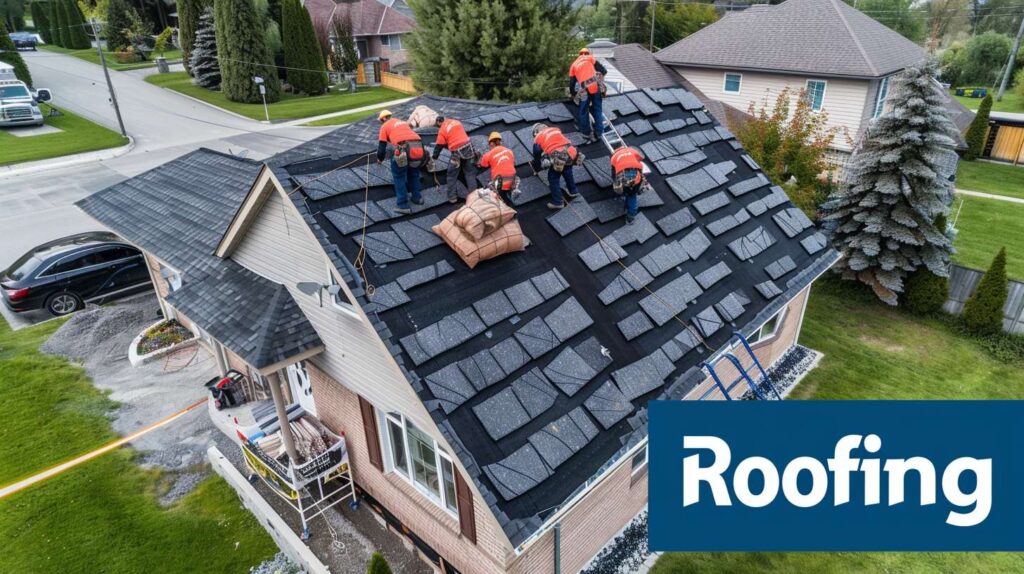
The repairable roof? That’s the one where targeted intervention actually extends the lifespan meaningfully. A blister repair done right-cutting it out, drying the substrate, hot-mopping in new plies-can give you another 7-8 years in that section. A proper flashing detail around a vent pipe stops water from wicking into the deck. These repairs work because you’re addressing a specific failure point while the rest of the system is still doing its job.
What Asphalt Flat Roof Repair Actually Involves
Let me walk you through the real repair methods we use at Dennis Roofing, because “repair” can mean anything from a $285 emergency patch to a $6,800 section restoration, and you need to know what you’re getting.
Blister and bubble repair: This is the most common issue I see on Brooklyn asphalt roofs, especially on buildings with dark-colored cap sheets that absorb heat. A blister forms when moisture or air gets trapped between the felt plies and expands when the sun heats the roof surface. The wrong way to fix it is to just coat over it-the blister will keep growing. The right way is surgical. We cut an X through the blister down to the point where the plies are still bonded, peel back the felt, let any moisture dry out (sometimes we use a torch to speed this up on a dry day), then we hot-mop each layer back down with fresh asphalt, working from the bottom up. Finally, we install a patch that extends at least 6 inches beyond the cut in all directions, with two plies of felt fully mopped in hot asphalt, then seal and coat the edges. Cost typically runs $475-$680 per blister depending on size and access.
I did a three-blister repair on a Bensonhurst row house last June-two were the size of softballs, one had grown to about 18 inches across. The homeowner had been watching them for two years, figured they weren’t leaking so they weren’t urgent. What he didn’t realize was that every winter freeze-thaw cycle was working water deeper into those separations. When we cut into the big one, the bottom felt layer was completely delaminated and the decking was damp. Another year and he would’ve had rot. We dried it out, relaminated everything with hot asphalt, and patched it properly. That repair will outlast the surrounding roof.
Seam and edge repairs: The seams where felt sheets overlap, and the edges where the roof meets flashing, parapet walls, or drip edges-these are the most vulnerable points on any asphalt flat roof. They fail first because that’s where thermal expansion and contraction stress the bond, and where wind-driven rain finds any gap. When a seam opens up, we’re not just sealing the surface. We lift the top ply, clean out any old degraded asphalt or debris, apply hot asphalt to reactivate the bond, press the ply back down with proper overlap, and then install a reinforcing strip over the entire seam-another ply of felt, fully mopped, extending 4-6 inches on either side. The edges get similar treatment, but we’re also checking and often replacing the metal flashing if it’s corroded or poorly installed. Edge repairs run $180-$340 per linear foot depending on complexity and flashing replacement needs.
Ponding water repairs: If water sits on your flat roof for more than 48 hours after rain, you’ve got ponding, and it’s eating your roof’s lifespan. Ponding happens because of settling, inadequate drainage, or poor initial installation-the roof simply doesn’t have enough slope to shed water. Over time, that standing water breaks down the protective mineral surface and starts degrading the asphalt and felt. The repair depends on severity. For shallow ponding (less than an inch deep), we can often build up the low area with layers of tapered insulation and new felt, creating a gradual slope to the drain. For deeper ponding or larger areas, you might need structural correction-adding crickets (small raised sections that divert water) or even addressing the roof deck structure itself. I had a commercial building in Crown Heights where 15 years of ponding in a 10×12 area had compressed the insulation so much that the deck was sagging. We had to sister new joists alongside the compromised ones, install new decking, rebuild the insulation taper, and then restore the membrane. That ran $8,200 for that section, but it was still cheaper than replacing the entire 3,600 square foot roof.
For typical ponding repairs where the structure is sound, expect $1,200-$2,800 depending on area size and whether we’re just building up with felt and asphalt or installing tapered insulation systems.
The Hot Asphalt Advantage Most Roofers Won’t Talk About
Here’s an industry reality: true hot-mopped asphalt repair is becoming rare in Brooklyn, even though it’s often the best method for repairing existing asphalt roofs. Why? Because it requires a kettle, it requires skill, and frankly, it’s harder work than slapping down self-adhering modified bitumen patches or coating everything with elastomeric goop. But when you’re repairing an existing built-up asphalt roof-especially one that’s 15+ years old-heat-welding new asphalt plies with hot-mopped asphalt creates a monolithic bond that cold adhesives simply cannot match.
The hot asphalt reactivates the existing asphalt in the old roof plies, creating a chemical bond where the new and old become one continuous membrane. Cold patches-even the good modified bitumen ones-are mechanically bonded. They’re stuck on top. Over time, especially with thermal cycling, those edges can lift, water can wick under them, and you get secondary failures. I’m not saying cold patches are always wrong-for emergency repairs or small surface cracks, they’re appropriate and cost-effective. But for structural repairs, blisters, seam failures, and anything involving multiple felt plies, hot asphalt is the gold standard.
We keep a kettle on the truck specifically for this reason. Yes, it’s more work. Yes, we have to follow stricter safety protocols (fire watch, kettle monitoring, proper ventilation). But the repairs last. I can show you patches we did 12 years ago that are still perfectly sealed, still moving with the roof through a hundred Brooklyn winters, because they were properly hot-mopped into the existing system.
Flashing Repairs: Where Most Asphalt Roof Leaks Actually Start
If I had to guess where your leak is coming from without even seeing your roof, I’d bet on the flashing-and I’d be right about 60% of the time. It’s not the flat field of the roof that fails first; it’s where the roof meets something vertical. Vent pipes, parapet walls, chimneys, roof hatches, HVAC curbs-anywhere you have a transition from horizontal to vertical, you need flashing, and that flashing needs to be properly integrated into the asphalt membrane.
The problem I see constantly: the original roofer installed metal flashing but didn’t properly tie it into the roof membrane with counterflashing and sealed edges. Or they did, but 18 years of thermal expansion has opened up gaps. Or someone came along later, installed a new HVAC unit, and just caulked around the curb instead of properly flashing it. Caulk fails. It dries out, cracks, shrinks, and suddenly you’ve got water running down the inside of your parapet wall or dripping around your vent stack.
Proper asphalt roof flashing repair means removing the failed flashing, cleaning and preparing the substrate, installing new base flashing that extends at least 8 inches onto the roof surface and up the vertical surface, hot-mopping it into the existing roof membrane so it’s continuous, then installing metal counterflashing over the top, with the top edge sealed into a reglet (groove) or under coping, not just caulked. For vent pipes, we use pitch pans or prefabricated boot flanges-but the critical part is that the flange goes under the top layers of roofing felt and gets mopped in, not just set on top and sealed.
I worked on a Windsor Terrace three-family last spring where they’d been chasing a leak for two years. Three different roofers had been up there, each one coating and sealing around the chimney flashing, charging $300-$500 each time, and it kept leaking. When we got up there, I could see the problem immediately: the step flashing along the chimney was installed over the roofing felt instead of woven into it. Every time it rained, water ran down the brick, hit the flashing, and went right under it because there was no actual integration with the membrane. We pulled all that flashing, installed it correctly with each step piece layered into the roof plies, added proper counterflashing, and sealed the top edge into the mortar joints. That repair was $1,840, but it actually fixed the problem. The previous $1,200 in temporary sealing jobs had bought them nothing.
Cost Breakdown: What You’ll Actually Pay for Asphalt Flat Roof Repair in Brooklyn
Let’s talk real numbers, because “it depends” isn’t helpful when you’re trying to budget. These are current rates for Dennis Roofing working in Brooklyn, and they’re based on standard access and working conditions:
| Repair Type | Typical Cost Range | What’s Included |
|---|---|---|
| Small blister repair (under 12 inches) | $420-$580 | Cut out, dry, hot-mop 2-ply patch, seal edges, gravel replacement |
| Large blister repair (12-24 inches) | $650-$920 | Same process, larger patch, may require substrate drying time |
| Seam repair (per 10 linear feet) | $380-$540 | Lift, clean, re-mop, reinforcing strip installation |
| Edge/perimeter repair (per linear foot) | $180-$340 | Membrane repair, flashing replacement if needed, edge seal |
| Vent pipe flashing repair | $425-$680 | Boot or pitch pan replacement, proper membrane integration |
| Chimney flashing (full perimeter) | $1,600-$2,800 | Step flashing, counterflashing, membrane integration, masonry sealing |
| Ponding water correction (moderate) | $1,200-$2,400 | Tapered insulation or felt buildup, membrane restoration |
| Section replacement (100 sq ft) | $1,800-$3,200 | Remove damaged area, deck inspection/repair, new 3-4 ply system |
| Emergency leak patch | $285-$450 | Temporary waterproofing, surface prep, reinforced patch-not permanent |
A few things affect where you’ll land in those ranges: roof height and access difficulty (a fifth-floor walkup costs more than a two-story with easy ladder access), extent of underlying damage (if we find rotted decking, that’s additional), and whether we’re working in heating season when asphalt handling is more challenging. Most of the residential repairs we do in Brooklyn fall in the $800-$2,400 range total, because we’re typically addressing 2-4 specific problem areas rather than one massive failure.
The Maintenance Repairs That Actually Matter
There’s a category of asphalt flat roof repair that doesn’t fit the emergency leak scenario, but it’s probably the most cost-effective work we do: preventive maintenance repairs. These are the small interventions that stop problems before they become leaks.
Recoating worn areas: Even if your roof isn’t leaking, if you’re seeing exposed felt (the membrane has lost its protective mineral surface or gravel layer), that felt is now taking direct UV damage and will deteriorate rapidly. We clean the area, apply a reinforcing coat of fibered asphalt emulsion, and often embed a layer of granules for UV protection. This runs $140-$280 per 100 square feet and can add 3-5 years to those sections.
Preventive seam sealing: On roofs that are approaching 15 years old, we’ll often recommend going up and reinforcing all the major seams before they open up. It’s not cheap-expect $1,400-$2,600 for an average Brooklyn row house roof-but it’s dramatically cheaper than dealing with multiple seam failures and interior water damage later.
Drain maintenance and clearing: Clogged drains cause ponding, ponding causes membrane failure. Twice-a-year drain cleaning and inspection, including checking the drain flanges for proper sealing, costs $180-$320 and prevents easily 30% of the ponding-related repairs we see.
I worked with a building manager in Greenpoint who oversees eight small apartment buildings, all with asphalt flat roofs installed between 2005 and 2010. Five years ago, he started a maintenance program with us-spring and fall inspections, immediate small repairs, drain cleaning, and preventive seam work. His average annual roof cost per building is $880. His neighbor, who owns a similar building and only calls when there’s a leak, has spent $14,200 on his roof in the same five-year period, including one emergency section replacement and extensive interior ceiling repairs. The math isn’t complicated.
When to Call Dennis Roofing for Your Brooklyn Asphalt Flat Roof
You don’t need to wait until you see water stains on your ceiling. In fact, by that point, you’ve already got damage beyond just the roof membrane. Call us when you see standing water that doesn’t drain within two days after rain. Call when you notice new blisters or existing ones that are growing. Call if your roof is 12+ years old and you can’t remember the last time anyone did a real inspection-not just a guy walking around up there, but someone who knows asphalt systems and can tell you specifically what condition your plies are in and where problems are developing.
The inspection itself is straightforward. I’ll spend 30-45 minutes on your roof, checking membrane condition, looking at seams and flashing, testing suspicious areas for subsurface moisture, photographing problem spots, and checking your drainage. Then we sit down and I show you exactly what I found-photos on my tablet, marked up so you can see what I’m talking about. If you need repairs, I’ll quote them specifically: “This blister near the north parapet, $520 to fix it right. These three seams along the west edge, $890 for all three. The chimney flashing, that’s $1,740.” No mysterious “roof repair” line items, no vague estimates.
And here’s what I’ll also tell you: if your roof is past the point where repairs make financial sense, I’ll say that too. I’m not interested in doing $4,000 in repairs on a roof that needs replacing in 18 months. There’s enough legitimate repair work in Brooklyn to keep us busy without selling people services that don’t serve them.
The asphalt flat roof over your head is a system-layers of felt, asphalt, and protection that work together to keep Brooklyn weather outside where it belongs. When part of that system fails, intelligent repair can restore it and extend its life significantly. When too much of it has failed, replacement is the honest answer. Knowing the difference, and working with someone who’ll tell you straight which situation you’re in, is what makes the difference between roof problems and roof solutions.
We’re Dennis Roofing, we’ve been doing this work in Brooklyn for decades, and if you’ve got an asphalt flat roof that’s showing its age, we can tell you whether it’s worth repairing and exactly what that repair will cost. Call us at the number on this site, or use the contact form, and we’ll schedule an inspection that gives you real answers.