
Clay Tile Roof Repairs Cost More Than You’d Expect – Here’s the Honest Breakdown
Pull out the invoice from the last repair and read what it actually says. Odds are, the tile itself was a small line item – because on a clay tile roof, the material is rarely where the money goes; the real cost sits in what the roofer has to move, inspect, protect, and reassemble around it, which is why clay tile roof repair pricing consistently surprises people who were expecting something closer to a shingle patch quote.
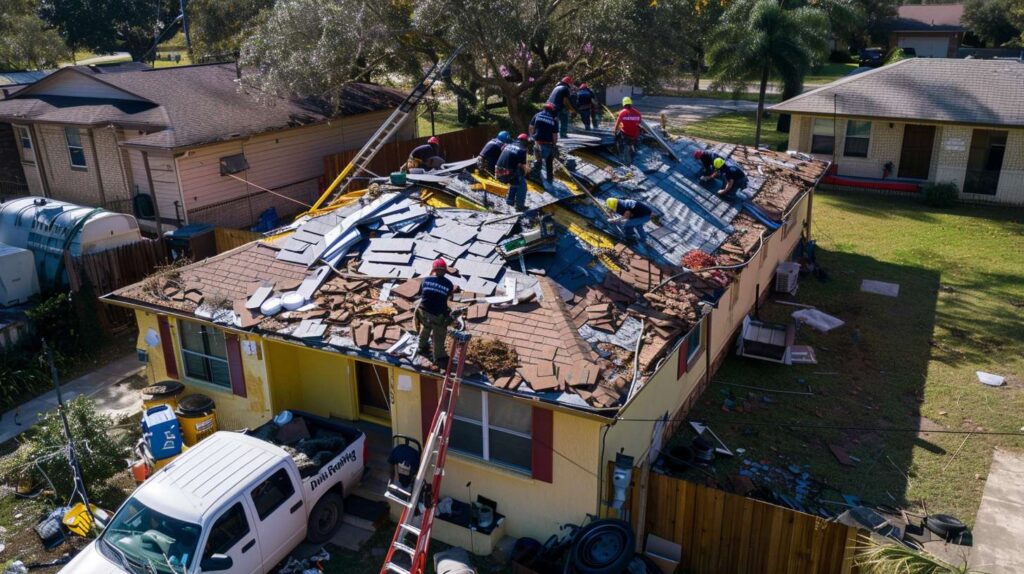
The Number on the Estimate Is Usually About Labor, Not Tile
$1,800 is the number that makes most homeowners stop talking for a second. That’s a realistic mid-range figure for a modest clay tile repair in Brooklyn – not a roof replacement, not a major leak – and the tile itself might account for $80 of it. The rest of the invoice is labor, access, underlayment inspection, and the time required to work carefully enough that a two-tile fix doesn’t turn into a ten-tile problem. Every clay tile repair quote lives in one of three buckets: visible damage you can point at, hidden damage that only shows up after the first lift, and access plus labor that the roof’s age and your property’s layout drive up before anyone touches a single tile.
Here’s my blunt opinion: clay tile is unforgiving when somebody tries to “just patch it.” You’re not paying for clay – you’re paying for precision, controlled disassembly, a real inspection of what’s underneath, and a careful reassembly that doesn’t crack the neighbors. Low quotes that skip that process aren’t saving you money; they’re skipping the part of the system that is actually failing. A cracked tile is a symptom. The underlayment beneath it, the valley metal beside it, the two brittle pieces flanking it – that’s the system, and that’s where the cost lives.
Quick Facts: Clay Tile Repair Pricing
Cheapest Part
The replacement tile itself – in many repairs it’s the smallest line item on the estimate.
Biggest Cost Driver
Safe removal and reset without cracking surrounding field tiles – every piece you break adds to the scope.
Most Common Hidden Add-On
Torn or brittle underlayment that only becomes visible after the first tiles come off.
Local Factor
Tight Brooklyn lots, attached homes, and limited staging space raise setup time before the real work begins.
Visible Damage, Hidden Damage, and the Cost Gap Between Them
Visible damage: what you can point at from the driveway
Last summer in Bay Ridge, I watched a customer’s face change when we lifted the third tile. He’d been confident we were looking at two slipped pieces – maybe an hour of work. The tile profile was an imported discontinued style, and once we started lifting, we found that half the surrounding field tiles had gone brittle from age. The salvage conversation alone took longer than the initial estimate call: we had to explain why sourcing a matching profile, staging carefully to protect what was left, and working around access off a narrow driveway on 68th Street pushed the price well past what “two tiles” sounds like.
Hidden damage: what shows up after the first few tiles come off
If you were standing with me at the ladder, the first question I’d ask is this: what exactly are we repairing – the tile, the underlayment, or the bad repair from ten years ago? Those are three different scopes with three different price ceilings, and until you lift and look, you genuinely don’t know which one you’re in. And after Chris Tobin, with 17 years diagnosing clay tile leak paths and failed repairs across Brooklyn roofs, starts separating tile damage from waterproofing failure, that’s usually when the customer understands why a trustworthy estimate takes longer than a five-minute walk-around.
The truth is, old clay roofs hide damage with a straight face. I was called out to a narrow block in Dyker Heights on a winter morning – frost still sitting on the shaded side of the clay – and the homeowner kept pointing at a single stained bedroom ceiling spot like that was the whole repair. We lifted six tiles and found brittle underlayment torn near the valley metal, smeared over with old sealant at least twice. Somebody had patched it cosmetically more than once, and the roof had just quietly kept lying about it. The visible problem cost a few hundred to address. The real repair – torn underlayment, compromised valley metal, and resetting everything properly – landed in the low thousands. That’s not unusual. It’s what happens when a systems failure gets treated like a surface defect.
What Pushes a Clay Tile Repair from Minor to Expensive
| What You Can See | What the Roof May Be Hiding | Labor Level | Budget Effect |
|---|---|---|---|
| Cracked tile only | Usually contained – if neighboring tiles are intact and underlayment is dry | Low-Moderate | Minimal if truly isolated |
| Slipped tile near eave | Corroded nail, damaged batten, or cracked mortar bed allowing water tracking | Moderate | Can grow if mortar/batten needs replacement |
| Leak near valley | Failed or under-lapped valley metal, torn underlayment beneath multiple tiles | High | Significant – valley work adds material and precision labor |
| Leak around flashing | Old sealant failure, oxidized metal, or improper original flashing install | Moderate-High | Moderate – depends on flashing extent and tile removal needed |
| Suspected underlayment failure under multiple tiles | Full brittle or torn membrane requiring larger replacement zone | High | High – broad tile removal, membrane work, full reset |
| Discontinued tile profile with fragile surrounding field | Brittle neighbors, sourcing challenge, risk of collateral breakage during any access | Very High | Very high – sourcing, salvage time, and extreme caution drive cost |
Access Is the Quiet Line Item That Inflates the Quote
A clay tile roof is a lot like old transit wiring: the visible piece is never the whole story. Getting to a clay tile repair in Brooklyn means solving a physical puzzle first – ladder placement around attached walls, working a steep pitch without walking the field tile directly, occasionally staging off a neighbor’s driveway with permission, and moving carefully enough that you don’t generate new breakage on your way to the actual problem. Narrow side yards, parked cars blocking staging space, and the tight lot constraints you find across Flatbush, Bensonhurst, and Bay Ridge don’t show up in the tile cost – but they absolutely show up in the estimate.
If the quote ignores access, it has not really priced the repair.
⚠ Why Cheap Patching Usually Costs More Later
- Walking untrained on brittle clay tile cracks the very pieces you weren’t planning to replace – adding scope on contact.
- Smearing sealant around valleys and flashing is a cosmetic response to a structural water problem. It delays the leak, not the damage.
- Forcing mismatched replacement pieces into a discontinued profile puts stress on neighboring tiles and creates new failure points.
- Hiring someone who prices without discussing underlayment or access means they haven’t thought past the surface – and the surface isn’t where the failure lives.
Bad patching on a clay tile roof doesn’t just fail to fix the problem – it often converts a contained repair into a broader systems failure that costs two or three times more to address properly.
Before You Approve a Repair, Make the Roofer Answer These Questions
Before you sign anything, can the contractor explain the price without hiding behind the word “specialty”? That word gets used a lot around clay tile work, and sometimes it’s accurate – but it shouldn’t be a substitute for an actual breakdown. A trustworthy quote should separate tile work from hidden waterproofing repair, and both of those from access and setup. If those are bundled into a single number with no explanation, you don’t actually know what you’re approving.
I had a Saturday call in Bensonhurst from a retired accountant who had every receipt since 1998 laid out on his dining table in perfectly ordered rows. He’d gotten two quotes that were hundreds of dollars apart and couldn’t explain why. I walked him through it line by line: setup and staging time, tile profile matching, careful removal without collateral breakage, deck inspection, underlayment repair, and reinstallation. By the end he leaned back and said, “So I’m not paying for tile, I’m paying for precision,” which is exactly right. The insider tip here is practical: look for estimates that list removal, inspection, underlayment work, and reset as separate line items. If those steps are missing from the scope, the price isn’t just hiding detail – it’s hiding risk.
Before You Call: Brooklyn Clay Tile Repair Checklist
- Locate where the leak appears and when – after heavy rain, during wind-driven storms, or consistently in one spot. That pattern matters for diagnosis.
- Photograph cracked or slipped tiles from the ground if you can do it safely. A roofer who can see the profile before arriving saves sourcing time.
- Ask whether the tile profile is standard or discontinued. If it’s discontinued, the estimate should reflect sourcing time, not just labor.
- Confirm whether the quote includes underlayment inspection – not just tile replacement. If it doesn’t mention underlayment at all, that’s a gap worth pushing on.
- Ask how access and setup are handled on your specific property. Tight driveway, attached walls, and limited staging all affect the real cost.
- Request scope line items for removal, repair, and reset separately. A single bundled number with no breakdown doesn’t tell you what you’re actually buying.
Pricing Questions – Straight Answers
Clay tile roof repair pricing isn’t inflated – it reflects the real cost of working carefully on a system that punishes every shortcut. If a Brooklyn clay tile quote doesn’t clearly explain what’s visible, what’s hidden, and what access actually requires, call Dennis Roofing and ask for a repair scope that does.