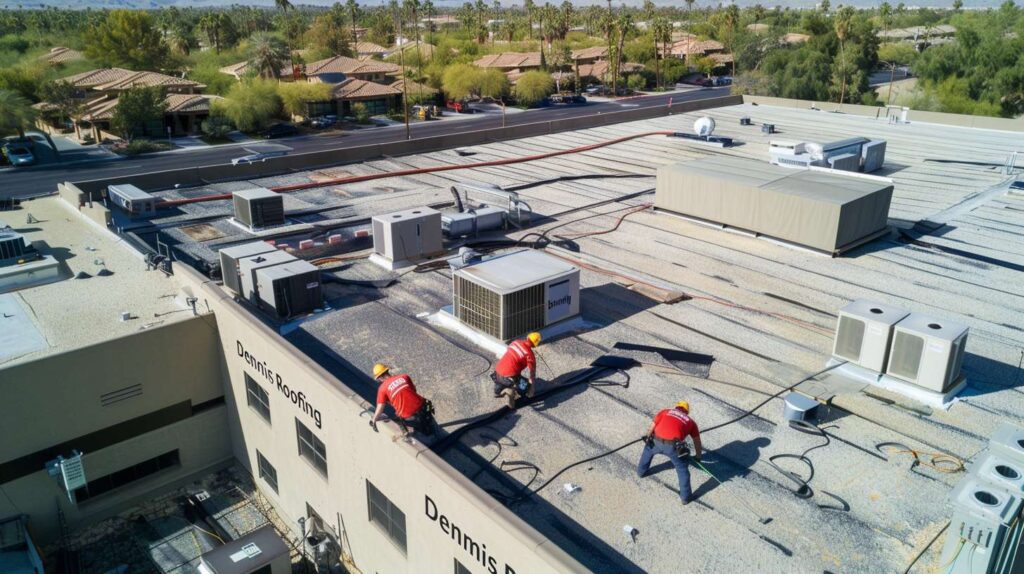
Commercial Shingle Roofing Has Different Demands – Make Sure Your Contractor Gets That
After another winter, the last thing a Brooklyn property owner wants is a roofing proposal that reads like the contractor has never managed an occupied building before. Hiring the wrong commercial shingle roofing contractor – one who’s sharp on residential work but fuzzy on sequencing, access, and liability – creates operational problems that start before the first bundle hits the roof. The shingle product is usually the easy part. What separates a capable contractor is how they coordinate everything around it.
Coordination Is the Real Test on a Commercial Shingle Roof
By 8:30 a.m. on a Brooklyn commercial job, you already know whether the day will behave. The first half of a roofing day runs like calling cues in a live production – material drops, access confirmations, pedestrian routing, drain protection checks – and if anyone misses a handoff, everybody in the building notices by noon. That’s my honest opinion, and I’ll stand by it: the best sign of a contractor who knows what they’re doing is what they can explain before lunch, not how long they talk about the shingle brand.
A house reroof and a Brooklyn mixed-use or multi-tenant building are not the same job, and treating them the same way is where things fall apart – I’m Gina Ferraro, and after 17 years handling Brooklyn roofing operations and commercial job coordination, the jobs that go sideways almost always do so because someone applied residential thinking to a commercial building with tenants, storefronts, and shared entrances. Owners should be judging contractors on logistics answers first, product talk second.
Myth vs. Reality: What Owners Get Wrong About Commercial Shingle Roofing
| Myth |
What Actually Matters on a Commercial Job |
| “Shingles are shingles – the crew can just scale up a house process.” |
Occupied commercial buildings require phased sequencing, pedestrian routing, and debris containment that a residential process never accounts for. Scaling up crew size doesn’t scale up planning. |
| “The lowest bid usually means the same scope.” |
Low bids on commercial jobs frequently omit access planning, protection materials, and cleanup protocols. The scope gap shows up on day one, not in the proposal. |
| “Dumpsters and deliveries are just a day-one detail.” |
Staging locations affect tenant parking, trash pickup windows, loading dock access, and pedestrian flow for the entire duration of the project – not just the first morning. |
| “Tenant access can be figured out on site.” |
Routing tenants and pedestrians around active demolition without a pre-planned path creates liability the moment anyone is inconvenienced or injured. “Figuring it out” on site is not a plan. |
| “Cleanup is cosmetic, not operational.” |
Debris in service alleys, drains, and building entrances is an operational and liability issue. End-of-day and mid-day cleanup checkpoints are a core part of the scope, not a bonus courtesy. |
4 Things a Qualified Commercial Shingle Contractor Answers On the Spot
Material Staging Location
Where do bundles land, and does that location conflict with tenant parking, trash pickup, or deliveries already scheduled?
Tenant & Pedestrian Path Plan
How are entrances, rear access points, and sidewalk paths managed from the time the crew arrives through end of day?
Drainage & Debris Protection Method
What specific method is used to keep tear-off debris out of roof drains, rear alleys, and building entrances during active work?
Daily Cleanup Checkpoint Time
Is there a mid-day and end-of-day cleanup confirmation, and who signs off on it before the crew leaves the site?
Before the Tear-Off, Ask How the Building Will Keep Functioning
Access routes and daily business flow
If I asked your contractor where the tenants are supposed to walk at noon, would you get a clear answer? On a Brooklyn mixed-use building, that question isn’t hypothetical – it’s the job. Entrances double as delivery points, rear alleys handle trash pickup on fixed schedules, and loading areas on side streets fill up fast. In neighborhoods like Sunset Park, where storefronts open early and deliveries stack up on 4th and 5th Avenues before 8 a.m., or on Flatbush mixed-use blocks where a rear gate serves both tenants and building services, a contractor who hasn’t thought through pedestrian routing and access timing is going to create a conflict within the first hour. Getting that sorted before work starts isn’t extra credit – it’s minimum competence.
I’ve watched this go sideways before. It was a windy Tuesday in March, a little after 7:15 in the morning, when a superintendent from a mixed-use building in Sunset Park called before I’d finished my coffee because loose wrapper and shingle tabs had blown into the rear service alley overnight. By the time tenants started rolling up their shop gates, everyone was angry and the alley was blocked. The original contractor had treated the whole thing like a residential tear-off with a bigger dumpster – no containment plan, no debris netting, no thought about where the wind goes at night in a Brooklyn alley. That morning made it plain to me: commercial shingle roofing fails in the planning before it fails on the roof.
One August afternoon, around 3:40, I was on speaker with a property manager for a six-unit building near Flatbush while a thunderstorm was moving in. She kept repeating, “But they said shingles are shingles.” And honestly, that phrase had nothing to do with the actual problem – the issue was staging in the wrong location, no drainage protection, zero pedestrian control, and deliveries dropped where tenant parking and trash pickup both needed access. I still remember the backup beeper of a box truck in the background of that call while she put it together that nobody had thought through building operations at all. The shingles were fine. Everything around them was a mess.
Questions That Reveal Whether a Contractor Really Gets Commercial Work
| Ask This |
Strong Contractor Answer Sounds Like |
Weak Contractor Answer Sounds Like |
| How will tenants and pedestrians move safely during work? |
“We’ll mark and confirm the path before the crew starts each morning and adjust it if delivery windows or trash pickup shifts the flow.” |
“We’ll put up cones.” Or no answer at all. |
| When are deliveries arriving, and where do materials land? |
“We’ve confirmed the delivery window doesn’t overlap with morning tenant traffic, and materials are staged at [specific location] that keeps the entrance and alley clear.” |
“Materials come in the morning – we’ll figure out placement when we get there.” |
| Where is the dumpster, and does it conflict with parking or trash pickup? |
“We checked the city permit requirements and coordinated placement so it doesn’t block the building’s scheduled waste pickup or the tenant lot – here’s where it goes.” |
“We’ll put it out front or in the back, wherever there’s room.” |
| What happens if weather forces a stop mid-project? |
“We tarp exposed sections to a specific standard before leaving, document what’s protected, and notify you of the resumption schedule same day.” |
“We’ll cover it up and come back when it clears.” |
⚠ Red Flag: What a Weak Commercial Shingle Proposal Looks Like
If a proposal spends three paragraphs on shingle brand and manufacturer warranty but says nothing specific about any of the following, don’t sign it until those gaps are filled in writing:
- Tenant and pedestrian access management during work hours
- Material staging location and delivery timing relative to building operations
- Roof drain and alley protection method during tear-off
- Mid-day and end-of-day cleanup schedule with a named point of contact
- Who is responsible for maintaining safe pathways around entrances each day
A warranty means nothing if the job disrupts operations, creates liability, or leaves debris where it can’t be.
Watch the First Half of the Day, Not Just the Finished Roof
Here’s the part people don’t love hearing: by late morning on a commercial shingle job, you can already tell whether the crew knows what they’re doing – not from the shingles going down, but from whether debris is contained, drains are protected, entrances are clear, and tasks are being handed off cleanly between teams. If a contractor can’t describe exactly what happens between 7:00 a.m. and 11:30 a.m. – in plain, specific language, not general reassurances – they don’t fully understand commercial shingle work. That’s not a harsh standard. That’s the job.
Could your contractor walk you through 7:00 to 11:30 without bluffing?
What a Competent Commercial Shingle Morning Actually Looks Like
1
Site Access & Protection Setup – Arrival to 7:30 a.m.
Crew confirms access points are clear, perimeter protection is in place, and tarps or netting for debris containment are set before any tear-off begins.
2
Pedestrian Path Confirmation – 7:30 a.m.
All tenant and pedestrian routes are physically confirmed, marked, and adjusted for the day’s conditions – not assumed based on yesterday’s layout.
3
Material Staging Verification – Before First Bundle Moves
Staged materials are confirmed in their planned location, verified not to block alleys, trash access, or tenant parking – before the delivery crew is released.
4
Tear-Off Containment & Drain Protection – Active Work Phase
Roof drains are covered before tear-off starts. Debris chutes, netting, or tarped staging areas catch material before it reaches alleys, sidewalks, or building entrances.
5
Active Cleanup During Work – Ongoing Through Late Morning
Debris is cleared continuously as work progresses – not saved for end of day. Someone on the crew is responsible for the ground throughout the active tear-off, not just when the foreman says so.
6
Late-Morning Status Check – Before Tenant Traffic Shifts
By 11:00-11:30 a.m., a foreman or site lead checks all entrances, confirms drains are still protected, and verifies cleanup is current before the midday increase in pedestrian and delivery traffic.
Brooklyn Buildings Add Liability You Cannot Hand-Wave Away
Why shared entrances, daycare hours, and service alleys change the job
Bluntly, a commercial roof is not just a house roof with more squares. An occupied building comes with shared entrances that can’t be blocked, noise windows tied to business hours, service alleys that handle trash pickup and deliveries on fixed schedules, and liability that follows every square foot of active work. If roofing debris falls near a building entrance during peak foot traffic, that’s not a cleanup inconvenience – that’s a liability event. If a dumpster placement conflicts with a tenant’s delivery slot, someone’s business day breaks down. The contractor’s job is to anticipate those conflicts before they happen, not manage them after the fact.
A pastor from a church property in Bensonhurst once walked our team around the building at 6:30 in the evening because weekday roofing couldn’t interrupt daycare drop-off in the morning or food pantry hours in the early afternoon. The previous bid he’d received was cheaper, and the contractor seemed competent enough – until he asked basic questions about sequencing, which entrance would stay clear during which hours, and how cleanup would be confirmed before families arrived. No real answers. The bid fell apart on operations, not price. That walkthrough reminded me that commercial shingle roofing isn’t just a materials and labor calculation – it has people, schedules, and genuine liability attached to every square foot. A contractor who hasn’t thought about those things before showing up to measure isn’t ready for the job.
House-Roof Thinking
- Proposal focuses almost entirely on price per square and shingle brand
- Crew timing is vague – “we’ll be there in the morning”
- Cleanup promise is generic – “we leave the site clean”
- No tenant routing plan – access is worked out on site
- No mention of drain protection or debris containment methods
Commercial-Shingle Thinking
- Proposal includes phasing plan with timeline tied to building operations
- Access map provided – entrances, paths, and restricted zones identified
- Loading and dumpster placement confirmed against tenant and trash schedule
- Cleanup intervals documented – mid-day and end-of-day with named contact
- Occupied-building safeguards spelled out before the contract is signed
Put These Site-Control Items in the Scope
▶ Entrance Management Plan
Specify which entrances remain open, which are restricted during active tear-off, how tenants are notified in advance, and who is responsible for maintaining clear access each workday. Don’t accept a verbal promise here – get the plan in the scope.
▶ Debris Containment Method
The scope should name the specific containment method – chutes, tarps, netting – and confirm it includes roof drain covers during tear-off. Alleys, sidewalks, and building perimeters should be addressed by name, not covered with a general cleanup clause.
▶ Weather Contingency Protocol
If weather forces a stop mid-project, what is the tarp standard, who confirms it before leaving the site, and how quickly will you receive written notification of the new schedule? That protocol belongs in the contract, not in a “we’ll handle it” conversation.
▶ Delivery Windows
Delivery timing for materials and dumpster placement should be confirmed against the building’s existing trash pickup schedule, tenant hours, and parking availability – written into the scope so there’s a record if conflicts arise.
▶ End-of-Day Cleanup Signoff
A named crew lead or foreman confirms at the end of each workday that entrances are clear, alleys are swept, and drains are still protected. That signoff – and who performs it – should be documented in the scope before work begins.
Choose the Contractor Who Can Run the Day Without Making the Building Suffer
It works a lot like calling cues in a live show – miss one entrance and suddenly everybody notices. Deliveries land in the wrong spot, a tenant can’t reach the back gate, debris sits in the alley past noon, and an inspector shows up while the drain cover is still buried. The right commercial shingle roofing contractor gives you clear operational answers before the first bundle moves, not after the first complaint comes in. That’s the standard. Dennis Roofing builds proposals around how the building functions, not just what goes on the roof.
Before You Call: 8 Things to Verify About Any Commercial Shingle Contractor
-
Occupied-building experience: Can they name specific commercial or mixed-use projects – not just residential jobs that happened to be large?
-
Access plan: Do they have a clear, specific plan for tenant and pedestrian routing – written, not verbal?
-
Delivery and dumpster plan: Has placement been confirmed against trash pickup schedules, tenant parking, and delivery access?
-
Drain protection plan: Do they specify how roof drains and alley drainage are protected during tear-off?
-
Cleanup schedule: Are mid-day and end-of-day cleanup checkpoints named in the scope with a responsible crew member identified?
-
Weather contingency: Is there a written protocol for what happens when weather forces a mid-project stop?
-
Point of contact during workday: Is there one named person reachable during work hours – not a general company number?
-
Proposal reflects building operations: Does the written proposal address access, staging, tenant safety, and cleanup – or does it only cover materials, labor, and warranty?
Common Questions About Commercial Shingle Roofing in Brooklyn
Can a residential roofer handle a small apartment or mixed-use roof?
Maybe – but only if they can clearly answer questions about access, staging, debris containment, and occupied-building operations. The size of the roof isn’t the test. The planning is. A contractor who’s sharp on single-family homes but can’t explain pedestrian routing or cleanup timing on a building with tenants is the wrong fit, regardless of how well they know the shingle product.
Does commercial shingle roofing always cost more?
Not necessarily in terms of materials, but the scope on a commercial job should include access planning, containment, and operations protection that a residential proposal doesn’t. If two bids are far apart in price, the lower one almost certainly left those items out. Getting a cheap number that generates operational disruption, complaints, or liability isn’t actually cheaper.
What should be in the proposal besides materials and warranty?
At minimum: staging and delivery location, tenant and pedestrian access plan, drain and debris protection method, cleanup schedule with named checkpoints, weather contingency protocol, and a named point of contact during workday hours. If the proposal doesn’t address those items, ask for them in writing before signing – or take it as a signal that the contractor hasn’t done this kind of work seriously before.
How do we keep tenants and entrances usable during the work?
A qualified contractor identifies which entrances stay open and which are restricted during active tear-off, marks tenant paths before work begins each morning, and adjusts routing if delivery timing or trash pickup shifts the picture. Tenant-facing communication – written notices, timing, and who to call with concerns – should be part of the pre-job planning, not an afterthought once the crew is already on the roof.
If you want a commercial shingle roofing contractor who can explain the workday start to finish, protect how your building operates while the job runs, and hand you a proposal that covers more than materials – call Dennis Roofing. We work in Brooklyn because we know Brooklyn, and we’re ready to answer the operations questions before you ever have to ask twice.