
Asphalt Shingles Are Only as Good as the Contractor Installing Them – Choose Accordingly
You want the truth, the shingle brand matters less than most homeowners think – and the installer matters more than they realize. Asphalt shingles only perform the way they’re supposed to when the full roof system underneath and around them is installed correctly, and that part has nothing to do with what’s printed on the wrapper.
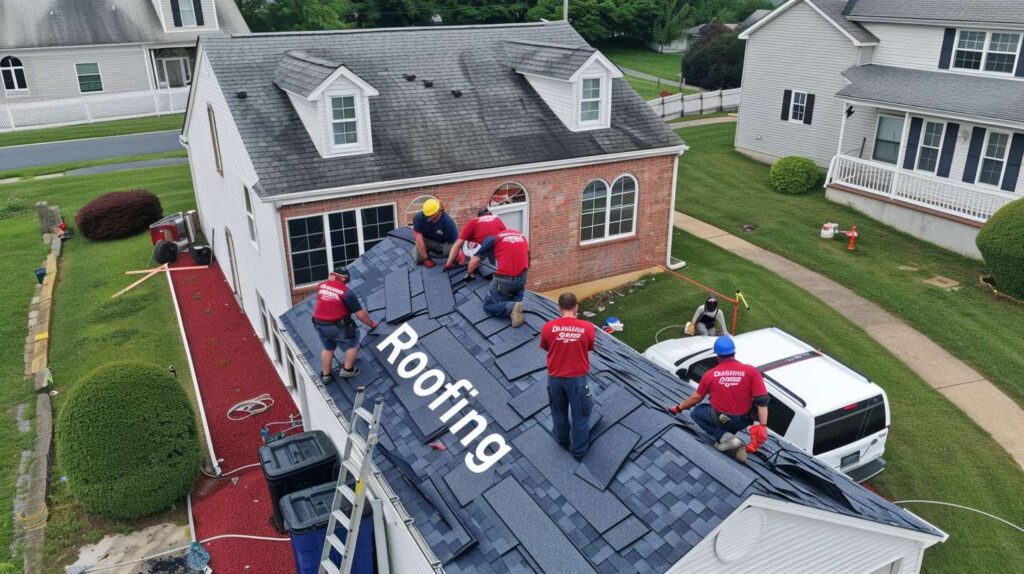
Brand Names Do Not Rescue Careless Installation
Seventeen years of this, and here’s what I can tell you: one misplaced nail, one skipped starter detail, one lazy valley cut – and it doesn’t matter if those shingles came in a gold box. The roof is a system. Every component depends on the one next to it being set right, and when a crew rushes or cuts corners, the whole system pays for it within a few years. Not the installer. You.
I’m Brett Callahan, and I’ve spent 17 years in roofing – most of it diagnosing asphalt shingle installation failures on Brooklyn homes – and my honest opinion is this: paying for premium shingles without paying for disciplined installation is like buying an expensive machine and skipping the assembly instructions. The machine doesn’t work right, and nobody blames the machine. I remember a freezing January morning in Bay Ridge, maybe 7:15, still dark enough that the porch light was doing all the work. A homeowner swore the shingles had to be defective – they were only a few years old. But when I got up there, the starter strip was wrong on the rake edge and half the nailing pattern looked like somebody was trying to beat the weather. That was one of those jobs where the material got blamed for an installer’s impatience. Sounds good, except the shingles were fine. The person who set them wasn’t.
| Myth | Reality on a Brooklyn Roof |
|---|---|
| “The best shingle brand guarantees a long roof life.” | Shingle quality sets a ceiling – but installation determines whether you ever reach it. Starter alignment, nail placement in the manufacturer’s zone, and proper flashing work decide longevity far more than the brand name. |
| “If the roof is only a few years old, the shingles must be defective.” | Early failure almost always traces back to install errors – high nails, wrong starter strips, or skipped flashing – not material defects. Manufacturers will confirm this when the warranty claim comes in. |
| “Architectural shingles hide installation mistakes.” | Thicker shingles don’t cover up high-nailed tabs, improper valley setups, or ventilation problems. They just cost more when the roof fails and needs replacing again. |
| “More caulk means better waterproofing.” | Caulk is a finishing touch, not a structural solution. Relying on it instead of proper flashing work around chimneys, valleys, and pipe boots is how roofs develop slow, invisible leaks. |
| “Any roofer who installs shingles can install them correctly.” | Laying shingles flat is the easy part. Getting the nailing accuracy, ventilation layout, and flashing details right requires training and discipline. Those are two very different skill sets. |
⚠ What Happens When a Crew Treats Shingles Like Surface Material
- High nails: Tabs aren’t locked down properly – wind gets underneath, blow-offs happen, and your warranty is void before the first hard winter.
- Wrong starter placement: No proper seal at the eave edge means the first course lifts and water finds the deck on the first real rainstorm.
- Lazy valley cuts: Open valleys cut by eye instead of chalk line allow water channeling under the shingles – usually shows up as a stain on the ceiling you can’t explain.
- Bad vent flashing: Pipe boots cut with dull snips or sealed with caulk instead of a proper boot-and-seal method become leak points within 1-3 years.
- Blocked or mismatched ventilation: Inadequate exhaust or intake causes heat and moisture buildup in the attic, warping the deck and shortening shingle life by years.
Where Brooklyn Roofs Usually Fail First
The Boring Details That Decide Whether the Roof Lasts
On a Brooklyn row house, the mistakes hide in the boring parts. Not the big visible shingle field – the starter courses, the rake edges, the valleys, the pipe boots, the chimney step flashing, and whatever passes for attic airflow between two walls that share a party structure. Brooklyn’s attached homes and tight rooflines are their own challenge. When you’re working on a row of connected buildings near something like Atlantic Avenue or on a block in Flatbush where every house has had three owners and two patchwork renovations, the ventilation path is almost never what it looks like from the outside. Hidden soffits, blocked ridge areas, and mismatched mechanical work from previous contractors all stack up – and the new asphalt shingle roof takes the blame for problems that were baked in before the first bundle even got opened.
What a Trained Eye Notices From the Sidewalk
Let me ask you something nobody asks soon enough: before you called three roofing companies and started comparing bids, did you look at the roof from the street and ask yourself who actually laid it out? Who cut those valleys, who set that flashing, who thought about whether the ridge vent and the soffit actually work together? If the weak points are all in the details, why would you shop only by brand?
Here’s a straight question before you look at the table below: how much do you actually know about what your contractor is planning to do between the drip edge and the ridge cap?
| Installation Point | What Bad Workmanship Looks Like | Likely Result |
|---|---|---|
| Starter Strip | Wrong product used, installed too far from edge, or rake edge skipped entirely | Eave and rake tabs lift in wind; water wicks under first course within 1-2 years |
| Nail Placement | Nails driven above the manufacturer’s nail line (“high nailing”) or at random angles | Tabs not sealed to course below – blow-offs in the first major windstorm, warranty voided |
| Valley Setup | Cut by eye without chalk lines, woven valley done carelessly, or open metal valley clipped short | Channeling water under shingle edges; interior ceiling stains develop within 2-3 years |
| Pipe Vent Flashing | Boot cut roughly, sealed with caulk instead of proper boot collar, or shingle layered over flange incorrectly | Active leak at the penetration point within 1-3 years, often blamed on the pipe itself |
| Ridge Ventilation | Ridge vent installed without cutting the deck slot, or wrong net free area matched to soffit intake | Heat and moisture buildup; deck warping, shingle granule loss, and reduced roof life of 5-8 years |
| Shingle Overhang / Drip Edge | Overhang too much or too little at eave; drip edge installed over underlayment at eave instead of under it | Fascia and soffit rot; water bypasses the drip edge and runs directly onto the wood framing |
Sidewalk-Level Clues You Can Spot Before Climbing a Ladder
- ❌ Uneven rooflines – wavy or sagging ridgelines suggest deck issues or a nailing pattern that let the field shift over time
- ✅ Consistent shingle exposure – each course should be the same depth, end to end; inconsistency across rows means the layout wasn’t snapped with chalk lines
- ❌ Awkward vent placement – vents crammed into random locations or blocked by a neighbor’s parapet are a sign nobody calculated the ventilation balance
- ✅ Clean, straight edge lines – drip edge and rake edges should be crisp and aligned; jagged or lifted edges at the perimeter are a red flag from the ground
- ❌ Waviness near valleys – buckled or lifted shingles flanking a valley usually mean the cuts were sloppy or the valley flashing wasn’t set flat before shingling
- ❌ Patchy ridge cap appearance – ridge caps that look mismatched, uneven, or end abruptly before the hip means the finish work wasn’t given serious attention – and the rest of the job probably wasn’t either
Here’s the blunt version. One August afternoon in Brooklyn, full sticky heat, I met a landlord who kept saying he bought “the best architectural shingle on the market,” like the brand alone should’ve protected him. I pulled up three tabs near a valley and found nails driven too high – almost like the crew aimed by memory instead of the manufacturer’s nail line. I still remember him going quiet because he finally understood: he didn’t buy a roof system. He bought bundles and a bad installation. Sounds good, except premium shingles don’t self-install. The person swinging the nail gun decides whether that roof lasts 15 years or 6.
Choosing a Contractor Like You Are Hiring Someone to Build a System
I once stood on a roof in Bensonhurst thinking, this is going to leak by winter. Top-floor tenant had pots lined up across the hallway from the last rain. The shingles themselves were decent – not great, but decent. But the flashing around a plumbing vent looked like somebody cut it with dull snips and decided caulk would become a permanent building material. That visit stuck with me because it proved the same thing I tell people now: the weak point is almost never the shingle. It’s the human being who installed the surrounding details. Here’s the insider tip I give every customer before they sign anything – ask any asphalt shingle roofing contractor you’re considering to explain, in plain English, how they handle starter strips, what valley method they use, how they set pipe flashings, and how they balance intake and exhaust ventilation on an attached Brooklyn home. If they can’t answer those questions directly without pivoting to brand names or vague promises, walk away.
A roof install is a lot like rebuilding a machine with one bad bolt. Everything looks fine until it doesn’t – and when it stops working, the bad bolt is always the one somebody said wasn’t worth worrying about. Skipped flashing details and high nails are the bad bolts of roofing. Nobody photographs them. Nobody puts them in the proposal. And they’re the exact reason roofs that should last 25 years start leaking in year four. The system doesn’t fail all at once. It fails at the small point everyone decided to rush past.
Before You Call a Contractor – Verify These 7 Things
- Manufacturer install method: Ask which shingle line they’re proposing and confirm they follow that manufacturer’s installation specifications – nail zone, exposure, starter type.
- License and insurance proof: Get it in writing before a single conversation goes further. NY State contractor licensing and general liability coverage, current and verified.
- Who handles flashing details: Find out if the lead installer handles chimneys, valleys, and pipe boots or if it’s handed off to a subcontractor who’s never been on the job before.
- Ventilation plan: They should be able to tell you the square footage of intake vs. exhaust being calculated for your specific attic – not a generic answer about “good airflow.”
- Cleanup and magnet sweep: Confirm they do a full magnetic sweep of the yard and driveway after tear-off. One roofing nail in a tire costs more than the five minutes it takes to sweep.
- Written scope naming accessories: The contract should list underlayment type, starter product, drip edge material, and ridge vent spec by name – not just “standard materials.”
- Photo documentation during install: Ask if they photograph the decking, flashing, and underlayment before shingles go down. A contractor who won’t document the work has a reason not to.
Low-Bid Shortcut Approach
- Vague scope – “tear off and replace with architectural shingles”
- No ventilation discussion at any point in the process
- Generic material promises without product names
- Rushed crew language: “we can start Monday, done by Tuesday”
- No mention of flashing type, starter product, or underlayment spec
- Price drops when you hesitate – always a bad sign
System-First Contractor Approach
- Line-item scope naming every accessory and product
- Ventilation calculations discussed before the bid is written
- Flashing specifics covered: step, counter, pipe boot, valley method
- Nail pattern and starter type explained without being asked
- Neighborhood references from comparable Brooklyn home types
- Willing to walk you through the install sequence before work begins
Questions That Expose Whether the Crew Knows What They Are Doing
A real professional answers detail questions directly – no pivoting to brand names, no vague reassurances, no “don’t worry, we’ve done hundreds of these.” This part right here is where the whole story changes. The contractor who stumbles when you ask about nail placement or goes quiet when you bring up ventilation balance is telling you everything you need to know before the first shingle goes down. Ask the questions. Listen to the answers. The quality of the answer is the preview of the quality of the work.
5 Questions to Ask Any Asphalt Shingle Roofing Contractor Before You Sign
If you want an asphalt shingle roofing contractor in Brooklyn, NY who explains every one of those details instead of hiding behind a brand name, call Dennis Roofing. We don’t sell shingles. We install roof systems – and there’s a real difference between the two.