
Want a Metal Roof Estimate You Can Actually Trust? Here’s How We Do It
What a dependable number has to show before price matters
Bottom line: a metal roof estimate is only trustworthy if it accounts for access, tear-off conditions, edge details, and substrate repairs before anyone talks about price. If those four things aren’t showing up on the page, what you’re holding isn’t an estimate – it’s a guess with a dollar sign on it, and this article will show you exactly how to tell the difference on a Brooklyn roof.
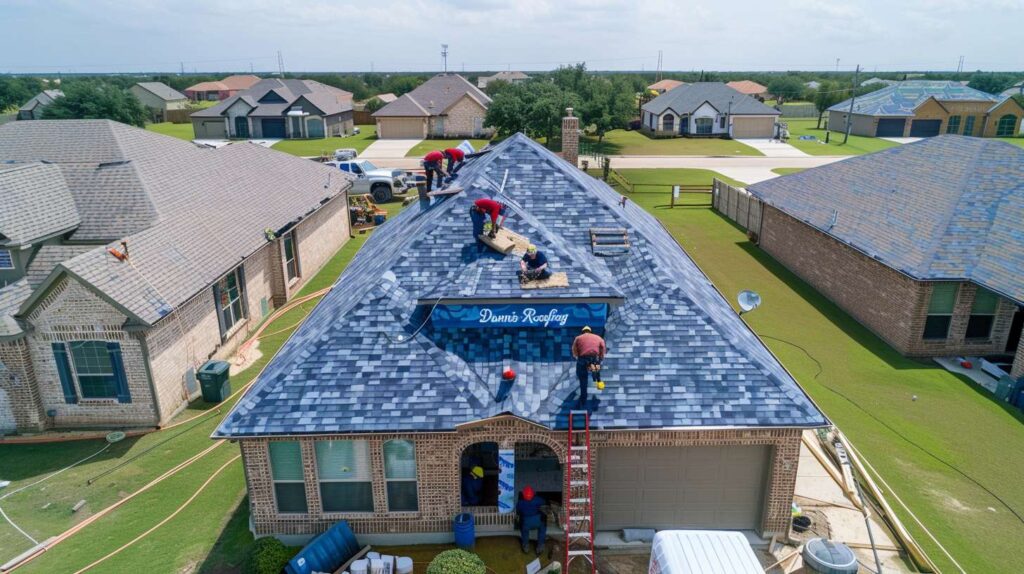
Seventeen years of this, and I still look at the edges first. An estimate either holds its lines or it starts drifting – and it almost always drifts where the trim, parapets, chimneys, and transitions were quietly ignored. I’ve seen proposals that look clean and confident right up until the crew shows up and discovers the chimney saddle was never in the scope. Honestly, I’d rather hand someone a higher, honest number than a neat low one that falls apart on contact with the actual roof.
Quick Facts: What This Article Helps You Verify
Best Use
Comparing detailed estimates – not phone ballparks
Biggest Price Swing
Hidden deck repair and access logistics
Most Overlooked Line Item
Edge metal and flashing detail labor
Local Context
Attached Brooklyn homes often complicate staging and tear-off
A Trustworthy Estimate Should Visibly Include All of These
- ✅ Roof measurements by section – not just a single square footage total
- ✅ Access and staging plan – how material gets up and waste gets down
- ✅ Tear-off scope and layer count – number of existing layers being removed
- ✅ Flashing and trim details – chimneys, parapets, edges, and transitions called out specifically
- ✅ Decking allowance or repair note – an acknowledgment that substrate condition may affect cost
- ✅ Cleanup and disposal description – who handles debris and how
Where clean-looking quotes usually leave the page blank
Here’s the part most estimates glide right past. Access, staging, and material handling in Brooklyn can shift labor costs more than most homeowners expect – and not by a little. I’m Marcus Webb, a Senior Roofing Estimator with 17 years of experience and a specialty in catching hidden cost drivers on metal roof estimate services for older Brooklyn homes, and I can tell you that the labor section is where tidy proposals quietly unravel. I remember being on a Park Slope estimate at 7:15 in the morning, coffee still too hot to drink, when the owner handed me two cheaper quotes and said, “Can you just match these?” Both of them skipped the rear slope access problem entirely, and one didn’t mention the rusted decking near the skylight at all. That was one of those moments where I had to explain that a trustworthy number is supposed to survive contact with the actual roof.
Access changes labor before panels ever arrive
If I asked you one thing before pricing your roof, it’d be this: how is my crew getting material up there? Brooklyn row houses, attached homes with no side clearance, rear-yard setups with a locked gate, parapets that prevent standard staging, and occupied buildings where a dumpster can’t sit on the sidewalk for a week – all of it changes the estimate before a single panel gets cut. Now zoom in with me: one awkward rear slope, one chimney path that forces a second lift point, one narrow alley between you and your neighbor – any of those adds real hours to the job, and an estimate that doesn’t name them hasn’t done the work yet.
If the estimate can’t explain how the roof gets loaded, it hasn’t really been drawn yet.
| Line Item | What a Vague Quote Says | What a Real Estimate Should Specify | What Happens If Omitted |
|---|---|---|---|
| Access / Staging | “Standard setup included” | Named access point, lift method, staging location | Change orders issued on Day 1 when crew arrives |
| Layer Count / Tear-Off | “Remove existing roofing” | Number of layers confirmed, disposal method noted | Surprise labor and dump fees added mid-job |
| Chimney Flashing | “Flashing as needed” | Saddle, counter-flashing, base flashing, and step detail all called out | Leak at chimney base within 1-2 seasons |
| Skylight Detail | Not mentioned | Curb condition noted, flashing method specified | Water infiltration and deck rot around curb |
| Edge Metal / Parapet Caps | “Edge trim included” | Cap dimensions, metal gauge, and parapet height specified | Upcharge for custom fabrication, or improper fit |
| Substrate / Decking Repair | Not mentioned | Allowance noted or condition flagged pending tear-off | Work stops on-site pending new approval and cost |
⚠ Warning: Three Red Flags in a Low Estimate
- Price given from satellite only – no one set foot on your roof, which means anything they couldn’t see from Google Earth wasn’t priced.
- No mention of access or disposal – if those two line items are absent, the number almost certainly goes up once the truck arrives.
- No note about deck condition or flashing detail – a clean proposal that skips these isn’t thorough; it’s incomplete, and the difference lands in a change order.
Why old repairs and hidden layers bend the final figure
On a brownstone off Prospect Place, I learned this the expensive way. The roof looked manageable from the street – modest pitch, one chimney, no skylights – but once we got into the tear-off, the previous patchwork repairs had created a surface that wasn’t square in two different directions. Old shims, a reframed low corner, and two generations of self-adhering patches had each been applied to the problem instead of correcting it. That’s when the estimate stops holding its lines. When the underlying structure has drifted out of square, every piece of trim and every panel section has to be cut to fit the actual condition, not the theoretical one – and that takes more time than even a careful estimate can fully predict without seeing what’s under there.
Blunt truth: a low number with missing line items is not a deal. A few winters back, I was measuring a metal reroof in Bay Ridge while freezing rain kept tapping on my clipboard, and the homeowner was convinced every contractor was padding labor. Then I showed him photos from the previous patchwork repairs around the chimney saddle and pointed out how metal trim details eat real time when the old structure is out of square – each piece of cap metal has to be bent to match, not cut from a standard run. He called me two days later and said ours was the first estimate that sounded like someone had actually been up there. That’s the bar. Don’t skip asking every estimator to show you photos of the penetrations, edges, and any area they expect to repair – so you can see what they’re pricing, not just hear a total.
How to pressure-test the estimate before you sign anything
A roof estimate works like a shop drawing – if one corner is off, the whole thing drifts. You don’t need to become a roofer to read a proposal, but you do need to test whether it stays consistent when you start pulling at the details. Ask about the rear access, ask what happens if the decking is soft, ask how the chimney saddle is getting handled – and watch whether the answers match what’s already written on the page. If the contractor hesitates or the proposal suddenly needs “clarification,” that’s not a communication problem. That’s the estimate telling you it wasn’t finished.
Questions that force the sketch to stay honest
Here’s what I’d want in front of me at the table. I once met a landlord in Bed-Stuy just before dusk who wanted a “ballpark” over the phone for a tenant-occupied building with three layers already on the roof. When I got up there, the curb around an old vent hood had been wrapped so badly it looked homemade – layers of tar, fabric, and someone’s best guess – and there were measurements no satellite image would ever get right. That story isn’t unusual; it’s Tuesday in Brooklyn. Metal roof estimate services should feel explained section by section, with each part of the roof accounted for before a total appears – not sold to you as one number while the details wait for the job site to reveal them.
Before You Call: What to Gather First
The more you bring to the conversation, the more accurate the estimate will be from the first visit.
- Approximate roof age – even a rough decade helps frame what’s likely underneath
- Known leak spots – where and when they show up, not just that they exist
- Photos of chimney, skylight, and edges – if it’s safe to take them, bring them
- Whether the building is occupied – tenant presence changes staging and scheduling options
- Number of existing layers – if you know, or a guess if you don’t
- Access limitations – narrow side yard, locked rear gate, shared driveway, neighboring property
- Any prior repair invoices – knowing what was patched tells us where to look harder
Questions Skeptical Homeowners Ask About Metal Roof Estimates
Can you price a metal roof from Google Earth alone?
You can get a rough square footage – and that’s about it. Satellite images don’t show layer count, deck condition, parapet height, chimney saddle condition, or how a crew is getting up there. A number built entirely from overhead imagery hasn’t accounted for the things that actually move the price.
Why does access change labor so much in Brooklyn?
Brooklyn’s attached housing stock means many roofs have zero side clearance. Material has to come through the building, over a fence, or hand-carried through a narrow rear yard – all of which adds crew hours. A job that takes half a day to load on an open suburban lot can take double that on a typical Flatbush or Carroll Gardens row house.
What if you find bad decking after tear-off?
Any honest estimate should include an allowance line or a flagged note that substrate repair is possible pending tear-off – with a per-sheet rate so you’re not surprised. If an estimate makes no mention of decking condition at all, you’re likely getting a change order the moment the panels come off.
Why are flashing details a separate discussion from panel price?
Panel price is relatively predictable once you have square footage. Flashing labor isn’t – it depends on how many penetrations you have, how complex the chimney situation is, whether the parapet cap needs custom-bent metal, and what condition the existing transitions are in. Bundling flashing into a single line item is how contractors keep the quote looking clean while leaving the real cost vague.
How do I compare two estimates that use different wording?
Line them up side by side and look for what’s missing, not just what’s written. If one says “flashing as needed” and the other names every chimney and parapet separately, those aren’t two versions of the same price – they’re two different scopes. The one with less detail isn’t cheaper; it’s just incomplete.
Ready for an estimate that holds its lines?
Call Dennis Roofing and schedule a site visit where we walk your roof section by section – access, tear-off, flashing, decking, all of it – with no missing line items hiding behind a low total.