
Cedar Roof Repairs Need a Careful Hand – Here’s How We Handle Them
Fast-looking fixes are usually the start of the real problem
Odd. The worst cedar roof repair services failures I’ve seen didn’t come from neglect – they came from someone trying to make the job look finished fast instead of making the wood behave correctly. Cedar isn’t asphalt. It isn’t generic shingle stock you can muscle into place and seal over. It clicks when it’s dry, shifts when it swells, and if you know how to pay attention, it tells you exactly where the last bad repair is hiding – sometimes years before the next leak shows up.
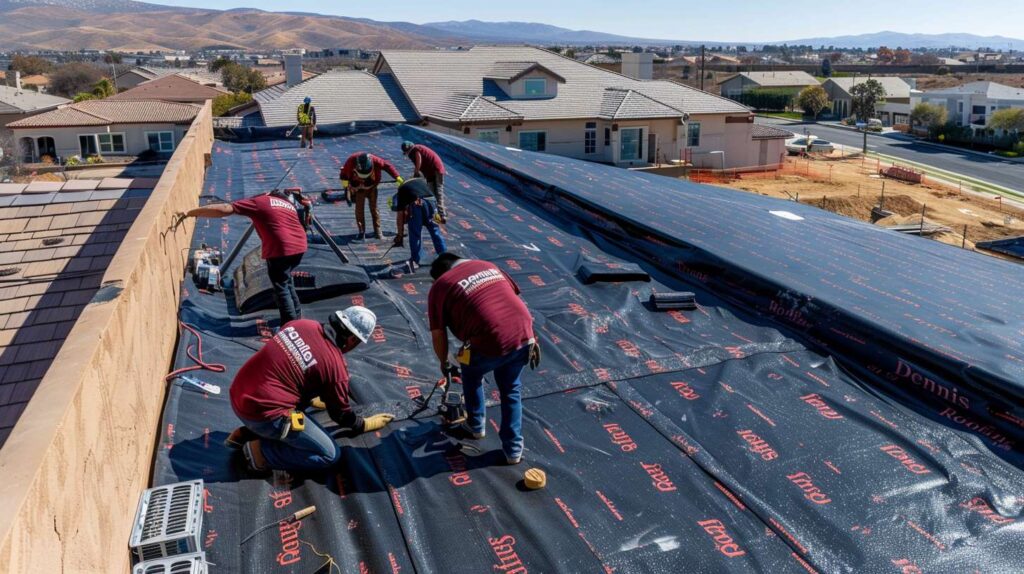
Two nails in the wrong place can ruin a cedar repair faster than a missing shingle. Covering the visible damage isn’t the repair – it’s the setup for the next call. Nail placement, spacing, exposure height, and drainage behavior decide whether the work holds through a Brooklyn winter or opens up again by March. The roof doesn’t care how neat the new shake looks from the sidewalk on Atlantic Avenue. It cares whether water has somewhere to go.
| Myth | What actually happens on cedar |
|---|---|
| If the leak stain is here, the roof damage is directly above it | Water travels sideways under split or low-nailed cedar shakes and can travel several feet before it finds a penetration point. The stain is a clue, not a compass. |
| Any cedar shake of similar size will work | Thickness, taper, grain orientation, and weathering stage all affect how a replacement piece sits and ages. A close-but-wrong shake will cup, gap, or split at a different rate than the surrounding course. |
| Roof cement adds protection under cedar | Roof cement traps moisture against the wood and prevents the natural drainage cedar relies on. Over time it accelerates rot at the very spot it was meant to protect. |
| More nails make the repair safer | Cedar splits under over-nailing. Extra fasteners restrict the natural expansion and contraction the wood needs – which creates cracking along the nail line, especially through a freeze-thaw cycle. |
| If it looks neat from the street, the repair is fine | Hidden failure lives underneath. Misaligned exposure, trapped water at the butt end, and improperly seated shakes can all look presentable for one season before opening up under the next round of weather. |
⚠ Shortcuts That Permanently Worsen Cedar Damage
- Low nailing: Driving nails below the overlap zone exposes the fastener to weather and prevents the upper course from holding the shake flat.
- Face-nailing exposed edges: Without the correct method, face nails split the butt edge and create entry points for water at the most vulnerable part of the shake.
- Smearing roof cement under shakes: This blocks drainage, traps moisture, and accelerates wood decay – the repair looks done, but the rot clock has started.
- Forcing mismatched replacement pieces: A shake that’s too thick or too thin will sit proud or recessed, disrupting drainage across the entire surrounding course.
- Patching over cracked sections without checking adjacent courses: Cracked cedar rarely fails alone. Skipping the surrounding inspection almost guarantees a callback within one to two seasons.
What we listen for before we pull a single shake
Leak path does not equal stain location
I learned this on a damp Brooklyn morning, not from a textbook. It was 6:40 a.m. on a sticky August day in Park Slope, and the homeowner kept pointing at the ceiling stain like the damaged cedar had to be sitting right above the mark. It wasn’t. The leak had been traveling sideways under two split shakes where somebody had driven nails too low years before – and that’s exactly why I, Stephanie Chu, after 17 years handling cedar trouble spots and corrective cedar repair work, start above and around the symptom, not right on top of it. The wood had been telling that story for seasons. Nobody had listened.
If I ask you where the stain showed up first, I’m not making small talk. On Brooklyn rowhouses, brownstones, and dormer roofs, water doesn’t travel in polite straight lines. Wind-driven rain near parapets, party-wall transitions, and the particular way water loads up against chimneys on the south-facing slopes in this borough – all of it means a stain in the second bedroom could trace back to a split shake three feet uphill and two feet sideways. The building shape matters. The wind pattern matters. The age of the assembly matters.
Cedar rarely fails alone – the surrounding pieces usually tell on the damaged one first.
Matching the wood matters more than filling the hole
Here’s the blunt truth: cedar hates being hurried. One February afternoon in Bay Ridge, I was repairing a cedar slope while sleet kept needling across the roof, and a retired piano teacher stood in her yard below asking wonderfully precise questions – the kind you only get from someone who understands what it means for material to have character. I pulled three replacement shakes from a previous contractor’s pile and showed her how each one had aged at a completely different rate. The repaired area already looked wrong. It was starting to cup because the contractor had gone with close enough instead of correct. Thickness, grain direction, weathering stage, and exposure height all interact – and when any one of them is off, the new piece doesn’t just look mismatched. It behaves mismatched, which is a more expensive problem.
On a roof hook, in a pouch, and in my hand – I want three replacement pieces before I touch the damaged area. And honestly, that habit came from enough bad examples to make it instinct. Comparing candidates on the roof itself, side by side, checking taper against taper and running a thumb along the grain – that’s how you find the right one. One-piece certainty is a mistake. Cedar from the same bundle can vary enough in thickness and taper to matter when it’s sitting in a course for the next fifteen years. You don’t know which piece is right until you’ve looked at the others.
| Repair Factor | What We Compare On Site | Why It Matters | What Goes Wrong If Ignored |
|---|---|---|---|
| Shake thickness | Measured against neighboring shakes using a gauge, not guessed | Determines how the butt seats in the course and how water sheds off the face | Proud or recessed seating disrupts drainage and creates a gap or pressure point in adjacent pieces |
| Taper consistency | Checked tip to butt against the original course angle | Taper affects how flat the shake lies and how the nailing plane sits | Wrong taper creates a rocking shake that never fully seals and invites uplift in wind |
| Weathering stage | Visual match against surface texture and silver-gray tone of surrounding wood | New cedar contracts and expands differently than aged cedar, especially in the first two seasons | A visually obvious patch that moves at a different rate can open small gaps before the wood stabilizes |
| Grain orientation | Vertical grain preferred; checked against split or flat-sawn identification | Vertical grain shakes resist cupping and surface erosion far longer under freeze-thaw conditions | Flat-sawn replacement in a vertical-grain course cups within two to three seasons |
| Exposure height | Measured from the butt line of the course above to confirm the existing exposure pattern | Exposure controls how much face the shake shows and how the headlap protects against water infiltration | Over- or under-exposed replacement reduces effective headlap and creates a weak point in the water barrier |
Brooklyn conditions change the repair plan more than people expect
Why one neighborhood roof ages differently from another
That sounds logical, but cedar doesn’t work that way – and Brooklyn proves it every season. Coastal air influence from the harbor pushes salt moisture into shakes on Bay Ridge roofs in a way that Park Slope’s inland brownstone slopes simply don’t experience. Windsor Terrace rowhouses often have tight rear-yard spacing that keeps the back slope shaded through most of the morning, slowing the dry cycle and holding moisture longer than the street-facing pitch. Older framing movement in century-old structures shifts the deck plane gradually, which changes how shakes seat over time. Wind patterns around parapets and chimneys vary block by block. You can have two cedar roofs installed in the same decade, three miles apart, aging completely differently because of shade, salt air exposure, drainage geometry, and the specific way wind loads onto that building’s profile.
I had a call in Windsor Terrace from a landlord who needed something done before a Sunday open house, and when I got up there just before sunset, the roof had roof cement smeared under cracked cedar like someone had iced a cake with motor oil. We had to undo the shortcut before we could do the actual repair – pull the cemented area, clean the deck, let it breathe, and then start correct. And honestly, I still think about that job when someone asks why careful cedar roof repair services cost more than an hour of guesswork with a caulk gun. My personal opinion, stated plainly: the most expensive cedar repair is the one done twice because someone prioritized speed over how the wood actually moves. Dennis Roofing doesn’t operate that way, and the roofs we’ve touched in this borough reflect that.
Questions homeowners ask when they want the repair done once
Cedar is like a musician with perfect pitch; it reacts to tiny changes most people never notice. That’s why the right questions to ask any roofer before work starts are about matching, nailing, what gets inspected before anything is removed, and what neighboring shakes are going to do once the damaged piece comes out. If you’re getting a quote that doesn’t mention any of that, you’re getting a patch quote – not a repair quote.
Can you repair just one cedar section or does the whole roof need work?
Why can’t you just seal the crack?
Will the new cedar match right away?
How do you know whether the leak is from the cedar or the flashing?
What should I avoid doing before the roofer arrives?
If a cedar section on your Brooklyn roof is leaking, splitting, cupping, or carrying the marks of a rushed prior repair, call Dennis Roofing for cedar roof repair services that are matched to your wood, inspected properly, and done without hurrying what the material won’t allow you to rush.